
Americans traveling to the United Kingdom are discovering a peculiar new accommodation option that sounds like something out of a Gothic novel. Imagine settling down for the night beneath centuries-old wooden angels carved into vaulted ceilings, surrounded by stained glass windows that filter moonlight into kaleidoscope patterns across stone floors. Now add camp beds, battery-powered candles, and the complete absence of other guests. This is champing, and it represents one of the most unusual lodging trends to emerge in recent years.
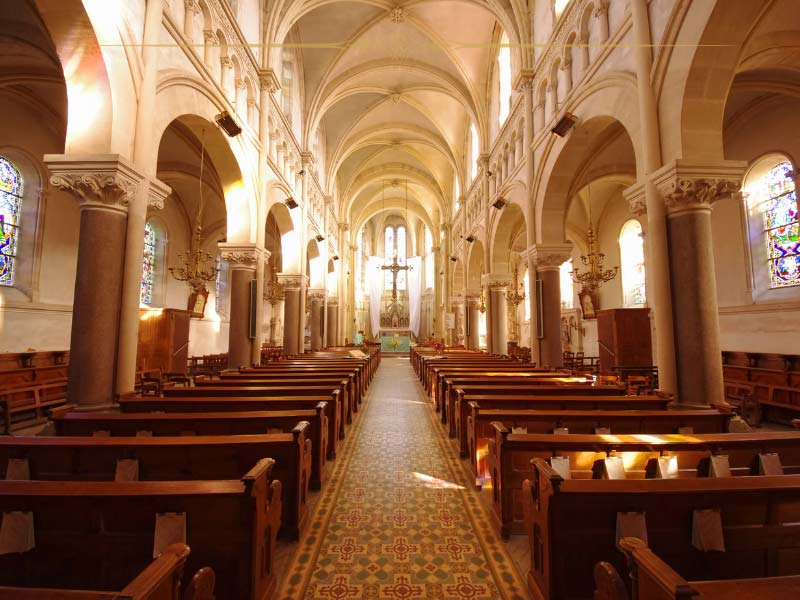
The portmanteau blends church and camping into a single word that describes exactly what it promises: spending the night inside a historic house of worship. But these aren’t your typical weekend camping trips involving tents, mosquitoes, and questionable weather. These are fully enclosed stone buildings that have stood for hundreds of years, offering exclusive access to architecture that predates the founding of the United States by several centuries.
The Birth of an Unusual Idea
The concept emerged from necessity rather than novelty. Across England and Wales, hundreds of historic churches face an uncertain future. Once vibrant centers of community life, many have seen their congregations dwindle to the point where regular services became unsustainable. The buildings themselves, often listed as protected historic structures, require constant maintenance and significant funding to prevent deterioration.
The Churches Conservation Trust, a charitable organization responsible for protecting more than three hundred at-risk religious buildings throughout England, launched the champing program in 2015. Their pilot location was All Saints Church in the village of Aldwincle, located in Northamptonshire. The medieval structure, which had been without regular worship services for seventy years, became the testing ground for whether people would actually pay to sleep in a decommissioned church.
The answer turned out to be a resounding yes. That initial experiment proved so successful that the program expanded steadily, adding new locations each year. Since the program began, more than ten thousand people have spent nights in these sacred spaces, generating crucial revenue for building preservation while introducing visitors to architectural treasures they might otherwise never experience.
What Awaits Inside
Walking into one of these churches for an overnight stay presents an immediate sensory disconnect. Your brain expects pews filled with worshippers, hymns echoing off stone walls, perhaps the scent of incense lingering in the air. Instead, you find camp beds arranged beneath soaring arches, folding chairs positioned near the altar, and fairy lights strung between medieval pillars. It’s simultaneously familiar and utterly foreign, like stumbling into a parallel universe where sacred spaces double as sleeping quarters.
The setup varies from location to location, but certain elements remain consistent across all participating churches. Each site provides camp beds as the primary sleeping arrangement. These aren’t luxurious mattresses, and guests should adjust their expectations accordingly. The experience prioritizes atmosphere and history over physical comfort, though many participants report sleeping surprisingly well in these tranquil environments.
Basic amenities include facilities for making hot beverages. Tea, coffee, and sometimes hot chocolate are provided, along with the necessary equipment to brew them. Some locations offer access to electricity, allowing guests to charge devices and use small appliances. Others operate completely off-grid, requiring visitors to rely on the provided lanterns and any flashlights they bring along. This variability adds to the adventure, as each church presents its own unique challenges and charms.
The bathroom situation depends heavily on which property you book. Some churches feature traditional flushing toilets, often in small rooms added during more recent renovations. Others provide composting or solar-powered eco-toilets housed in separate structures, typically positioned in the churchyard. This means late-night bathroom trips might involve navigating past gravestones by lantern light, an experience that either adds to the Gothic atmosphere or serves as a reality check about comfort levels, depending on your perspective.
Showering isn’t an option at any of the locations. The buildings lack the plumbing infrastructure for bathing facilities, which means champing works best as a one-night experience or for travelers who don’t mind skipping their usual hygiene routines. Some guests embrace this as part of roughing it, while others plan their champing stays strategically, booking nights between hotel stays where proper showers are available.
The Temperature Reality
Here’s something that surprises many first-time champers: churches get cold. Really cold. These buildings were designed for large gatherings of people whose collective body heat would warm the space. They feature thick stone walls, high ceilings, and often limited insulation. When you’re one of a handful of people trying to sleep in thousands of square feet of open space, the temperature drops significantly, especially at night.
This thermal reality explains why the champing season typically runs from spring through fall. Most participating churches offer bookings between March and October, with only a handful available year-round. Even during summer months, temperatures inside can feel surprisingly chilly once the sun sets. Experienced champers advise dressing in layers and bringing more blankets than seem necessary. The stone floors radiate cold, and that massive vaulted ceiling, however architecturally impressive, does nothing to retain warmth.
Heating these spaces would require enormous energy expenditure and could potentially damage historic elements. So instead of fighting the temperature, champers are encouraged to come prepared. Think of it less like staying in a hotel and more like camping inside a stone fortress. Hot water bottles become cherished companions, and that evening cup of tea serves a practical purpose beyond mere tradition.
Food and Drink Logistics
One significant restriction applies across all champing locations: cooking is prohibited inside the churches. Open flames, hot plates, camping stoves, and any other heat-generating cooking equipment are forbidden. This makes sense from a fire safety perspective, given that many of these buildings contain irreplaceable wooden elements, centuries-old textiles, and priceless artifacts. The last thing anyone wants is for a camping stove mishap to destroy a structure that survived the English Civil War or the Blitz.
However, champers aren’t expected to go hungry. Most locations allow guests to bring cold foods, snacks, and pre-prepared meals that don’t require heating. Picnic-style dining becomes the norm, with cheese, bread, fruit, and other room-temperature options making up the menu. Some properties even provide corkscrews and bottle openers, tacitly acknowledging that many guests enjoy wine or beer as part of their evening.
For those wanting hot meals, local arrangements fill the gap. Many champing churches sit in or near villages with traditional pubs serving dinner. Some locations can arrange breakfast delivery from nearby cafes or bakeries, bringing fresh pastries and hot beverages to the church door in the morning. This integration with local businesses represents a deliberate effort to ensure that champing benefits the surrounding community, not just the churches themselves.
The ban on cooking also extends to coffee makers beyond the basic kettles provided. Travelers accustomed to elaborate morning coffee routines should adjust expectations or plan to visit a local coffee shop. Part of the champing philosophy involves embracing simplicity and disconnecting from the usual conveniences of modern life.
Who Can Join the Experience
Champing accommodations operate on an exclusive hire basis. When you book a church, you get the entire building to yourself. There’s no sharing with strangers, no dividing the space with other groups. This privacy represents one of the program’s most appealing features. Whether you’re a solo traveler, a couple seeking a romantic getaway, or a family looking for an unusual adventure, you won’t have to worry about disturbing other guests or being disturbed by them.
The minimum and maximum group sizes vary by location. Some smaller chapels accommodate as few as two people, while larger churches can sleep sixteen or more. This flexibility makes champing suitable for different occasions. Groups of friends have used churches for reunion weekends. Families have booked them for multi-generational gatherings. Some couples have even chosen churches as unusual wedding venues, with guests camping overnight after the ceremony.
Children are welcome at all locations, though parents should consider whether their kids will find the experience exciting or unsettling. For adventurous children who enjoy exploring historic spaces and can handle the lack of modern entertainment, champing offers incredible educational opportunities. They can run through naves that echo their footsteps, examine centuries-old stone carvings up close, and sleep beneath stained glass windows depicting biblical scenes. For children who need constant stimulation or feel uncomfortable in unfamiliar environments, a night in a dark, cold church might prove more challenging than enjoyable.
Dogs receive particularly warm welcomes in the champing program. Up to two well-behaved dogs can stay free of charge at most locations. Three small dogs might be accommodated at some churches. This pet-friendly policy recognizes that many travelers prefer not to leave their furry companions behind, and dogs often enhance the camping experience. Just imagine a loyal hound curled up on a medieval stone floor, keeping watch as shadows play across ancient walls. The only requirement is that the animals remain well-behaved and respect the historic environment.
Locations Across the British Landscape
The champing network spans much of England and extends into Wales, covering a geographic range that includes everything from remote rural parishes to churches within easy reach of major tourist destinations. Each participating church offers its own distinct character, architectural style, and surrounding landscape.
In the north, Cumbria provides access to Lake District scenery, with churches tucked into valleys where mountain views dominate the horizon. Lancashire locations put champers within striking distance of moorland walks and traditional mill towns. Yorkshire offerings range from churches in pastoral countryside to those near historic market towns.
Moving south and west, Shropshire and Herefordshire churches sit amid some of England’s most picturesque rural landscapes, where rolling hills give way to river valleys and ancient woodlands. The Welsh island of Anglesey provides coastal champing opportunities, with one church offering views toward Snowdonia’s distant peaks.
Eastern England contributes several locations across Norfolk and Essex, regions known for flint churches, vast skies, and connections to Anglo-Saxon history. The south offers churches in Somerset, Devon, Wiltshire, and Sussex, each representing different periods of ecclesiastical architecture and regional building styles.
Some churches sit in tiny hamlets with populations measured in dozens. Others occupy villages with more substantial infrastructure, including shops, restaurants, and public transportation links. This variety means champers can choose between near-total isolation and locations that balance tranquility with convenient access to amenities.
The Historical Weight of Centuries
Every champing location comes with its own story, and many of these narratives stretch back five hundred years or more. Walking into these buildings means stepping into spaces where countless generations gathered for baptisms, weddings, funerals, and weekly worship. The walls witnessed historical events that shaped nations, from religious reformations to civil wars, from plague years to industrial revolutions.
Architectural details reveal these layers of history. Norman arches speak to construction in the immediate aftermath of 1066. Gothic windows mark later medieval expansions when communities prospered and felt compelled to glorify God through increasingly elaborate stonework. Victorian renovations reflect the nineteenth-century enthusiasm for restoring and sometimes reimagining medieval spaces.
Many churches retain original medieval elements despite centuries of use and modification. Stone fonts where infants were baptized six hundred years ago still stand near entrances. Wooden screens carved by craftsmen whose names are lost to history divide naves from chancels. Wall paintings, once covered by Protestant whitewash, have been carefully uncovered by conservators, revealing scenes that medieval parishioners would recognize instantly.
This immersion in history distinguishes champing from virtually every other accommodation option. Hotels might occupy historic buildings, but they’ve been modified to provide modern comfort. Traditional camping connects you with nature but offers no sense of human history. Champing sits at a unique intersection, providing shelter within structures that embody centuries of cultural and religious heritage.
The Practical Realities
Booking a champing stay requires planning ahead. These aren’t spur-of-the-moment accommodations you can reserve the night before arrival. Popular locations and prime summer weekends fill up months in advance. The booking process typically involves browsing available churches on the program’s website, checking availability calendars, and reserving dates with a deposit.
Prices vary depending on the church, the season, and the size of your group. Expect to pay between forty and sixty pounds per adult per night, with children often charged at reduced rates. While this represents a higher cost than pitching a tent in a campground, it’s considerably less expensive than hotel rooms in many tourist areas. The exclusive use factor means you’re essentially renting an entire building, which can make the per-person cost quite reasonable for larger groups.
Bedding presents an important decision point. Some champers prefer to bring their own sleeping bags, blankets, and pillows. Others opt to hire bedding packages for an additional fee. The hire option provides convenience, especially for travelers arriving by public transportation who don’t want to haul bulky bedding. However, bringing your own gear ensures you have exactly the warmth and comfort level you prefer.
Arrival times are typically late afternoon or early evening, giving champers time to settle in before darkness falls. Some locations provide orientation meetings where local volunteers explain the building’s history, point out features of interest, and answer questions about facilities. Others simply provide keys and let guests explore independently.
Checkout usually occurs mid-morning, giving champers time to pack up and potentially attend a local church service elsewhere if they wish. Despite the overnight stay in a church building, no religious observances are expected or required. These are secular accommodations in sacred spaces, allowing people of all faiths or none to experience the architecture without any pressure regarding beliefs.
The Sound of Silence
One aspect of champing that guests consistently mention is the profound quiet. Modern life bombards us with constant noise: traffic, televisions, phones buzzing, neighbors moving about, heating systems humming, refrigerators clicking on and off. We’ve become so accustomed to this sonic backdrop that true silence feels almost unnatural.
Church buildings, particularly those in rural locations, offer something increasingly rare: genuine quiet. The thick stone walls block external sounds. The absence of mechanical systems means no background hum. Even in villages, nighttime brings stillness that urban dwellers rarely experience. This silence can feel overwhelming at first, even slightly unsettling. Your ears strain for familiar sounds that simply aren’t there.
But for many champers, this quiet becomes the most memorable part of the experience. It creates space for reflection, conversation, or simply being present in the moment. Some describe it as meditative, regardless of their religious beliefs. Others find it restores a sense of calm that’s hard to achieve in everyday life. A few admit the silence proved too intense, making them grateful for background noise when they returned to conventional lodging.
The acoustics in churches also create interesting sound experiences. Voices echo in unexpected ways. Footsteps on stone floors create rhythmic patterns. Even breathing seems amplified in the vast open spaces. These sonic qualities can make ordinary activities feel dramatic, as if every movement carries more weight and significance than it would in a normal room.
Morning Light Through Stained Glass
Waking up in a church offers rewards that justify the cold night and uncomfortable bed. As dawn breaks, light filters through stained glass windows, painting the interior with colors that change as the sun rises. What appeared as dark, shadowy spaces at night transform into glowing chambers where reds, blues, greens, and golds dance across stone floors and whitewashed walls.
Many champers report that this morning light show becomes their favorite moment of the entire experience. It’s a daily occurrence that local congregations once took for granted but that modern visitors find magical. Lying in bed and watching patterns shift across medieval architecture as the sun climbs higher provides a connection to countless previous occupants who witnessed the same phenomenon over centuries.
Some churches feature particularly spectacular windows. Victorian-era stained glass can be extraordinarily detailed, depicting biblical scenes with technical skill that rivals any painting. Earlier medieval windows, though sometimes simpler in design, achieve remarkable effects through the quality of their colored glass and the artist’s understanding of how light would interact with the shapes they created.
Photography during these morning hours often produces the most striking images from champing stays. The combination of natural light, historic architecture, and unusual perspective creates photos that capture the experience in ways words struggle to convey. Social media posts from champers frequently focus on these dawn moments, sharing the chromatic spectacle with friends and family who might never have considered sleeping in a church before.
Why Americans Are Taking Notice
For United States travelers, champing represents something entirely foreign to the American experience. The concept of historic churches being repurposed for overnight accommodation has no real equivalent back home. American churches that close typically get demolished or converted into entirely different types of buildings: restaurants, apartments, community centers. The idea of preserving them essentially unchanged while allowing public overnight access doesn’t fit into typical American approaches to real estate or historic preservation.
This novelty factor makes champing particularly appealing to Americans visiting Britain. It offers an experience that can’t be replicated anywhere in the United States, adding unique value to a trip abroad. Travelers who’ve already visited London’s major attractions, explored Scottish castles, and walked Hadrian’s Wall find in champing something genuinely different from the standard tourist circuit.
The historic depth available through champing also resonates with Americans. The United States, by European standards, is a young country. Buildings from the 1700s qualify as remarkably old in American terms. Churches from the 1200s or 1300s, which are relatively common in the champing portfolio, represent a level of antiquity that simply doesn’t exist in most American contexts. Sleeping in a structure that was already ancient when Christopher Columbus sailed provides a tangible connection to vast spans of human history.
Americans planning to try champing should be aware that booking from abroad requires some advance work. The reservation system operates through UK-based websites, and communication about arrival details, key collection, and logistics happens primarily through email. Time zone differences can slow response times to questions. Payment typically goes through British banking systems, which may involve currency exchange fees depending on your credit card terms.
The Conservation Mission
Every night spent champing contributes directly to preserving the buildings that provide the accommodation. Revenue from overnight stays helps fund ongoing maintenance, from roof repairs that prevent water damage to masonry work that stabilizes crumbling stonework. Without these income streams, many participating churches would face uncertain futures, potentially leading to permanent closure or even demolition.
The Churches Conservation Trust operates as a charity rather than a commercial entity, meaning profit isn’t the primary goal. Instead, champing serves as one strategy among many for ensuring these buildings survive for future generations. Traditional funding sources, including government grants and private donations, remain important, but they’re not always sufficient to cover the enormous costs of maintaining hundreds of medieval structures.
By participating in champing, guests become active contributors to cultural preservation. The experience transforms from simple tourism into something more meaningful: helping protect irreplaceable pieces of architectural and religious heritage. For travelers who value sustainable and responsible tourism, this mission adds depth to what might otherwise be just another quirky accommodation choice.
The trust also emphasizes employment benefits. Managing champing sites requires local coordinators, cleaners, volunteers who greet guests and explain building history, and businesses that provide breakfast and other services. This creates economic activity in rural communities that often struggle with population decline and limited employment opportunities. The money tourists spend during champing visits doesn’t just disappear into corporate coffers; it circulates through small villages, supporting local pubs, shops, and service providers.
What Champing Isn’t
Setting realistic expectations matters enormously for enjoying champing. This is emphatically not glamping, despite the similar-sounding name. There’s nothing glamorous about sleeping on a camp bed in an unheated stone building with no shower access. People booking champing stays while imagining luxury camping setups with comfortable mattresses, mood lighting, and spa-like bathrooms will face significant disappointment.
Similarly, champing isn’t a religious retreat or spiritual pilgrimage, though it certainly can be if that’s what participants want. The program welcomes people of all faith backgrounds and none. No religious activities are scheduled or expected. The buildings provide the setting, but guests create their own meaning for the experience, whether that’s historical appreciation, architectural study, family bonding, romantic escape, or simple novelty-seeking.
Champing also doesn’t offer the comforts of a bed and breakfast or country inn. There’s no one preparing meals, fluffing pillows, or offering recommendations for local attractions. Once you collect your keys and enter the church, you’re essentially on your own until checkout. This independence appeals to some people but can feel isolating to others who prefer more structured hospitality.
The experience skews toward people who enjoy camping, history, and architecture. If you hate sleeping anywhere besides a proper bed, feel uncomfortable in old buildings, or need climate control to sleep well, champing probably isn’t for you. There’s no shame in recognizing that certain travel experiences don’t match your preferences or comfort needs. Better to acknowledge that before paying for something you won’t enjoy than to tough it out miserably and resent the entire concept.
The Future of Church Camping
As champing enters its second decade, the program continues evolving. More churches join the network each year as word spreads about the initiative’s success. Some locations that initially offered only seasonal access now provide year-round bookings after installing heating or improving insulation. Others experiment with additional services, from yoga sessions in medieval naves to storytelling evenings that bring local history to life.
The concept has also inspired similar initiatives elsewhere. While most champing occurs in England and Wales, conversations have begun about whether the model could work in other countries with aging church infrastructure. Scotland, Ireland, and parts of continental Europe face similar challenges with maintaining historic religious buildings as congregations shrink. Could champing offer solutions beyond British borders?
In the United States, the concept remains largely unknown, partly because American approaches to church buildings differ fundamentally from British traditions. When American churches close, they typically get sold to developers who either demolish them or convert them so thoroughly that little of the original religious character remains. The idea of keeping them essentially as churches while allowing overnight camping doesn’t align with American real estate markets or preservation philosophies.
However, a few American properties have begun experimenting with church-based lodging. These typically involve much more substantial conversions than British champing, adding full kitchens, proper beds, climate control, and other amenities. They’re really vacation rentals that happen to occupy former churches rather than true champing in the British sense. The rustic simplicity that defines authentic champing has proven difficult to replicate in American contexts where comfort expectations run higher.
Whether champing remains a distinctly British phenomenon or eventually spreads more widely depends on many factors: public interest, regulatory frameworks, preservation priorities, and cultural attitudes toward historic buildings. For now, it represents something travelers must visit Britain to experience, adding to its appeal as a unique travel opportunity that can’t be easily copied or found elsewhere.
The churches themselves will continue standing long after current travel trends fade. They’ve already survived centuries of change, from religious reformations to industrial revolutions, from world wars to digital ages. Whether future generations will sleep among their stone pillars and beneath their vaulted ceilings remains to be seen. But for travelers today, champing offers a chance to write themselves into these buildings’ long histories, spending nights in spaces where centuries converge and modern comfort takes a back seat to architectural wonder and historical immersion.