
My first trip trip Turkey didn’t happen. It was planned with a friend who bailed a couple of weeks before and because the trip would have been a packaged holiday, I had to cancel it. It took me 10 years to finally re-do that trip and visit Istanbul for the first time. And wow, what a surprise!
Turkey straddles two continents, several millennia of history, and more landscapes than most countries twice its size. I loved my time in Istanbul, which fascinated me with its culture, food and chaos, but also loved relaxing on a stunning beach at the Mediterranean Sea, in Antalya. Turkey is a massive country that offers something for everyone. This Turkey travel guide covers the essentials of your first trip to Turkey, so here is what you need to know before you land here.
Best Time to Visit Turkey
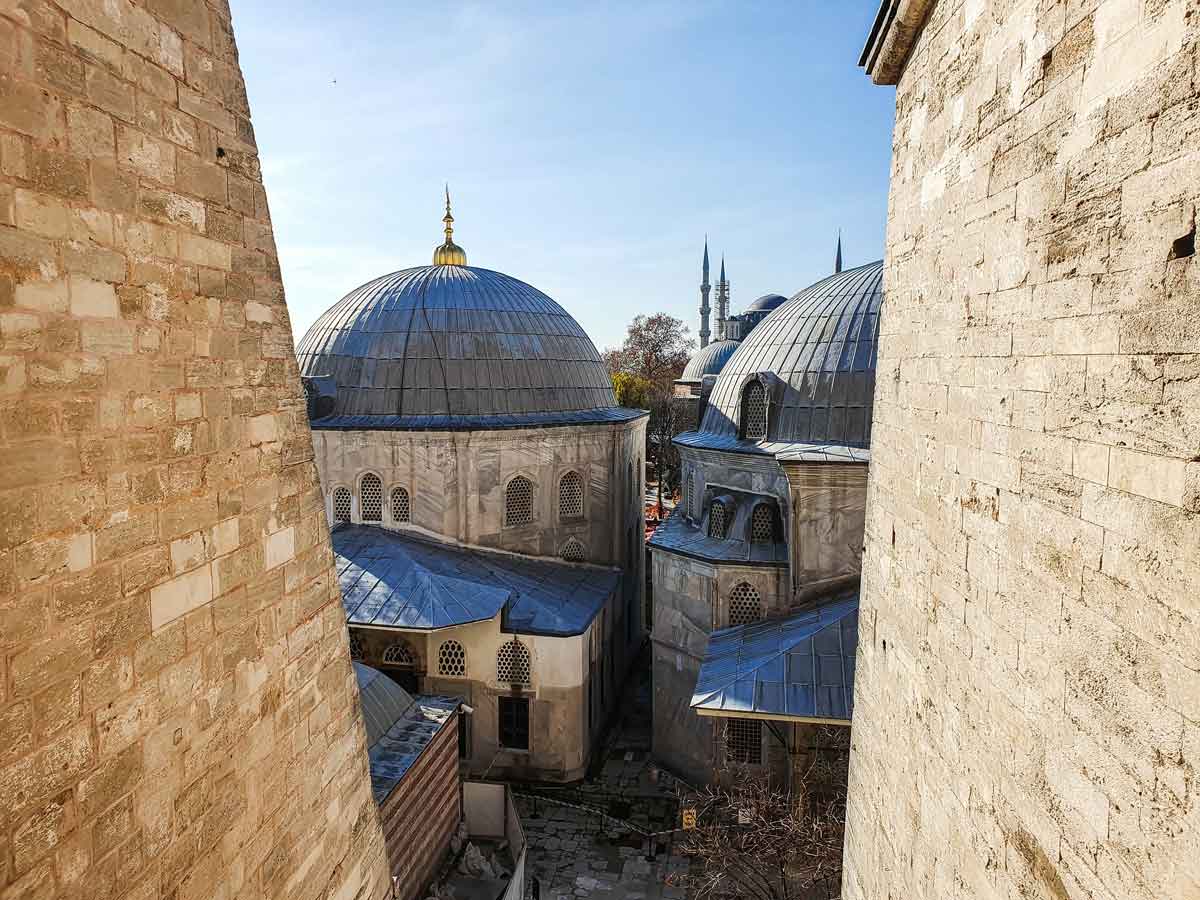
The best time to visit Turkey depends on what you want to do. The country spans a diverse range of climates, from the mild Mediterranean coast to the harsh winters of the eastern highlands.
For most first-time visitors, the sweet spot falls between April and June or September and October. Temperatures along the Aegean coast hover between 18 and 28 degrees Celsius (64 to 82 degrees Fahrenheit), crowds are manageable, and prices sit below peak levels.
Why You Might Avoid the Summer Months
The summer months bring scorching heat across central Anatolia. Temperatures in Cappadocia can exceed 35 degrees Celsius (95 degrees Fahrenheit), making it harder to enjoy archaeological sites and ancient ruins. Tourist areas fill up and prices rise accordingly.
Travelling the Off Season
The off season, November through March, has its own appeal. Istanbul is atmospheric in winter and you will have major cities largely to yourself. Having said that, some coastal resorts close entirely and weather in eastern Turkey can be prohibitive.
E-Visa and Entry Requirements
Most visitors from the UK need an e-visa to enter Turkey. You apply online, pay the fee (around 50 US dollars for British passport holders), and receive it by email within minutes.
Key E-Visa Details
The e-visa allows a stay of up to 90 days within a 180-day period. Your passport must be valid for at least six months beyond your entry date. Turkish immigration officers rarely ask for more than a passport and a printout. If you intend to stay beyond 90 days, you will need a residence permit from the local immigration office, but for a standard holiday the e-visa is all you need to enter Turkey.
Turkey Itinerary Ideas

Turkey is roughly 1,600 kilometres (1,000 miles) from Istanbul to the eastern border. You will make a mistake if you are trying to cram too much into your first trip to Turkey, and I would not recommend it.
One Week in Turkey
Spend three days in Istanbul, two in Cappadocia (fly to Kayseri), and two along the coast in Antalya or Fethiye. This turkey itinerary covers the cultural highlights and coastline without feeling rushed.
Two Weeks in Turkey
Four days in Istanbul, three in Cappadocia, four along the Turquoise Coast (Fethiye, Oludeniz, Kas), finishing at Ephesus and the Aegean coast. This turkey itinerary balances major cities with quieter rural areas.
Istanbul Highlights

The Blue Mosque, the Hagia Sophia, and the Topkapi Palace are all within walking distance in Sultanahmet. The Grand Bazaar, with over 4,000 shops, is overwhelming in the best way. I got hopelessly lost within the first ten minutes and somehow ended up buying a lamp I had no room for in my suitcase. A short walk away, the Egyptian Spice Bazaar is smaller but arguably more atmospheric, its stalls overflowing with spices and Turkish delight.
If time allows, take the ferry to Kadikoy on the Asian side. I spent an afternoon there on my last trip, sitting at a waterfront cafe with a glass of cay, watching the ferries cross the Bosphorus. The city sits across two continents, and from Kadikoy you really feel it.
Cappadocia and the Fairy Chimneys
Cappadocia is a natural wonder. Thousands of cone-shaped fairy chimneys carved by volcanic eruptions and erosion. The region is famous for its hot air balloons, and I woke up at 5am to watch them from the terrace of my cave hotel. Seeing them rise over the valleys as the sun came up was one of those moments that stays with you. A hot air balloon ride costs between 150 and 250 euros and lasts about an hour. Book in advance, especially during peak season.
The Goreme Open Air Museum is a UNESCO-listed complex of rock-cut churches with well-preserved frescoes. Staying in a cave hotel is part of the experience, with prices from around 60 to 150 pounds per night.
The Turquoise Coast and Aegean Coast

The Turquoise Coast, from Antalya to Fethiye, is lined with hidden gems: secluded coves, Lycian ruins, and small harbour towns. Fethiye is an excellent base, Kas is quieter, and Antalya has a beautifully preserved old town. Further north, the Aegean coast offers Bodrum and the ancient ruins at Ephesus.
Eastern Turkey
Eastern Turkey is well off the beaten path. Gaziantep is the country’s food capital, and the ruined city of Ani near Kars sees remarkably few visitors. That said, public transport between smaller towns is infrequent and English is less widely spoken than in tourist areas.
Getting Around Turkey
Public Transport in Major Cities
Public transport in Istanbul is excellent. The Istanbulkart covers trams, metro, and ferries, and a single journey costs around 15 Turkish lira (roughly 45 pence), which is dirt cheap by European standards. In rural areas, dolmus (shared minibuses) run fixed routes.
Domestic Flights
Domestic flights connect Istanbul to Cappadocia, Antalya, and Izmir. Booked early, one-way fares start from £20-£40. If your Turkey itinerary includes both Istanbul and Cappadocia, flying saves a full day.
Road Trip and Intercity Buses
A road trip along the D400 highway between Antalya and Fethiye offers spectacular coastal scenery. Car hire is available in big cities and coastal resorts, but keep in mind that driving in Istanbul is not recommended. The traffic is legendary. For longer distances, Turkey’s intercity bus network is extensive and affordable. Modern coaches depart from the central bus station (otogar) in each town, and overnight services include reclining seats and complimentary tea.
Turkish Cuisine and Street Food

Turkish cuisine draws on Central Asian, Middle Eastern, and Mediterranean influences. Eating well does not require a large budget.
What to Eat
Do not miss pide, lahmacun, manti, and regional kebab variations. Stuffed vine leaves (sarma) appear in many restaurants across the country. The traditional breakfast spread, bread, olives, cheeses, honey, tomatoes, cucumbers, and a fried egg, is one of the most generous morning meals you will find anywhere. I remember my first Turkish breakfast in Sultanahmet and wondering how I was going to finish it all. I did.
Street Food You Should Not Miss
Street food in Turkey is exceptional. In Istanbul, simit sellers are everywhere, and balik ekmek (fish sandwiches) at Eminonu are unmissable. Street vendors sell roasted chestnuts and corn in autumn. Sample Turkish delight from a specialist rather than the mass-produced versions, it is a completely different experience.
Where to Eat

In tourist areas, walk a few streets back from the main thoroughfares to find where locals eat. Many restaurants in Sultanahmet are geared towards visitors and priced accordingly. Look for small shops and lokantas where you can point at pre-prepared dishes behind the glass. I found my favourite lokanta this way, no English menu, no tourists, and a plate of lamb stew with rice for under £3.
Visiting Mosques and Religious Sites

Visiting mosques is an essential part of any trip to Turkey. Most are open to visitors outside of prayer times, and entry is free.
What to Wear When Visiting Mosques
Both men and women should dress modestly. Women must cover their hair, shoulders, and legs, many mosques, including the Blue Mosque, provide headscarves at the entrance. Everyone must remove their shoes.
Key Religious Sites
Beyond the mosques, Turkey has religious sites spanning multiple faiths. The Hagia Sophia, the cave churches of Cappadocia, and the House of the Virgin Mary near Ephesus are all worth visiting.
Tap Water in Turkey
Most locals do not drink tap water and neither should you. Older pipes can introduce contaminants, and in rural areas tap water quality varies. Stick with bottled water or a refillable bottle with a filter.
Common Scams and Safety Tips
Turkey is generally safe for tourists, and violent crime against visitors is rare.
Scams to Watch For
The “friendly local” scam is common in Istanbul. Someone suggests a drink at a nearby bar, and you end up with a bill for several hundred pounds. In the Grand Bazaar, sellers can be persistent, but it is perfectly acceptable to decline and walk away.
Taxi Scams
Always insist that the driver uses the meter and be wary of those claiming it is broken. Using ride-hailing apps reduces this risk entirely.
Is Turkey Safe?
Turkey is generally safe for solo travellers, couples, and families. Major cities and tourist areas are well policed. The southeastern border regions are an exception, check the latest FCDO advice before finalising your turkey itinerary.
Medical Care in Turkey
Medical care in Turkey’s major cities is excellent. Private hospitals such as Acibadem and Memorial have English-speaking staff and modern facilities. A consultation costs between 50 and 150 pounds without insurance. Make sure your travel insurance covers medical treatment and repatriation. Pharmacies (eczane) are plentiful in big cities, and many medications available only on prescription in the UK can be bought over the counter.
The Museum Pass

The museum pass covers entry to state-run museums and archaeological sites including the Topkapi Palace, the Goreme Open Air Museum, and multiple sites at Ephesus. It costs approximately 1,500 Turkish lira (around £43), is valid for 15 days, and pays for itself after two or three visits. It also lets you skip the queue at popular historical sites.
Turkey Travel Tips
Currency and Paying
The Turkish lira has fluctuated considerably in recent years. At the time of writing, one GBP buys approximately 35 lira. Cards are widely accepted in major cities and tourist areas, but in small shops and rural areas cash is still preferred.
Staying Connected
Having reliable mobile data makes a real difference when you are trying to find your way through backstreets or checking the next bus time. Traditional roaming charges add up quickly, and buying a local SIM involves passport registration. A simpler option is to pick up a prepaid travel data for Turkey from Roambit before you leave. The eSIM installs in minutes and works from the moment you land.
What to Pack and Modest Clothing
Light clothing is essential in summer, while layers are necessary for Cappadocia or eastern Turkey outside of the warmer months. Comfortable walking shoes are a must for Istanbul’s cobblestones. While coastal resorts and big cities are relaxed about dress codes, modest clothing is appreciated in conservative areas and when visiting mosques. Carry a lightweight scarf, it comes in handy more often than you think.
Bargaining and Shopping

Bargaining is expected in bazaars, particularly the Grand Bazaar, where the first price is always inflated. Start at around half the asking price.
Sipping Tea
If there is one cultural ritual to embrace, it is tea. Sip tea whenever it is offered, in shops, at the end of meals, and by complete strangers. I lost count of how many glasses I was handed during my first week. Turkish cay comes in small tulip-shaped glasses, strong and with sugar on the side.
Final Thoughts
Whether you are drawn to the street food of Istanbul, the hot air balloons of Cappadocia, or the turquoise waters of the southern coast, Turkey always has more to offer than you expected.
I hope this Turkey travel guide helps you start planning. Turkey tends to bring people back. Your first visit will almost certainly not be your last.
For more similar articles about Turkey, check out my recommendations below:
Like it? Pin it!

Disclaimer: Some of the links on this website are “affiliate links.” This means that if you click on the link and do a purchase, I will receive an affiliate commission at no extra cost for you. This helps me keep my website running and continue to share my travelling knowledge with you. I thank you for booking your flights or hotels using the links on my website. Regardless, I only recommend products or services I use personally and believe will add value to my readers.