
Are you planning a trip to the UK? Are you worried about the high roaming costs and the phone bill you will receive when you get back home? Then continue reading this article, as I’ve written it for you. I know that staying connected whilst travelling has become almost essential. I think that we all find ourselves drawn to the screen of the phone, every… I want to say hour, but I have to admit it’s probably few tens of minutes. I use my phone constantly, to navigate, to book transport tickets and store them, to keep in touch with my family and friends, and even to entertain myself by watching videos, when I’m bored, waiting for my food to arrive at a restaurant. Even if we like it or not, mobile data plays a huge role in how we travel today.
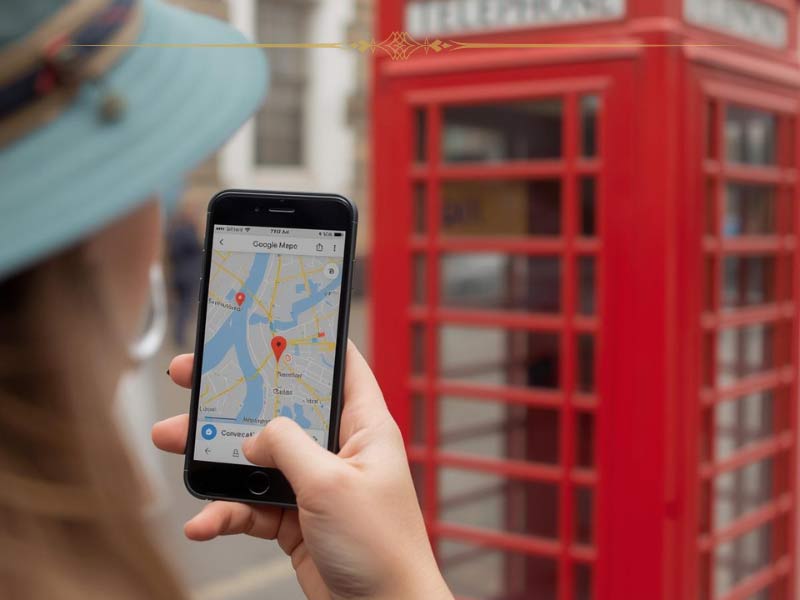
One of the biggest surprises many tourists face when arriving in the UK is the cost of roaming. International roaming charges can quickly add up, and many travellers don’t realise how expensive using their home mobile plan abroad can be until they receive their bill later. Even small things like opening maps or uploading a few photos can consume more data than expected.
The good news is that staying connected in the UK doesn’t have to be complicated or expensive. With the right preparation and a few simple tips, you can access mobile data easily and affordably throughout your trip. In this guide, I’ll share practical advice to help you stay online while travelling in the UK, without breaking the bank.
Why Roaming Charges Can Be So Expensive
If you’re visiting the UK, it’s easy to assume that you can simply keep using your phone as you normally would. Unfortunately, international roaming doesn’t always work that way. Many travellers only realise how expensive it can be after they receive their bill.
Roaming charges appear when your phone connects to a mobile network outside your home country. Instead of using your usual provider’s infrastructure, your operator partners with networks in the country you’re visiting. In the UK, that often means connecting to providers like EE, Vodafone, or O2. While this system makes international connectivity possible, it also means that additional fees can quickly add up.
Over the years living in the UK, I’ve met plenty of visitors who were surprised by how quickly their data disappeared. But also visitors who were paying ridiculous amounts of money a day to their phone provider to keep their data on. It’s not difficult to see why. Travellers tend to rely heavily on their phones while exploring a new destination. And modern travel apps use more data than you might expect. Something as simple as navigating through London with Google Maps, uploading photos to social media, or booking a ride through Uber can quickly consume mobile data.
Another factor is that many people underestimate how often their phone connects to the internet in the background. Automatic app updates, cloud photo backups, and notifications all use data without you necessarily noticing.
For tourists spending several days or weeks in the UK, these small data uses can quickly turn into a surprisingly large roaming bill which is why it’s worth planning ahead before your trip.
How Much Data Do You Actually Use?
One of the biggest mistakes you make when planning your connectivity in the UK is either overestimating or underestimating how much mobile data you actually need. From my experience most of us tend to use more data than they expect especially when relying on our phones for navigation and planning our day on the go.
If you’re visiting cities such as London, Edinburgh or Manchester, chances are you’ll be using apps like Google Maps constantly to find your way around the Underground, check bus routes, or navigate between attractions, maps alone can consume a surprising amount of data throughout the day.
Then there are everyday travel habits that add up quickly: checking restaurant reviews, booking last-minute tickets, messaging friends and family back home, or uploading photos and videos to apps like Instagram and WhatsApp.
Based on what I’ve seen with visitors and friends travelling around the UK, a typical tourist usually uses somewhere between 1GB and 3GB of data per week for normal activities such as maps, browsing, messaging, and occasional social media. If you stream videos, join video calls, or frequently upload content, your usage can easily double.
This is why it’s important to think realistically about your travel habits before choosing a roaming plan or data option. A very small data allowance may seem cheap at first, but running out of data halfway through your trip can quickly turn into an expensive problem.
Best Ways to Stay Connected in the UK
There are several ways you can stay connected while visiting the UK, but not all options are equally convenient or affordable. From my experience living here and helping friends and family plan their trips, the best solution often comes down to how easy it is to set up and how much flexibility it offers during your stay.
Use an eSIM for the UK
For most travellers today, the easiest and most convenient option is using an eSIM. Instead of looking for a shop at the airport or swapping out your physical SIM card, you can activate your data plan digitally before you even land in the UK.
An eSIM works by downloading a mobile data plan directly to your phone. Once activated, you can connect to the local network immediately after arrival, which is incredibly useful when you need directions, transport information, or to message someone right away.
One of the options you can use is Yesim roaming for UK, which offers flexible data plans designed specifically for international visitors. The setup is straightforward and only takes a few minutes, and you can activate your data plan instantly without needing to visit a store.
Another thing I like about this option is that it removes a lot of the stress of figuring out mobile connectivity once you arrive. After a long flight, the last thing you want to do is queue in a shop at the airport trying to sort out a SIM card.
If you decide to try it, you can also use the promo code YESIMWRLDPOCKET10, which gives you 10% off your first purchase.
Buy a Local UK SIM Card
Another option is buying a physical SIM card once you arrive in the UK. Major UK mobile operators like EE, Vodafone, and O2 offer prepaid SIM cards that are relatively easy to find.
You can usually buy them at airports, supermarkets, or small convenience stores. While this can be a good option for longer stays, it does require swapping out your existing SIM card and sometimes registering the number, which can take a bit more time.
Use International Roaming From Your Home Provider
Many travellers simply keep their home SIM card and use international roaming. While this may work for short trips, it’s often the most expensive option by far. You can spend more than what a monthly Esim costs in just one day of roaming.
Depending on your provider, daily roaming charges can quickly add up especially if you are using maps, social media, and messaging apps throughout the day.
Rely on Public WiFi (Not Always Reliable)
Free WiFi is widely available in the UK, especially in cafés, restaurants, and public places. For example, chains like Starbucks or Pret A Manger usually offer free WiFi for customers.
However, relying only on WiFi isn’t always practical when travelling. You won’t always have access when you need it particularly when navigating around cities, checking transport schedules, or ordering a ride.
That’s why having your own mobile data connection makes travelling around the UK much easier and far less stressful.
How to Reduce Data Usage While Travelling in the UK

Even if mobile data in the UK is relatively affordable compared to some other destinations, it’s still a good idea to manage how much data you use.
Download Maps Before You Travel
One of the easiest ways to reduce data usage is downloading maps in advance. Apps like Google Maps allow you to download entire city maps to your phone so you can navigate without constantly using mobile data.
This is incredibly helpful in the UK, especially if you’re planning to explore multiple cities or travel through rural areas where signal may sometimes fluctuate. I always download maps before heading somewhere new as it makes getting around much easier and saves quite a bit of data.
Use WiFi When It’s Available
The UK has plenty of places offering free WiFi, from cafés and restaurants to museums and train stations. If you’re stopping for a coffee or a meal, it’s worth connecting to the available WiFi to upload photos, download emails, or update apps.
Most hotels and holiday apartments also provide reliable WiFi, so this is usually a good moment to back up photos, upload videos, or update your social media without using your mobile data allowance.
Limit Background Data Usage
Many apps continue using data even when you’re not actively using them. Social media platforms, cloud storage services, and email apps often refresh automatically in the background.
Before travelling, it’s worth going into your phone settings and disabling background data for apps that don’t need it. This small adjustment can save a surprising amount of data over the course of a trip. Click here to see how to do it on Android, and here to see how to do it on Iphone.
Download Entertainment in Advance
If you’re planning longer train journeys across the UK downloading entertainment ahead of time can help reduce data usage.
Streaming apps like Netflix or Spotify allow you to download movies, shows, playlists, or podcasts over Wi-Fi before you leave. That way you can enjoy them during your journey without using your mobile data.
Use Messaging Apps Instead of International Calls
Traditional international calls can quickly become expensive. Instead, use messaging apps such as WhatsApp, Telegram, or Messenger to stay in touch with family and friends.
These apps use far less data than standard phone calls and often provide better call quality as well.
Final Tips for Affordable Mobile Data in the UK
Before you travel, a few simple preparations can help you stay connected in the UK without spending more than necessary. These quick tips will ensure your mobile data works smoothly from the moment you arrive.
- Check phone compatibility
Make sure your phone supports eSIM technology and that it’s unlocked. Most modern smartphones are compatible, but it’s always worth confirming before purchasing a data plan. - Compare plans before arrival
Take a few minutes to look at different options before travelling. Choosing a data plan in advance is usually cheaper and saves you the hassle of searching for connectivity once you land. - Monitor your data usage
Keep an eye on how much data you’re using through your phone’s settings. This is especially helpful if you’re sharing photos, uploading videos, or navigating frequently with maps. - Activate your plan before landing
Activating your data plan before arriving in the UK means you’ll be connected as soon as your plane lands which is incredibly useful for ordering a ride, checking directions, or contacting your accommodation.
Conclusion
Staying connected while travelling in the UK doesn’t have to be complicated or expensive. With a bit of planning, it’s easy to find an option that keeps you online without worrying about unexpected roaming charges.
The key is to think about your connectivity before you arrive. By checking your phone compatibility, comparing plans, and choosing a flexible solution like an eSIM, you can land in the UK already connected and ready to explore.
A little preparation goes a long way and when your data is sorted in advance, you can focus on what really matters: enjoying your trip and discovering everything the UK has to offer.
Like it? Pin it!

Disclaimer: Some of the links on this website are “affiliate links.” This means that if you click on the link and do a purchase, I will receive an affiliate commission at no extra cost for you. This helps me keep my website running and continue to share my travelling knowledge with you. I thank you for booking your flights or hotels using the links on my website. Regardless, I only recommend products or services I use personally and believe will add value to my readers.