
You know the drill. You land after a long flight, walk through the terminal, and then face the dreaded baggage carousel. Minutes tick by as you watch other passengers grab their suitcases and head for the exit while you stand there, waiting and wondering if your bag made it onto the plane at all.
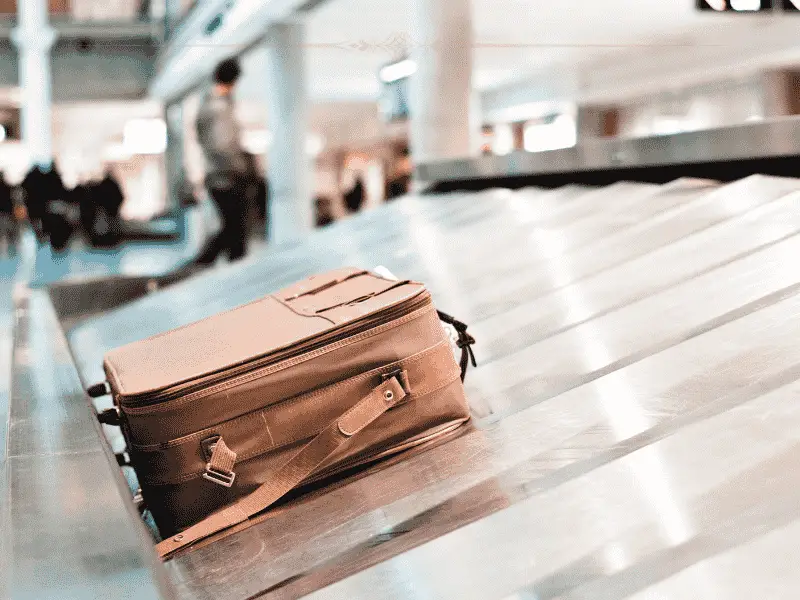
The baggage claim area can feel like a lottery. Some lucky passengers see their luggage appear within the first few minutes, while others wait twenty minutes or more, growing increasingly anxious with each passing moment. But what if there was a way to stack the odds in your favor?
Airport workers and frequent flyers have discovered a surprisingly simple trick that can dramatically increase your chances of getting your suitcase first. The secret lies in understanding how baggage handlers actually load and unload planes – and it goes against everything most travelers think they know about checking in early.
The Counter-Intuitive Check-In Strategy
Most passengers believe that checking in early gives them an advantage. They arrive at the airport hours before their flight, check their bags immediately, and assume this puts them first in line for everything. But when it comes to baggage handling, this conventional wisdom is completely wrong.
The reality is that bags are loaded onto planes in a very specific order, and they come off in the reverse of how they went on. Think of it like stacking boxes in a truck – the last box you put in is the first one you can take out when you reach your destination.
Regional airport workers across the country confirm this pattern. Baggage crews load luggage from front to back in the cargo hold, using wheeled carts that get emptied in sequence. When your bag gets checked in late, it ends up on the last cart to be loaded, which means it goes into the back of the cargo hold. When the plane lands, that back section gets unloaded first.
This means passengers who check in at the last possible moment often see their bags appear on the carousel before travelers who arrived hours earlier. The strategy requires careful timing, but the payoff can save significant time at your destination.
How Airport Baggage Systems Really Work
Understanding why this trick works requires a look behind the scenes at airport operations. Every day, thousands of bags move through complex systems designed for efficiency rather than passenger convenience. These systems follow predictable patterns that smart travelers can use to their advantage.
When you check a bag, it doesn’t go straight to your plane. Instead, it enters a network of conveyor belts, scanning machines, and sorting systems that route luggage based on flight numbers and destinations. The bags eventually end up in designated areas where ground crews load them onto carts for transport to aircraft.
These carts hold multiple bags and get loaded onto planes in a specific sequence. The first carts loaded contain bags from passengers who checked in earliest. These carts get pushed furthest into the cargo hold. Later carts, containing bags from late check-ins, stay closer to the cargo door.
When the plane reaches its destination, ground crews reverse the process. They can only access the carts closest to the door first, which means late-checked bags come off the plane before early-checked ones. It’s a simple matter of physics – you can’t reach the stuff in the back until you move the stuff in the front.
This system exists at airports worldwide, from small regional facilities to major international hubs. While the technology and scale vary, the basic loading principle remains consistent across the industry.
Mastering the Timing Game
Successfully implementing this strategy requires understanding airline policies and airport logistics. Most airlines allow check-in up to 45 minutes before domestic flights and 60 minutes before international flights, though these cutoffs can vary by carrier and airport size.
The key is arriving with enough time to check your bag close to the deadline while still leaving a buffer for unexpected delays. Security lines, check-in counter waits, and gate distances all factor into this calculation. Missing your flight obviously defeats the purpose of any baggage strategy.
Experienced travelers recommend checking airline apps for real-time information about check-in deadlines and potential delays. Some airports experience longer processing times during peak travel periods, requiring earlier arrival even when implementing late check-in strategies.
The strategy works best for travelers with carry-on luggage who only need to check one bag. Passengers checking multiple pieces or oversized items may find the timing more challenging to execute effectively.
Business travelers who frequent the same routes often develop airport-specific timing formulas based on their experience with particular facilities. They know exactly how long security takes at different times of day and can calculate the latest possible check-in time with confidence.
The Fragile Sticker Alternative
Another approach involves requesting special handling for your luggage, even when it doesn’t strictly require it. Airport staff typically provide fragile stickers free of charge to any passenger who requests them, regardless of what’s actually inside the suitcase.
Bags marked as fragile often receive priority treatment throughout the handling process. Ground crews are supposed to load these items last and unload them first to minimize the time they spend in cargo holds where other luggage might bump against them. This careful handling frequently results in fragile items appearing early on baggage carousels.
The fragile sticker method works independently of check-in timing, making it a useful backup strategy for travelers who prefer checking in early or can’t control their arrival time at the airport. Some frequent travelers combine both approaches, checking in late and requesting fragile stickers for maximum effect.
However, this strategy comes with important considerations. Overuse of fragile designations for items that don’t require special handling can create unnecessary work for ground crews and potentially affect the service for passengers with legitimately fragile items.
Security and Privacy Considerations
While these strategies can improve your travel experience, they also require attention to security and privacy concerns that many travelers overlook. Luggage that comes off the plane first becomes visible to other passengers sooner, which can increase exposure to theft or unwanted attention.
Distinctive luggage tags and bright colored bags that help you spot your suitcase quickly can also make them more visible to potential thieves. The goal is finding the right balance between easy identification and discrete travel.
One critical security mistake involves luggage tags with home addresses. When bags appear early on carousels, more people see them, including individuals who might note down addresses for later criminal activity. Using work addresses or P.O. boxes instead of home addresses provides identification without broadcasting that your house is currently empty.
Travelers should also avoid luggage tags that advertise expensive contents or destinations known for wealthy tourists. Simple, non-descript identification provides the necessary information without creating security risks.
International travelers face additional considerations, as customs procedures and security protocols vary significantly between countries. Some nations have restrictions on special handling requests or specific requirements for luggage identification that can affect strategy implementation.
Technology Tools for Better Baggage Management
Modern airports increasingly offer digital tools that can enhance traditional baggage strategies. Many airlines now provide real-time baggage tracking through mobile apps, allowing passengers to monitor their luggage throughout the journey.
These tracking systems use RFID technology or barcode scanning to update bag locations from check-in through baggage claim. Passengers can receive notifications when their bags are loaded onto the plane, when they’re unloaded at the destination, and when they’re placed on the carousel.
Some apps also provide estimated delivery times to baggage carousels and can send alerts when your specific bag is about to appear. This information allows travelers to time their arrival at baggage claim more precisely, avoiding long waits regardless of when their luggage actually gets unloaded.
Electronic bag tags, available through certain airlines, provide additional tracking capabilities and can streamline the check-in process. These reusable tags display flight information electronically and often come with enhanced tracking features that help passengers monitor their luggage more effectively.
Airport WiFi networks support these mobile tracking systems and provide platforms for accessing real-time flight information, gate changes, and baggage claim updates. Staying connected throughout the travel process enables more responsive strategy adjustments when plans change unexpectedly.
Peak Travel Considerations
The effectiveness of baggage priority strategies varies significantly based on travel seasons and airport congestion levels. During peak periods like summer vacation season or major holidays, airports handle much higher luggage volumes that can affect normal processing patterns.
Holiday travel often involves larger numbers of checked bags per passenger, which can overwhelm standard loading procedures and reduce the effectiveness of timing-based strategies. Ground crews may implement modified loading procedures during these periods that prioritize speed over the normal sequence patterns.
Summer travel seasons typically see increased international flights with longer layovers and more complex routing requirements. These factors can disrupt standard baggage handling patterns and make timing strategies less predictable.
Weather-related delays create additional complications for baggage strategy implementation. When flights are delayed or cancelled, checked bags may be processed differently than during normal operations, potentially negating the advantages of late check-in timing.
Experienced travelers adjust their strategies based on seasonal patterns they’ve observed over multiple trips. They may avoid timing-based approaches during known peak periods and rely more heavily on alternative methods like fragile designations during busy travel times.
Airport-Specific Considerations
Different airports have varying layouts, baggage handling systems, and operational procedures that affect strategy success rates. Large hub airports with multiple terminals and complex routing systems may offer different opportunities than smaller regional facilities.
Some airports use centralized baggage systems where all luggage passes through a single sorting facility, while others employ decentralized systems where bags are processed separately for different terminals or airlines. Understanding these system differences helps travelers adapt their approaches for maximum effectiveness.
International airports often have additional security screening requirements for checked baggage that can affect processing times and loading sequences. These extra steps may disrupt normal timing patterns and require modified strategies for international travel.
Certain airports are known for exceptionally long baggage claim waits due to outdated systems or high passenger volumes. At these facilities, any strategy that provides even marginal improvements can save significant time and frustration.
Construction projects and facility upgrades can temporarily alter normal baggage handling procedures at many airports. Travelers should check for current operational changes that might affect their strategy implementation before implementing timing-based approaches.
Maximizing Success Through Preparation and Flexibility
The most successful implementation of baggage priority strategies requires advance planning and the flexibility to adapt when circumstances change. No strategy works 100% of the time, so having backup plans and realistic expectations ensures better overall travel experiences.
Successful travelers research their specific airline’s policies and procedures before implementing timing strategies. They understand check-in deadlines, baggage policies, and any restrictions that might affect their approach. This preparation prevents last-minute surprises that could derail their plans.
Maintaining flexibility becomes crucial when flights are delayed, gates change, or other unexpected events disrupt normal airport operations. Travelers who can quickly adapt their strategies to changing circumstances maintain better success rates than those who rigidly stick to predetermined plans.
Building buffer time into travel schedules allows for strategy implementation without creating stress about missing flights or connections. The goal is improving the travel experience, not creating additional anxiety about timing and logistics.
Tracking results over multiple trips helps travelers refine their approaches and identify patterns specific to their regular routes and preferred airlines. This data-driven approach leads to more consistent success rates and better overall travel experiences.
The airline industry continues evolving its baggage handling procedures and customer service offerings. Staying informed about policy changes and new service options ensures strategies remain effective and compliant with current regulations and procedures.