
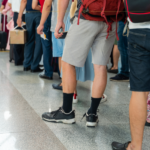
The wheels have barely kissed the tarmac when it happens. Before the captain has even switched off the seatbelt sign, dozens of passengers are already on their feet, yanking luggage from overhead bins and jostling for position in the narrow aisle. This increasingly common scene has earned these hurried travelers an unflattering nickname that’s spreading through aviation circles and social media alike.
The phrase might sound crude, but it captures the frustration felt by both airline staff and fellow passengers who watch this daily spectacle unfold. These are the people who simply cannot remain seated during those final minutes of a flight, driven by an urgency that seems to override basic courtesy and safety protocols.
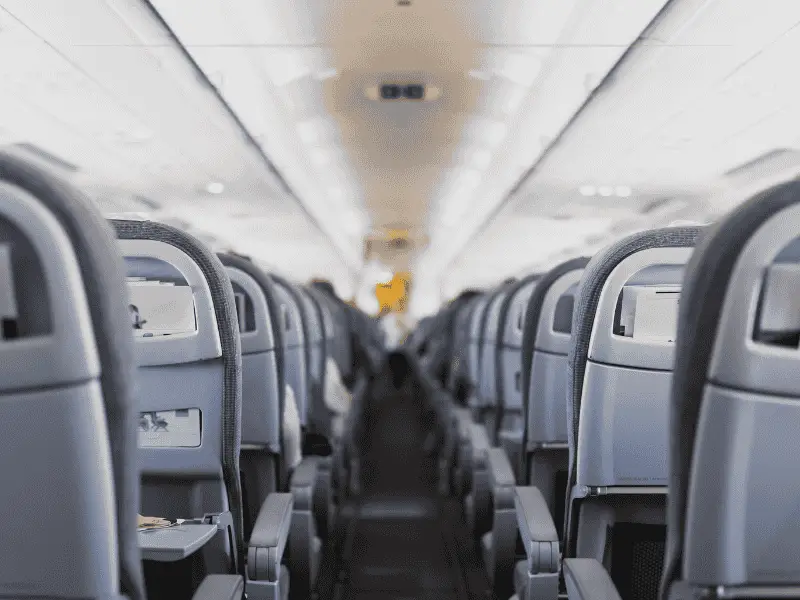
What Drives People to Rush?
The roots of this impatient behavior run deeper than simple rudeness. Air travel today creates a pressure cooker environment that affects people in ways they might not fully recognize. When you’ve been squeezed into a metal tube for hours, your body screams for freedom. That biological imperative to move, to stretch, to reclaim personal space becomes almost overwhelming.
Modern aviation has transformed into a race against time. Airports grow more congested each year, security lines snake endlessly, and immigration procedures at international destinations can consume an hour or more. For many travelers, those extra three or four minutes gained by standing first feel like the difference between making a connection and missing it entirely.
The anxiety intensifies for business travelers facing back-to-back meetings or families trying to coordinate with relatives waiting at arrivals. In their minds, every second counts. The logic goes that if they can just get off the plane faster, they’ll beat the crowd to passport control, reach the taxi queue before it stretches around the terminal, or catch that earlier train home.
This competitive mindset has infected air travel across the board. People observe others standing up early and think they’re missing out on some advantage. It becomes a self-perpetuating cycle where everyone feels compelled to participate in the rush, even when they don’t have any particular reason to hurry.
While passengers focus on saving those precious minutes, they rarely consider what their behavior costs everyone else. Flight attendants face daily hazards from bags being wrenched from overhead compartments by people who can’t see what they’re doing in the cramped space. Personal items rain down on seated passengers. Shoulders and elbows collide in the confined area as people fight for space.
The safety implications extend beyond minor bumps and bruises. Aircraft still move during taxiing, sometimes hitting rough patches or making sudden stops. Passengers standing in the aisles during this phase risk serious injury if something goes wrong. The seatbelt signs remain illuminated for legitimate reasons, not as suggestions.
Ground operations suffer too. When passengers flood off the aircraft in a disorganized manner, it takes cleaning crews longer to prepare the cabin for the next flight. Those extra minutes multiply across dozens of flights daily, contributing to delays that ripple through the entire system. An airline might lose an entire flight slot because of cumulative inefficiencies, affecting hundreds of passengers down the line.
The irony cuts deep: the behavior meant to save time actually wastes it on a systemic level. Airlines struggle to maintain schedules when deplaning becomes chaotic. Gates get backed up. Crews run behind. The whole carefully orchestrated ballet of modern aviation stumbles.
Where Culture Shapes Behavior
Travel to different parts of the world and you’ll witness dramatically different scenes during deplaning. Some regions maintain remarkable order and discipline. Passengers remain seated, waiting patiently for their turn to exit based on their position in the cabin. Nobody stands until the rows ahead have cleared. The process flows smoothly, almost elegantly.
These differences aren’t accidental. They reflect deep-rooted cultural values about collective behavior, respect for systems, and consideration for others. In societies that prioritize group harmony over individual advancement, the idea of pushing ahead in line feels fundamentally wrong. Social pressure keeps everyone in check without any need for enforcement.
Other regions embrace a more individualistic approach. Every person for themselves becomes the unspoken rule. Standing up first signals assertiveness and initiative rather than rudeness. The cultural programming runs so deep that people don’t even recognize their behavior as problematic.
Airlines operating international routes face a particular challenge. They must navigate these wildly different expectations while maintaining consistent service standards. What works perfectly on flights within certain countries fails spectacularly on others. Crew members need cultural fluency just to manage the deplaning process effectively.
Part of a Larger Pattern
This rushing behavior doesn’t exist in isolation. Modern air travel has spawned numerous passenger strategies and workarounds, all aimed at gaming the system for personal advantage. People board early by claiming disabilities they don’t have. They smuggle oversized bags onto planes to avoid checked baggage fees. They book aisle seats but try to switch to windows once everyone boards.
The common thread linking these behaviors tells us something important. Air travel has become so stressful, so unpleasant, and so expensive that passengers feel justified in bending rules to improve their experience. They’re responding rationally to an irrational system.
Budget airlines have stripped away amenities to the point where flying resembles riding a bus. Full-service carriers have copied many of these cost-cutting measures while keeping premium prices. Passengers feel nickel-and-dimed at every turn. Seats have shrunk. Legroom has vanished. The whole experience has degraded.
In this environment, people adopt defensive behaviors. They fight for overhead bin space. They protect their armrests. They race to exit the aircraft. It’s survival mode, activated by years of conditioning in an increasingly hostile travel environment.
Recognition of this problem has prompted various responses from carriers worldwide. Some airlines have borrowed the structured boarding process for deplaning, calling passengers forward by zone or row number. This approach works better in theory than practice, as enforcing it requires crew members to stand in aisles blocking eager passengers who ignore instructions.
Education campaigns feature prominently in many airline strategies. Pre-landing announcements now include reminders about remaining seated until the seatbelt sign switches off. Video screens display messages about orderly deplaning. These passive measures achieve limited success because people simply ignore them when they feel time pressure.
Training programs for flight attendants increasingly focus on managing passenger behavior during this critical phase. Crews learn techniques for encouraging compliance without creating confrontation. They’re taught to read passenger mood and intervene before situations escalate. Yet their authority remains limited, and airlines hesitate to empower staff to take strong action against non-compliant passengers.
The business calculations complicate matters further. Airlines worry that strict enforcement might alienate customers and damage satisfaction scores. In a competitive market, losing passengers to rival carriers over deplaning policies seems like a bad trade-off, even if orderly procedures would improve overall efficiency.
The Infrastructure Connection
Airport design influences passenger behavior more than most people realize. Facilities with efficient systems reduce anxiety and diminish the perceived need to rush. When travelers trust that baggage will arrive promptly, that immigration lines move quickly, and that connections are achievable, they relax.
Modern airports invest heavily in technology that provides reassurance. Real-time updates about baggage carousel assignments appear on screens throughout terminals. Gate information for connecting flights updates automatically and reaches passengers through multiple channels. These systems work to eliminate the uncertainty that drives rushing behavior.
Older airports with outdated infrastructure create the opposite effect. Passengers disembarking at facilities known for chaos and delays feel justified in their urgency. They’ve experienced the consequences of slow baggage handling or understaffed customs areas. Their rushing stems from legitimate concerns based on past experience.
The physical layout matters too. Airports designed with efficient passenger flow reduce bottlenecks and crowding. Wide corridors, clear signage, and logical layouts help people move smoothly without feeling pressured. When the built environment supports orderly movement, passenger behavior tends to follow suit.
What Nobody Mentions
Humans are remarkably bad at accurately judging time, especially under stress. Those few minutes saved by standing first feel significant in the moment but amount to almost nothing in the grand scheme of travel. Studies of passenger behavior reveal that early standers typically save less than ninety seconds compared to those who wait patiently.
Control represents another powerful psychological factor. After surrendering autonomy to airlines for hours, taking action feels empowering. Standing up becomes a way to reclaim agency, even if the action accomplishes little in practical terms. It’s symbolic more than functional.
The confined space of an aircraft cabin affects mental state in subtle ways. Low oxygen levels, dry air, unchanging scenery, and physical restriction combine to create mild stress that people don’t consciously recognize. When the plane lands, they desperately need to escape that environment. The rush to exit reflects accumulated discomfort seeking release.
Herd mentality amplifies individual impulses. When one person stands, others feel pressure to do the same. Nobody wants to be the last person off the plane, even though row position ultimately determines exit order regardless of when you stand. The social dynamics override logical thinking.
Recognizing these patterns offers travelers the chance to opt out of the cycle. Planning ahead eliminates much of the anxiety that drives rushing behavior. Knowing connection times, understanding airport layouts, and having contingency plans all reduce stress.
Accepting the reality that row position matters more than standing time changes perspective. Passengers seated in row thirty will exit after those in row fifteen regardless of who stands first. Fighting against this basic fact accomplishes nothing except adding to personal stress levels.
Keeping essential items accessible rather than buried in overhead bins removes one major reason people stand early. Jackets, phones, important documents, and other frequently needed items should stay within reach during landing. This preparation allows for a more relaxed deplaning experience.
Watching experienced frequent travelers provides useful lessons. Notice how they often remain seated calmly, organizing their belongings while others crowd the aisle. They understand that patience actually gets them off the plane faster because they’re not stuck behind bottlenecks in the aisle.
This phenomenon represents something larger than isolated instances of poor behavior. It reflects fundamental problems with how modern aviation operates and how passengers respond to those conditions. The accumulation of small frustrations, indignities, and inconveniences pushes people toward competitive rather than cooperative behavior.
Stress spreads through social systems. When passengers adopt rushed, aggressive behaviors, it affects everyone around them. Fellow travelers feel more anxious. Crew members grow more defensive. The entire atmosphere in the cabin degrades. What should be a moment of relief as the flight ends becomes another source of tension.
For airlines, this behavior represents both a symptom and a cause of operational challenges. Passenger dissatisfaction stems partly from crowding and chaos during deplaning, yet those same passengers contribute to the problem through their actions. Breaking this cycle requires addressing root causes rather than just managing symptoms.
The question facing the aviation industry goes beyond simply stopping people from standing too early. It encompasses the entire passenger experience and what airlines can do to reduce the anxiety and competition that fuel these behaviors. Until travel becomes less stressful overall, individual interventions will achieve limited success.
Solutions exist, but they require commitment from multiple stakeholders. Airlines need to recognize that passenger behavior reflects their service design choices. When flying becomes a miserable experience, people respond with miserable behavior. Improving fundamental aspects of travel would naturally reduce problematic conduct.
Airport authorities must continue investing in infrastructure and technology that reduces uncertainty and streamlines passenger flow. The more confident people feel about the system working efficiently, the less they’ll feel compelled to fight for small advantages.
Passengers themselves bear responsibility for recognizing how their individual choices affect collective experience. Breaking the cycle requires people to opt out consciously, even when others around them continue rushing. Social norms shift when enough individuals model better behavior.
The terminology itself, harsh as it might sound, serves a purpose by highlighting behavior that deserves scrutiny. Nobody wants to identify with an unflattering label. Simply raising awareness about this phenomenon might encourage some travelers to reconsider their actions.
Whether this issue improves or worsens in coming years depends largely on how the aviation industry evolves. If flying continues its trajectory toward greater discomfort and stress, expect passenger behavior to deteriorate further. If airlines invest in improving the experience, orderly conduct might return as the norm rather than the exception.
You failed to address the real problem, People stand up and block the aisle because so many people in rows behind rush up ahead of passengers who try and wait for the rows ahead to deplane