
The federal government has shut down, and American air travelers are facing growing disruptions as the funding lapse continues. While airports remain open and planes are still flying, the shutdown is creating mounting pressure on the aviation system that will worsen the longer it drags on. Thousands of essential aviation workers are now reporting to work without receiving paychecks, a situation that historically leads to serious problems for passengers trying to get through airports and reach their destinations.
The shutdown affects nearly every aspect of air travel, from security screening to air traffic control to passport processing. Understanding these impacts helps travelers prepare for longer waits, potential delays, and other complications that tend to emerge as unpaid workers struggle with the financial strain of working without pay.
Security Lines Are Getting Longer
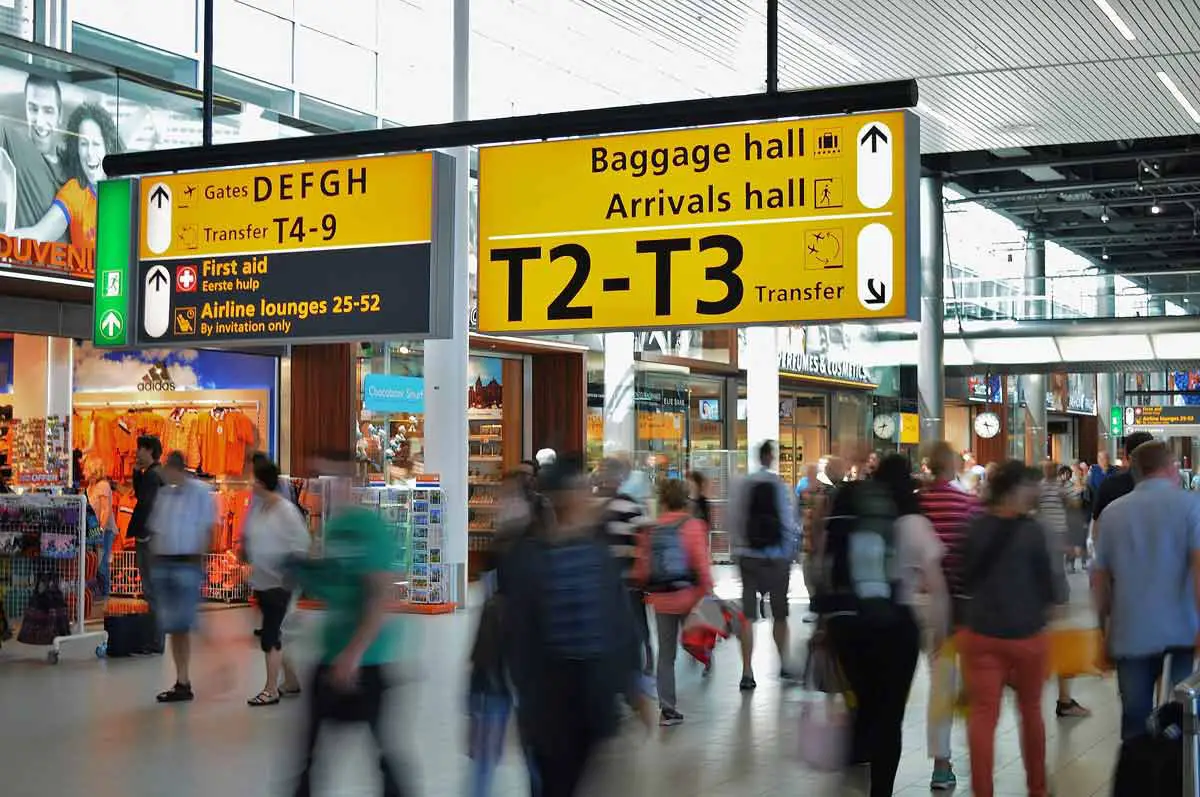
The Transportation Security Administration has classified approximately 95 percent of its 64,000 employees as essential workers who must continue reporting to their jobs despite the shutdown. These are the screeners who check identification, operate scanning equipment, and inspect carry-on bags at security checkpoints nationwide. Right now, they are working without receiving paychecks.
The Federal Aviation Administration website has posted emergency notifications warning that portions of the agency are in shutdown status due to the funding lapse. The TSA has acknowledged on social media that an extended shutdown means longer wait times at airports for travelers trying to get through security.
During the initial days of the shutdown, most security checkpoints are operating relatively normally. TSA screeners continue showing up for work and processing passengers through security at typical speeds. The professionalism of these workers keeps lines moving even as their financial situations become more precarious with each passing day.
However, history shows this cannot last. As the shutdown continues and workers miss paychecks, absenteeism begins climbing. TSA employees face the same financial pressures as any American worker. They have rent or mortgage payments due, utility bills to pay, groceries to buy, and families to support. Working without a paycheck becomes increasingly difficult as bills pile up.
The pattern from previous shutdowns is clear. Initially, sick leave usage remains at normal levels. After the first missed paycheck, more employees start calling in sick. Some take sick days because they genuinely cannot afford to commute to work without income. Others use sick leave to work temporary paying jobs or search for more stable employment elsewhere.
The 35-day shutdown that lasted from late 2018 into early 2019 provides a cautionary example. Hundreds of TSA screeners called in sick as the funding lapse stretched on week after week. Security lines at airports across the country grew noticeably longer. Passengers reported wait times that exceeded an hour at major airports. Some travelers missed flights because they could not get through security checkpoints in time.
Former Department of Transportation officials have stated that sick leave absences tend to increase tremendously over time during shutdowns. Many employees misuse sick leave to take temporary work that actually pays them or to interview for other jobs that offer financial stability. The longer workers go without paychecks, the more desperate their situations become and the higher absenteeism climbs.
For travelers, this means budgeting extra time for airport security. Arriving two hours before domestic flights and three hours before international flights is already standard advice, but during an extended shutdown, even more buffer time may be necessary. Missing a flight because of unexpectedly long security lines is a real risk that grows more likely with each passing week of the shutdown.
Air Traffic Controllers Are Working Under Extreme Stress
More than 13,000 air traffic controllers are considered essential employees who must keep working throughout the shutdown without receiving pay. These are the professionals sitting in control towers and radar facilities across the country, guiding aircraft through takeoffs, landings, and all the complex movements in between. Their job requires intense concentration and carries enormous responsibility for keeping passengers safe.
Air traffic control is inherently stressful work even when paychecks arrive on time. Controllers manage multiple aircraft simultaneously, make split-second decisions, and bear the weight of knowing that mistakes can have catastrophic consequences. Adding financial stress on top of job stress creates a dangerous combination that affects performance and morale.
One air traffic controller described the situation as getting messy on the very first day of the shutdown. The immediate recognition that paychecks would stop while work continued created anxiety and frustration among controllers who already work in high-pressure conditions. As the shutdown extends, that stress compounds.
Working without pay traditionally lowers morale among air traffic controllers and leads to increased absenteeism. Just like TSA screeners, controllers start calling in sick when they cannot afford to work for free. Each absent controller means remaining staff must handle heavier workloads, creating even more stress and pressure on an already strained system.
The human reality behind the statistics is that many aviation workers live paycheck to paycheck. When those paychecks stop, financial crisis arrives quickly. Controllers face impossible choices between reporting to work or finding ways to earn money to feed their families and pay their bills. It does not take long before the system starts slowing down under this pressure.
During the 2018-2019 shutdown, air traffic controller shortages eventually forced the FAA to drastically limit traffic into major airports. New York, Philadelphia, Atlanta, and Orlando all experienced significant restrictions on arriving flights because there were not enough controllers to safely manage normal traffic volumes. These capacity reductions caused cascading delays throughout the national airspace system.
Those delays in early 2019 reportedly became a major factor in ending that shutdown. When air traffic began grinding to a halt at major airports, the economic and political pressure to restore funding became overwhelming. The aviation system essentially reached a breaking point where further operation without paid controllers became untenable.
Airlines and their lobby groups have warned that this shutdown is coming at a particularly bad time. The FAA is in the middle of efforts to modernize its antiquated air traffic control system and ramp up hiring of new controllers to address existing shortages. The funding lapse puts all that work on hold while simultaneously creating staffing problems that could strain the aviation system and cause flight delays.
For passengers, the takeaway is that flight disruptions become more likely as the shutdown continues. Delays might start small but can snowball as controller shortages force capacity restrictions at busy airports. Travelers should build extra time into their itineraries and be prepared for the possibility that flights might be delayed or even canceled if the aviation system becomes too strained.
The FAA Is Operating With Reduced Staff
Beyond air traffic controllers, the Federal Aviation Administration employs thousands of other workers who keep the aviation system functioning. These include safety inspectors who check aircraft maintenance, administrators who process paperwork and certifications, support staff who handle logistics and communications, and specialists who work on air traffic control systems and equipment.
The FAA expects to furlough approximately 11,000 employees during the shutdown, which represents about 25 percent of its total workforce. These furloughed workers are sent home and prohibited from working at all. They do not receive paychecks during the shutdown, and unlike essential employees who eventually get back pay, furloughed workers face uncertainty about whether they will be compensated for the time they were out of work.
Furloughing a quarter of the FAA workforce creates serious operational challenges even though air traffic controllers remain on the job. Safety inspectors who normally visit airports and maintenance facilities to verify compliance with regulations are sitting at home. Administrators who process pilot certificates, aircraft registrations, and other essential paperwork are not working. Support staff who help controllers with technical issues and equipment problems are unavailable.
This creates a ripple effect throughout the aviation system. Airlines cannot get routine paperwork processed. New aircraft cannot be certified. Pilot licenses cannot be issued or renewed. Equipment malfunctions that would normally be fixed quickly instead go unaddressed. All these small delays and disruptions add up over time.
Former transportation officials have explained that even though controllers keep working, the absence of support staff strains the system significantly. Controllers depend on administrators, technicians, and other personnel to keep operations running smoothly. When those supporting roles disappear due to furloughs, controllers must work harder and deal with problems they normally would not handle themselves.
The combination of controllers working without pay and support staff being furloughed creates a perfect storm for operational problems. Stressed, unpaid controllers trying to do their jobs without adequate support cannot maintain normal efficiency indefinitely. Something has to give, and usually what gives is the smooth operation of the air traffic control system that passengers depend on.
Passport Processing May Slow Down
American travelers planning international trips face potential complications with passport and visa processing during the shutdown. The State Department has indicated that passport services will continue at offices in the United States and at embassies and consulates abroad as the situation permits, but that qualified statement leaves room for problems.
Past government shutdowns have led to staff reductions at passport agencies and slower processing times for applications and renewals. When fewer employees are available to review applications, approve documents, and print passports, backlogs develop quickly. What normally takes a few weeks can stretch into months when the system is operating with reduced capacity.
The State Department’s shutdown plan allows for some passport services to continue, but the level of service depends on available funding and staffing. If the shutdown extends for weeks, passport agencies may struggle to maintain normal processing speeds even if they technically remain open for business.
Travelers who need passports or visa services should act immediately if they have upcoming international trips planned. Applying now gives you the best chance of receiving documents before your departure date. Waiting to see if the shutdown ends soon is risky because processing times could lengthen significantly if backlogs develop.
Those who already applied for passport renewals before the shutdown should monitor their applications closely. If processing stalls due to staffing issues, you may need to make backup travel plans or postpone trips if your passport does not arrive in time. Expedited processing services may also slow down or become unavailable during an extended shutdown.
The State Department typically prioritizes emergency passport requests even during shutdowns, so travelers with genuine emergencies like family illness or death abroad should still be able to get help. However, normal leisure travel does not qualify as an emergency, meaning most applicants could face delays if the shutdown drags on.
Morale Problems Create Cascading Effects
The psychological impact of working without pay extends beyond individual financial hardship. When thousands of aviation workers feel undervalued and stressed, their collective morale decline affects the entire system. Workers become less engaged, more irritable, and less willing to go above and beyond their basic job requirements.
Aviation depends heavily on workers who take pride in their roles and maintain high professional standards. Air traffic controllers who normally stay late to help during busy periods might leave exactly at shift change when they are working without pay. TSA screeners who typically maintain friendly attitudes with passengers might become more curt and mechanical when dealing with financial crisis at home.
These subtle changes in behavior accumulate across thousands of workers and millions of passenger interactions. The aviation system loses the cushion of extra effort and goodwill that normally helps it absorb disruptions and handle peak travel periods. Operations that usually run smoothly start experiencing friction and delays.
Former transportation officials have noted that attrition becomes a serious problem during extended shutdowns. Some workers quit to take jobs elsewhere rather than continue working without pay. Each resignation reduces staffing levels further and puts more pressure on remaining employees. Replacing experienced aviation workers takes months or years of training, so workers who leave during shutdowns create staffing holes that persist long after funding is restored.
Overtime usage also becomes problematic during shutdowns. Aviation operations frequently rely on workers agreeing to overtime shifts to cover peak periods or unexpected absences. When workers are not being paid their regular wages, asking them to work extra hours becomes nearly impossible. The inability to schedule overtime means less flexibility to respond to staffing problems and operational challenges.
What Travelers Can Do Right Now
American passengers flying during the shutdown need to adjust their expectations and preparations. The aviation system is under strain that will worsen over time, and travelers who plan accordingly will have better experiences than those who assume everything operates normally.
Arriving at airports earlier than usual is the most important step travelers can take. If you normally arrive two hours before a domestic flight, consider arriving three hours early during the shutdown. For international flights, arriving four hours ahead of departure provides a safety margin against longer security lines and potential processing delays.
Checking flight status frequently becomes more important during shutdowns. Airlines may proactively cancel or delay flights if air traffic control issues emerge. Knowing about changes as early as possible gives you more options for rebooking or making alternative arrangements. Sign up for flight status alerts from your airline if you have not already.
Flexibility with travel dates helps when the aviation system is strained. If your trip is not time-sensitive, consider postponing until the shutdown ends. Travelers who must fly should avoid booking tight connections that leave little buffer time between flights. Missing a connection due to delays caused by shutdown-related problems could leave you stranded.
Travel insurance that covers trip interruptions and cancellations becomes more valuable during government shutdowns. Policies that reimburse expenses from flight delays or cancellations can protect you from financial losses if your travel plans fall apart due to aviation system problems. Review your coverage to understand what situations are covered.
Packing patience is essential for everyone flying during the shutdown. Airport workers dealing with financial stress do not need abuse from frustrated passengers. TSA screeners and airline staff are doing their best under difficult circumstances. Treating them with courtesy and respect makes everyone’s experience better even when things are not running smoothly.
The Longer This Lasts, The Worse It Gets
Government shutdowns affect aviation on a timeline that starts slow but accelerates toward crisis. The first few days or even the first week might pass with minimal disruption. Travelers might not notice significant differences from normal operations during this initial period.
Problems typically emerge after the first missed paycheck. Aviation workers who went the first week or two without pay while hoping for quick resolution start taking action when that hope fades. Absenteeism rises. Morale drops. The system begins showing strain as fewer workers handle the same volume of passengers and flights.
If the shutdown extends beyond a month, the aviation system reaches a critical point where normal operations become very difficult to maintain. This is when major disruptions occur, like the capacity restrictions and widespread delays seen during the 35-day shutdown in 2018-2019. The longer the shutdown continues past this point, the higher the risk of serious breakdowns in air traffic control and security screening.
American travelers should understand that aviation disruptions during shutdowns are not political theater or exaggeration. They represent the real consequences of asking thousands of people to work for free while maintaining a complex system that requires concentration, expertise, and dedication. The human beings operating this system have limits, and extended shutdowns push them past those limits.
The aviation industry has made clear that it considers this shutdown particularly problematic given ongoing efforts to modernize air traffic control and address controller shortages. Interrupting those initiatives while simultaneously creating staffing problems through the shutdown compounds existing challenges in the aviation system.
For Americans planning to fly in the coming weeks, the advice is straightforward: expect delays, plan extra time, monitor your flights closely, and prepare for the possibility of significant disruptions if the shutdown continues. The aviation system is resilient but not immune to the effects of asking essential workers to work without pay indefinitely.

