A Summer of Disrupted Vacations: River Cruise Companies Are Scrambling to Handle Unprecedented Low Water Levels on Europe’s Most Popular Cruise Routes
Travelers who booked European river cruises for the summer have discovered that their dream vacations are turning into logistical nightmares. Cruise ships are running aground in multiple locations. Itineraries are being canceled days before departure. Passengers are being transferred mid-cruise to different ships, relocated to hotels, or transported by bus between ports. The common denominator across all these disruptions is water. Or rather, the lack of it.
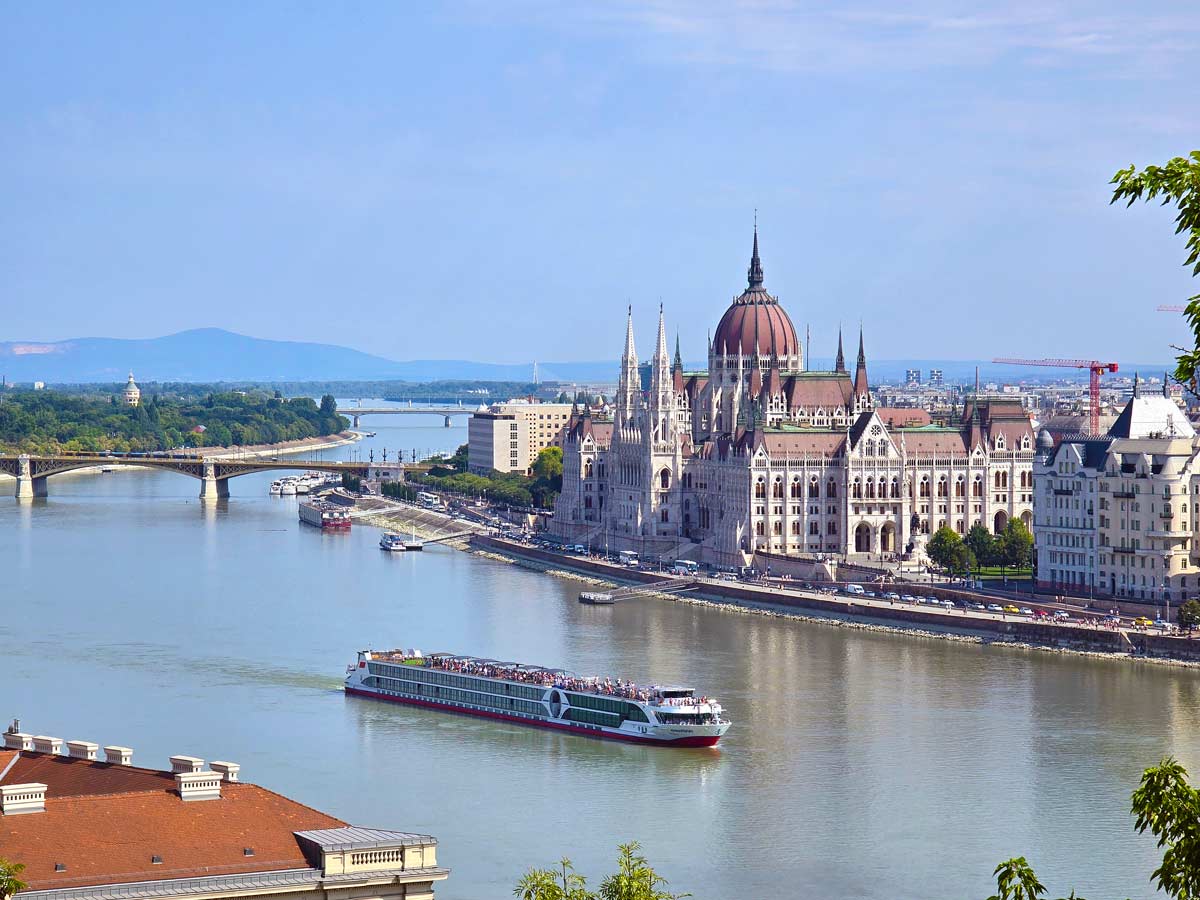
The Rhine and Danube rivers, which form the backbone of Europe’s river cruise industry, are experiencing water levels so low that they are approaching or reaching historic records. In some locations in Germany and the Netherlands, the Rhine has fallen to levels never before recorded in modern history. Sections of the Danube are experiencing similar conditions. The prolonged heatwave combined with unusually low rainfall has created conditions that the river cruise industry was not designed to handle.
For the millions of travelers who have booked river cruises expecting to travel through Europe’s most scenic and accessible waterways, the reality of this summer has been profoundly disappointing. Cruise lines from Viking to Uniworld to smaller operators are implementing emergency measures to salvage vacations, but the situation has overwhelmed their capacity to keep itineraries on schedule. For some passengers, the only option is cancellation and financial refunds or credits. For others, completely restructured trips bear little resemblance to what they paid for.
How Low the Water Actually Is
The scale of the water level crisis cannot be overstated. At Lobith in the Netherlands, where the Rhine River crosses from Germany into the Netherlands, water levels dropped to historic lows, briefly reaching levels never before measured in recorded history. When a major river reaches water level records, it means the situation is genuinely extraordinary and unprecedented in the modern era.
The causes of the low water are straightforward but difficult to reverse. Europe experienced prolonged heatwaves during the spring and early summer months of 2026. These heatwaves contributed to unusually high evaporation from the rivers and their source regions. Simultaneously, rainfall across the regions that feed the Rhine and Danube was significantly below normal. The combination of high heat and low precipitation created perfect conditions for water levels to drop dramatically.
Water levels in rivers fluctuate seasonally and from year to year, but the magnitude of the drop this year has been extreme. The rivers that normally support thousands of cruise ships operating simultaneously during the summer vacation season are now too shallow for many of those ships to navigate. The draft required for a river cruise ship, the depth of water the ship needs to float, is being exceeded in multiple locations as river levels continue to remain critically low.
The Ships That Got Stuck
The crisis became undeniable when river cruise ships actually ran aground, unable to navigate through shallow sections of the rivers. The Viking Einar ran aground on the Rhine River in Cologne, Germany, on June 29 with approximately one hundred ninety passengers on board. The ship became stuck when water levels dropped below what was needed to support the vessel’s weight and size.
The incident was not isolated. Later in July, the Viking Ullur ran aground on the Danube River in Bulgaria, with all one hundred eighty-six passengers requiring rescue operations. The rescue of nearly two hundred passengers from a grounded river cruise ship is a significant emergency event that demonstrates how serious the situation has become. Both incidents involved the same cruise line, suggesting that even experienced operators with sophisticated navigation planning were unable to avoid grounding incidents as water levels dropped rapidly.
These groundings represent more than just operational problems for the cruise lines. They represent genuine safety concerns for passengers, the need for emergency rescue operations, and the reality that the rivers have become unpredictable and dangerous for normal cruise operations. Each grounding incident generates media coverage and passenger alarm, undermining confidence in river cruise travel during this period.
How Cruise Lines Are Attempting to Salvage Vacations
Confronted with the reality of low water levels, major river cruise operators have implemented various strategies to try to keep cruises operating or at least to minimize passenger disappointment. The most sophisticated approach used by companies like Viking and Uniworld is the ship swap system. When a particular section of a river becomes too shallow for normal navigation, passengers and their luggage are transferred mid-cruise from one ship to an identical sister ship that is either positioned beyond the problematic section or that uses an alternative route.
The ship swap system works in theory because cruise lines operate multiple identical or nearly identical ships on the same routes, sailing in opposite directions. If one ship cannot proceed through a shallow section, passengers can board an identical ship with the exact same stateroom configuration and accommodations. From the passenger’s perspective, the transfer happens, and they continue their vacation in an identical cabin on an identical ship. The theory is that this minimizes disruption and preserves the cruise experience.
In practice, ship swaps require significant coordination and logistical precision. The ships must be positioned correctly, passenger luggage must be transferred accurately, and the timing must be coordinated so that passengers do not face extended waits between ships. When executed well, ship swaps are invisible to passengers. When executed poorly, they create confusion and frustration.
Uniworld has been forced to implement more dramatic solutions on some itineraries because even ship swaps cannot solve all problems. On one cruise originally scheduled to depart August 9 from Basel to Amsterdam on the S.S. Antoinette, the itinerary required passengers to transfer mid-cruise to the S.S. Elisabeth, with significant changes to which ports the ship would visit. For another itinerary, an August 9 cruise from Belgrade to Vienna on the S.E. Emilie was restructured to require passengers to fly to Budapest for a two-night hotel stay before transferring to the Trafalgar Reverie to complete the river cruise portion of the trip.
When Cruises Are Simply Canceled
Some cruise lines lack the resources or flexibility to implement ship swaps or complex rerouting. For those companies, cancellation has become the only option. Riviera Travel canceled eight sailings during the summer, according to travel industry publications. One upset Riviera Travel customer faced the cancellation of their Rhine and Moselle River cruise just five days before it was scheduled to depart. The late cancellation left the passenger with minimal time to rebook alternative vacation arrangements.
Other cruise lines have also resorted to cancellations. Travel advisors reported that a Grand European cruise with Tauck was canceled, leaving passengers searching for alternatives with minimal notice. For travelers who had spent months anticipating their river cruise vacation, receiving cancellation notices days or weeks before departure was profoundly disappointing and disruptive.
The financial implications of cancellations are significant for both cruise lines and passengers. Cruise lines face revenue loss from canceled sailings and must refund passenger deposits or provide credits for future cruises. Passengers may be entitled to refunds, but the refund process can be slow and contentious. For passengers who had used vacation time and made other travel arrangements based on their cruise dates, a cancellation creates ripple effects throughout their vacation planning.
Bus Tours and Hotel Stays as Substitutes
When ship swaps and rerouting are not possible, some cruise lines have resorted to substituting portions of river cruises with hotel stays and bus tours. Passengers who expected to travel by ship for multiple days may find themselves instead traveling by motorcoach between destinations with hotel stays in between.
These substitutions fundamentally change the nature of the travel experience. River cruises are marketed as leisure experiences with the relaxation of spending days on water, waking up in different cities, and traveling without having to pack and unpack. Substituting bus travel and hotel stays for river travel removes the core benefit of the river cruise experience. Passengers are spending the same money but receiving a significantly different product.
TUI, one of the major cruise lines operating European river cruises, acknowledged that when water levels force changes, the company may modify berth locations, alter shore excursions, or substitute coach travel for portions of itineraries. The company stated that most sailings proceed without disruption, but for those affected by water levels, the airline would make efforts to complete the itinerary even if that required significant modifications.
The Broader Impact on the River Cruise Industry
The cumulative effect of low water levels is creating a crisis in the river cruise industry that extends beyond individual disrupted itineraries. The industry’s reputation for reliable, predictable vacation experiences is being damaged. Passengers who experience canceled or heavily modified cruises are unlikely to rebook river cruises with the same companies. Travel advisors are receiving multiple calls from distressed passengers and are questioning whether they should continue recommending river cruises to clients during what appears to be a period of unpredictable conditions.
The incident reporting by passengers on social media and travel forums is creating negative publicity for cruise lines. A single canceled cruise or major itinerary change generates multiple posts on social media, reaching thousands of potential customers and shaping perception of the industry’s reliability. Negative reviews accumulate and influence booking decisions by future customers.
The financial impact on cruise lines is significant. Revenue from canceled sailings is lost entirely. The costs of repositioning ships, implementing ship swaps, and providing hotel accommodations for passengers add expenses that eat into profitability. For smaller cruise lines with less financial resilience, the cumulative impact could threaten viability.
What This Means for Travelers With Booked Cruises
For Americans with river cruises booked for the remainder of 2026 or potentially into 2027, the current situation creates genuine uncertainty. Travelers cannot assume their cruise will operate as planned or that their itinerary will remain unchanged. The possibility of cancellation, ship swaps, or significant itinerary modifications is real and should be factored into planning.
Travel insurance that covers cancellation due to circumstances beyond the traveler’s control becomes important protection. Some insurance policies cover cancellation due to weather conditions or natural disasters, and extended periods of drought causing historically low water levels could potentially qualify. Reviewing insurance coverage before cruise departure is advisable.
Communication with the cruise line becomes important. Cruise lines are actively monitoring water levels and making decisions about which sailings will proceed and which will be modified. Travelers should monitor official cruise line communications for updates about their specific sailings. Multiple sources of communication, including email, website updates, and social media, are typically used to notify passengers of changes.
For travelers considering rebooking after a cancellation or modification, negotiating with the cruise line about when they will be willing to cruise again is important. Some passengers might prefer to wait for water levels to return to normal rather than accepting substituted itineraries. Others might prefer to take refunds or credits to book different vacation experiences entirely.
When Will Water Levels Return to Normal
The water level crisis is directly tied to weather patterns. When rainfall returns to normal levels and temperatures moderate, river levels should recover. However, predicting when that will occur is impossible. If the dry conditions persist into fall and winter, river levels could remain low for an extended period. If rainfall returns to normal in the coming weeks or months, levels could recover relatively quickly.
River cruise operators are monitoring weather forecasts closely and adjusting their operations based on predictions. But weather forecasting over the timeframe of several months is uncertain, making it difficult for cruise lines to make confident decisions about future sailings.
The current situation represents a stark reminder that river cruise travel is subject to natural conditions that are beyond the control of cruise lines or travelers. Water levels can fluctuate significantly based on weather patterns, and extreme weather can create conditions that make normal cruise operations impossible. For travelers considering river cruises, this reality should be part of the decision-making process.