
Mexico is set to implement a controversial new tourist tax that will dramatically increase the cost of cruise vacations, sending shockwaves through the maritime tourism industry.
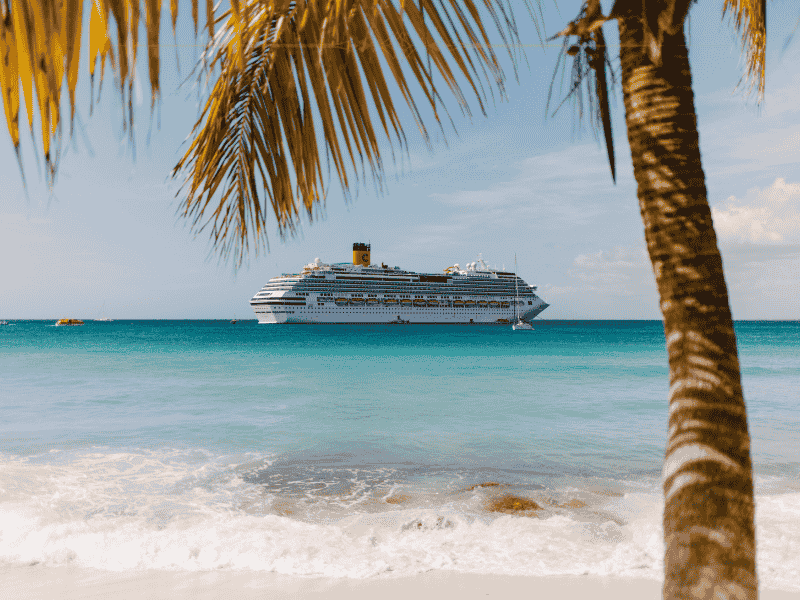
All inclusive cruises will soon face a new tax when they are sailing to Mexico. The Mexican Congress has voted to impose a staggering $42 immigration charge on every cruise ship passenger, regardless of whether they actually set foot on Mexican soil or not.
For regions like Quintana Roo, where cruise tourism represents a critical 40% of the local economy, the potential consequences are particularly worrying.
Contrary to expectations, the collected funds will not be reinvested in port facilities or local tourism infrastructure. Instead, the Mexican government plans to channel the revenues towards funding military projects, including railway constructions and oil refineries.
Tourism and shipping associations are mounting significant opposition to the new legislation. The Mexican Association of Shipping Agents argues that the tax will severely compromise Mexico’s competitiveness in the already challenging Caribbean cruise market.
The new law eliminates previous exemptions. Passengers will be taxed regardless of whether they disembark, effectively closing any loopholes that previously allowed travelers to avoid the immigration charge.
This move stands in contrast to tourism taxation strategies employed by other popular cruise destinations. Many regions have implemented more nuanced approaches to managing tourism revenues and addressing overtourism challenges.
According to industry sources, the new immigration fee is expected to take effect in January, giving cruise lines and travelers limited time to adapt to the significant cost increase.
The tax represents a bold and potentially risky strategy for managing maritime tourism. By imposing such a substantial charge, Mexico risks alienating travelers and potentially driving tourism to competing destinations.
For cruise lines, the new tax presents a complex challenge. The additional $42 per passenger will likely be passed directly to travelers, potentially making Mexican ports less attractive destinations.
Coastal states like Quintana Roo stand to lose the most. With cruise tourism forming such a critical component of their economic ecosystem, the new tax could have far-reaching consequences for local economies.
The decision highlights the delicate balance between generating revenue and maintaining tourism attractiveness. Mexico’s approach represents a significant departure from traditional tourism development strategies.
Travelers can expect more substantial upfront costs for cruise itineraries that include Mexican ports. The industry will be watching closely to see how this controversial tax impacts future travel patterns.
This move reflects a broader global trend of destinations seeking new revenue streams from tourism. However, the approach taken by Mexico stands out for its directness and potential economic impact.