The beach sunset, the plate of pasta, the hotel balcony view: for millions of Americans, posting these is as routine as packing a toothbrush. But the price of a single carefree upload can be steep. Security specialists, insurance professionals and federal agencies have spent years documenting the ways vacation posts turn into stolen belongings, drained bank accounts and denied claims, and the losses can reach into the thousands of dollars.
Here is how it happens, who is exploiting it, and what travelers can do about it.
The Bill Comes in Several Forms
Most people picture one kind of loss when they think about oversharing online: a burglary. That is real, but it is only one branch of the problem. A travel post can lead to a break-in at home, a fraud attempt against a relative, a compromised online account, or a dispute with an insurance company. Each carries its own price tag, and they are not mutually exclusive.
A break-in can mean replacing electronics, jewelry, and other valuables, plus repairing a door or window and paying an insurance deductible that can run well over a thousand dollars. Identity theft can take months to untangle and can involve frozen accounts and fraudulent charges. A successful scam aimed at a traveler’s parents or grandparents can wipe out savings in a single phone call. The common thread is that each of these begins with information a traveler handed out voluntarily.
Insurance Companies Read Social Media Too
One of the least discussed consequences involves insurance. Insurers have long looked at public online activity when evaluating claims they consider questionable, and a vacation feed can create problems in a few ways.
Consider a traveler who files a claim for a cancelled trip because of illness, then posts photos from a restaurant the same week. Or someone who reports a stolen camera and later shares pictures taken with what looks like the same device. Or a person claiming a physical injury who appears in a video hiking or swimming. A post may be entirely innocent, taken days earlier or posted late, but the timestamp and the content can still prompt an investigator to ask hard questions.
Home insurance adds another wrinkle. Policies typically require the policyholder to take reasonable steps to protect the property, and some carry conditions about how long a home can sit unoccupied. After a burglary, an adjuster reviewing public posts that show the family was far away for two weeks might use that information while examining the claim. Whether it changes the outcome depends on the policy and the circumstances, but it can lengthen the process, and in a dispute, every delay costs the policyholder time and money.
Travel insurance claims work the same way. Documentation matters, and public posts that contradict a written account can slow or complicate a payout.
Burglars Do Not Need to Be Clever Anymore
Law enforcement agencies across the country have warned for years that empty homes are attractive targets, and social media has made it far easier to tell which homes are empty. Historically, someone casing a neighborhood had to watch for stacked newspapers or dark windows. Now a public profile can announce an absence directly, often with a hotel name, an airport selfie and a countdown to the return date.
The risk grows when an account is public rather than private, when a traveler has thousands of followers they have never met, or when home details are already visible online. A profile that includes a photo of the front of the house, a neighborhood tag, or a post about a new television makes the connection between traveler and address easy to draw. Even a private account is only as private as its follower list, and friend lists tend to include acquaintances, former coworkers and friends of friends who might pass the information along without meaning to.
Police departments in many communities publish holiday and summer travel safety tips for exactly this reason, and the advice tends to repeat itself: do not announce trips in advance, and do not post real-time updates while the house is empty.
Your Location Is Baked Into Your Photos
Many travelers do not realize how much information a single picture can carry. Most smartphone cameras attach hidden data to every image, including the exact coordinates of where it was taken, the time, and the device used. Some social platforms strip this data before displaying a photo publicly, but others do not, and images sent directly, uploaded to certain websites or shared through some messaging apps can retain it.
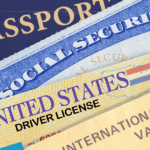
Beyond hidden data, the visible content of a photo can give away just as much. A boarding pass held up for a picture may show a name, a confirmation code and a frequent flyer number. A passport photographed for a caption can reveal a birth date and document number. A hotel key card, a luggage tag, or a reservation confirmation glimpsed in the background can expose details a scammer can use to impersonate a traveler or take over a booking.
Airline confirmation codes deserve particular attention. In some cases, anyone with a code and a last name can access a reservation, view personal details, or attempt changes. A boarding pass posted for the fun of it can be a real security gap.
Automatic features add to the exposure. Check-in tags, live location sharing and tagged posts from friends can all broadcast a location without the traveler ever deciding to post it. A friend uploading a group photo and tagging everyone can reveal an entire family’s whereabouts, even if the family members themselves keep their own accounts locked down.
Scammers Use Trip Details to Build Convincing Stories
Fraud aimed at travelers and their relatives has become more sophisticated as criminals learn to pull personal details from public profiles. The Federal Trade Commission and other consumer protection agencies have long warned about impostor scams, in which a caller pretends to be a loved one in trouble. The story usually involves an arrest, an accident or a stolen wallet abroad, and the caller requests urgent payment by wire transfer, gift cards or cryptocurrency.
A vacation feed makes such a call believable. If the scammer knows a grandchild is in Mexico, Italy or Florida, has seen the names of their travel companions and knows when they are due to return, the invented emergency sounds plausible. Older relatives, who may be following the trip closely online, are frequent targets.
The traveler can be targeted too. Scammers send fake messages that appear to come from an airline, a hotel or a rental company, referencing a real destination and real dates gleaned from a public post. Someone who mentions a delayed flight online might receive a message offering a refund if they click a link. Another common tactic involves phony booking confirmations and payment requests that arrive at the moment a traveler is distracted and hurried.
Personal information collected across many posts can also feed identity theft. A birth date shared in a celebration post, a hometown, a pet’s name, a mother’s maiden name mentioned in a family tribute and a school listed in a profile are the same details many people use as answers to security questions. Put together, they can help a criminal reset passwords or open accounts in someone else’s name.
Real-Time Tracking Creates Safety Risks Too
Not every consequence is financial. Sharing exact movements as they happen can put a traveler in physical danger, particularly when posts reveal a solo traveler’s hotel, a nightly routine or a planned itinerary. Someone with bad intentions, whether a stranger or a person the traveler knows, can use that information to appear at the same place.
Safety experts point out that this is especially relevant for people traveling alone, for people who have dealt with harassment or stalking in the past, and for those who have a large public following. Even so, ordinary users are not immune. A live story from a rooftop bar with the name of the hotel in the background tells viewers where to find that person, and the same is true of a running route posted from a fitness app that begins and ends at the same address each morning.
There is a financial aspect here as well. A traveler who is robbed, assaulted or otherwise victimized on the road faces medical bills, lost belongings and disrupted plans, all of which may be only partially covered by insurance.
Why Sharing Feels So Automatic
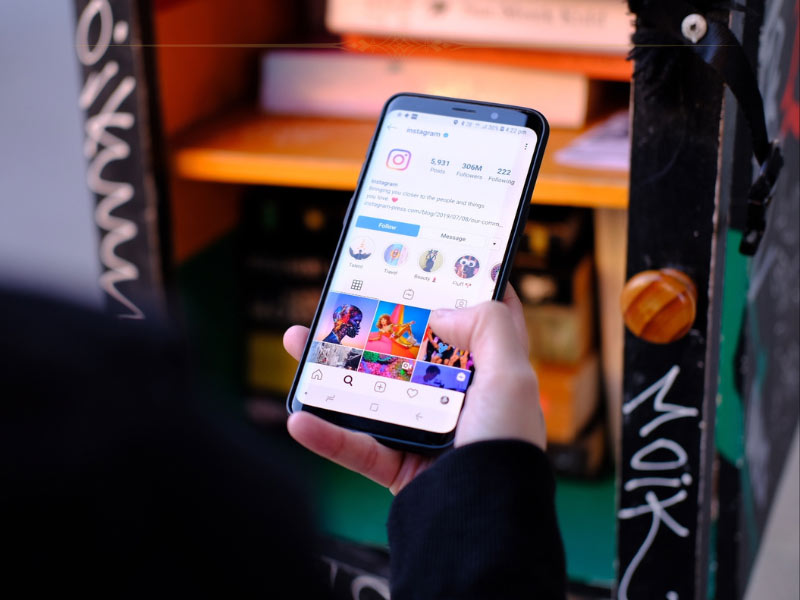
Social platforms are built to reward frequent posting. Likes, comments, streaks and shares encourage people to document experiences continuously, and travel supplies an endless flow of content worth documenting. Many people feel a pull to show friends and followers what they are doing in the moment, and some travelers, including those who earn money through content creation, feel obligated to post as they go.
Security professionals say this habit has become so common that it is rarely questioned. Posting in real time is treated as normal behavior, while waiting a few days is treated as unusual. Experts in this field describe the gap between how people think about privacy and how they actually behave online, with many travelers saying they care about their security yet still posting their exact whereabouts while away.
Features that make sharing easier compound the problem. Suggested location tags, automatic photo uploads and one-tap sharing reduce the moments in which a person might pause and consider what a post reveals.
What Security Specialists and Agencies Recommend
Guidance from cybersecurity specialists, consumer protection agencies and police departments points in a similar direction, and none of it requires giving up social media.
The most frequently repeated suggestion involves timing. Waiting until after returning home to post trip photos removes the signal that a house is empty and makes real-time tracking impossible. Travelers who want to share along the way can post about places they have already left, or share moments without naming the location.
Privacy settings are the next layer. Setting accounts to private, reviewing follower lists and removing people who are not truly known reduces the audience that can see a post. Many platforms also allow users to limit certain posts to a smaller group of close friends, and to restrict who can tag them in photos or locations.
Turning off location services for the camera app, disabling automatic check-ins and removing location data from photos before sharing are further steps recommended by technology security specialists. Checking the background of every picture before posting helps as well, since documents, screens, addresses and identifying items can sneak into the frame.
Travelers are also advised to keep boarding passes, passports, reservation codes and payment cards out of pictures completely, and to avoid sharing flight numbers or hotel names while still on the trip. Setting up two-factor authentication on email and social accounts adds protection if a scammer does manage to gather enough personal information to try a password reset.
For families, some experts suggest a short conversation before a trip about what everyone is comfortable posting, since one relative’s public upload can undo everyone else’s caution. Older relatives can be told in advance that the traveler will be reachable, and that any urgent request for money should be verified by calling the traveler directly on a known number, especially if the caller asks for gift cards or wire payments.
Homeowners heading out for extended trips are commonly advised to ask a trusted neighbor or friend to keep an eye on the property, to use timers on lights, and to hold mail or ask someone to collect it, all in combination with a quiet social media feed.
What Federal and Local Guidance Says
The Federal Trade Commission, the FBI and the Cybersecurity and Infrastructure Security Agency all publish consumer material about limiting the personal information shared online, recognizing scams and securing accounts. Their advice generally emphasizes sharing less, verifying unexpected requests and using strong, unique passwords. State attorneys general and local police departments frequently issue seasonal reminders around summer break and the winter holidays, when travel peaks and burglary concerns rise.
The Transportation Security Administration and airlines have also cautioned passengers against posting images of boarding passes, since barcodes and codes can contain more information than most people realize.
Consumer advocates note that Americans spend enormous sums each year on vacations, with a typical family trip often costing several thousand dollars. That spending, they point out, makes it worth thinking about the smaller cost of protecting it. A few minutes spent adjusting privacy settings and deciding when to post is a modest investment compared with the potential expense of a theft, a fraud or a contested claim.
The Bottom Line for Travelers
The risk does not come from social media itself but from the details that travelers unintentionally attach to their posts and the timing of those posts. Posting from a beach in real time tells the world a home is empty, a photo of a boarding pass hands over booking access, and a detailed profile provides the material scammers use to build a believable story.
Specialists say the fix is usually small: delay the upload, tighten the audience, crop out the sensitive parts and skip the exact location. Travelers who follow these steps can still share their trips with the people they care about while keeping the information that criminals want out of reach. For the millions of Americans who post from vacation every year, the difference between a memory shared safely and an expensive mistake often comes down to a single tap and a few days of patience.