
Transportation security officials warn that travelers without compliant identification will be denied access to commercial flights after the deadline, potentially causing significant disruptions at airports across the country. The $30 identification card, marked by a distinctive star at the top, will become mandatory for all domestic air travel, replacing standard state-issued IDs currently in use.
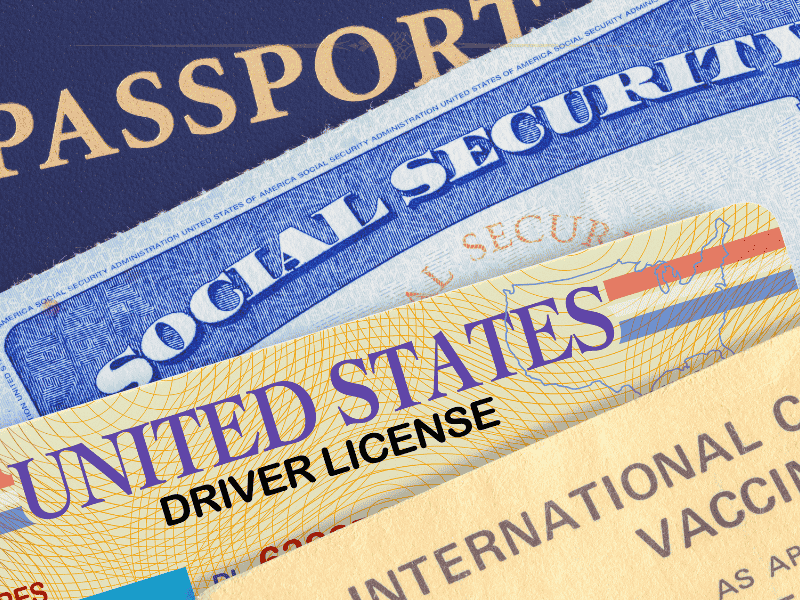
In a sweeping change that will affect air travelers nationwide, Americans have until May 7, 2025, to obtain Real ID-compliant identification or risk being turned away at airport security checkpoints. The Department of Homeland Security has indicated this deadline is final, following multiple extensions since the law’s inception in 2005.
“The days of showing your regular driver’s license at TSA checkpoints are numbered,” explains a senior Transportation Security Administration official. The change will affect not only air travel but also access to federal buildings and military installations, marking one of the most significant shifts in domestic travel requirements in recent years.
At state DMV offices across the country, officials report increasing numbers of residents seeking to upgrade their identification documents. The process requires multiple forms of documentation:
- A valid Social Security number
- Proof of current address through two separate documents
- Birth certificate or passport
- Proof of lawful presence in the United States
The Real ID Act’s journey spans nearly two decades. Initially passed in response to security recommendations following the September 11 attacks, the law has faced numerous implementation challenges and delays. The COVID-19 pandemic prompted the most recent extension, pushing the deadline from 2023 to 2025.
Across the country, states report varying levels of Real ID adoption. Some states integrated the new standards into their regular license renewal processes years ago, while others are still working to bring their systems into compliance. DMV offices in several states report appointment backlogs extending several weeks as residents rush to obtain compliant identification.
Alternative Options
While Real ID will become the standard for domestic air travel, alternatives remain available. U.S. passport books and cards, military IDs, and other federally issued identification documents will continue to be accepted at security checkpoints. However, for most Americans who rely on state-issued identification for air travel, obtaining a Real ID-compliant document will be essential.
Transportation officials paint a stark picture of what travelers might face without proper identification after the deadline. Missed flights, lengthy security delays, and potential travel disruptions await those who fail to obtain compliant documentation before the cutoff date.
Airlines and airports are already preparing for the transition. Major carriers have begun incorporating Real ID reminders into their booking processes and customer communications. Airport authorities are updating signage and training staff to handle the new requirements.
The approaching deadline has sparked mixed reactions from the traveling public. While some travelers have already obtained their Real ID-compliant documentation, others express frustration with the additional requirements and documentation needed for the new identification standard.
Recent surveys indicate that a significant portion of the American public remains unaware of the impending requirements. This knowledge gap concerns transportation officials, who fear last-minute rushes could overwhelm state licensing offices as the deadline approaches.
The Real ID program represents a significant upgrade in identification security. The enhanced documents include multiple security features designed to prevent forgery and tampering, marking a substantial improvement over traditional state-issued identification.
The implementation carries substantial economic implications. State governments have invested millions in updating systems and training staff to handle the new requirements. For individual travelers, while the direct cost remains relatively modest at around $30, the potential cost of non-compliance – in terms of missed flights and travel disruptions – could be substantial.
Current estimates suggest that less than half of Americans have obtained Real ID-compliant identification. With approximately 2.4 million passengers passing through TSA checkpoints daily, the potential for disruption after the deadline remains significant.
State DMV offices report processing thousands of Real ID applications weekly, but concerns persist about whether current processing rates will be sufficient to meet demand as the deadline approaches.
Transportation officials emphasize that while the May 2025 deadline may seem distant, the time to act is now. With processing times varying by state and location, waiting until the last minute could leave travelers unable to board their flights when the new requirements take effect.
The message from federal authorities is clear: the era of standard state IDs for air travel is coming to an end. As the countdown to May 7, 2025, continues, millions of Americans face a choice – adapt to the new requirements now or risk significant travel disruptions in the future.