
The iconic white-washed buildings of Santorini, perched dramatically on volcanic cliffs, have long drawn visitors from around the world. However, recent seismic activity has cast a spotlight on the island’s geological volatility, raising questions about travel safety in one of Greece’s most beloved destinations.
The picturesque Aegean archipelago has experienced hundreds of tremors in recent days, with the seismic activity centered around Santorini and neighboring islands including Anafi, Ios, and Amorgos. In response to these developments, Greek authorities have implemented precautionary measures, including school closures and increased flight operations to facilitate evacuations to Athens for those who wish to leave.
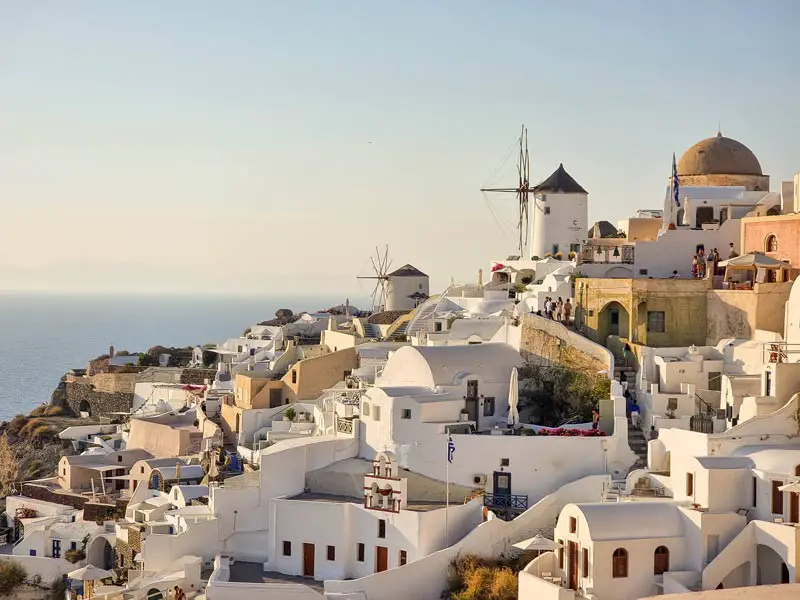
Santorini’s stunning caldera views and dramatic landscape are direct results of its volcanic origins. The island sits atop one of the Mediterranean’s most significant geological features – the Hellenic Arc, where the African tectonic plate slides beneath the Eurasian plate. This location has shaped not only the island’s breathtaking beauty but also its seismic character.
The island’s most famous geological event occurred over three millennia ago when one of the largest volcanic eruptions in recorded history reshaped the entire region. This historical context helps explain why seismic activity, while concerning, is not unprecedented in the area. Modern Santorini essentially occupies the rim of this ancient volcanic caldera, making it particularly sensitive to geological movements.
Current Travel Status
Unlike peak tourist season, winter sees relatively few international visitors to Santorini. The island’s infrastructure continues to function normally, with the airport maintaining regular operations. However, transportation options have been expanded, with Greek carriers Aegean Airlines and Sky Express adding supplementary flights between Santorini and Athens to accommodate those seeking to leave the island.
Greek authorities have implemented specific safety protocols, with particular attention to potentially vulnerable areas. Several coastal zones have been designated as restricted areas, including the ports of Amoudi, Armeni, Korfos, and the Old Port (Paleos Limenas). These restrictions aim to protect visitors and residents from areas that might be more susceptible to seismic impacts.
Understanding how to respond during an earthquake can significantly improve safety outcomes. When indoors, the primary recommendation is to seek shelter under sturdy furniture, preferably a solid table or desk, while maintaining a firm grip on the furniture’s leg. If such protection isn’t available, experts advise kneeling in the room’s center, minimizing your height, and protecting your head and neck with your hands.
For those caught outdoors during a seismic event, the key is to move away from buildings and utility infrastructure such as electric or telephone cables. If driving, the safest approach is to carefully navigate to an open area, avoiding tunnels, bridges, and overpasses. When stopping, it’s crucial to position your vehicle so as not to impede emergency response traffic.
In public spaces such as shopping centers or entertainment venues, remaining calm is paramount. The greatest risk in such situations often comes not from the earthquake itself but from panic-induced crowd movements. Staying in place until the tremors subside is generally safer than rushing toward exits.
Travel Insurance and Booking Considerations
The current situation presents a complex scenario for travelers with existing bookings or those considering future visits. Standard travel insurance policies typically maintain coverage as long as official government travel advisories don’t explicitly warn against visiting the region. Currently, while authorities are monitoring the situation closely, there are no warnings against travel to Santorini.
For those with upcoming bookings who may feel uncomfortable proceeding with their plans, options might be limited. Tour operators and airlines generally treat seismic activity in geologically active regions as a known risk, meaning standard cancellation policies apply. Some travel providers may offer flexibility in changing destinations, but this varies by company and booking terms.
Greece’s location at the intersection of major tectonic plates means that seismic activity is an inherent part of the region’s natural character. The country has developed robust emergency response systems and building codes specifically designed to address these geological challenges. Modern structures on Santorini are built to withstand significant seismic events, though historical buildings may be more vulnerable.
Greek authorities maintain sophisticated seismic monitoring networks that provide early warning and ongoing assessment of geological activity. The Ministry of Climate Crisis and Civil Protection regularly updates its guidance based on real-time data and scientific analysis. Visitors to the region can stay informed through official channels and their respective embassy services.
While seismic activity can cause understandable concern, it’s worth noting that local communities have coexisted with these geological conditions for generations. The current situation has prompted a measured response from authorities, balancing safety considerations with the practical needs of residents and visitors. Tourism infrastructure remains largely unaffected, though certain precautionary measures may impact access to specific attractions or areas.
Practical Considerations for Visitors
For those currently on the island or planning future visits, staying informed through official channels is crucial. Hotel staff and local authorities are typically well-versed in safety protocols and can provide specific guidance relevant to your location. Maintaining a charged mobile phone, keeping important documents easily accessible, and familiarizing yourself with emergency exits and procedures in your accommodation are sensible precautions.
The decision to travel to seismically active regions ultimately remains a personal choice. While the current situation warrants attention and respect for safety guidelines, it’s worth remembering that millions of visitors have safely enjoyed Santorini’s remarkable beauty over the years, even with its known geological characteristics. By staying informed and following local guidance, visitors can make educated decisions about their travel plans while being prepared for various scenarios.