
Americans who travel to Europe have never had to apply for anything in advance beyond a valid passport. Show up at the airport, board the flight, arrive at the European border, get stamped, and go. That process, which has defined transatlantic travel for generations of American tourists, business travelers, and expats, is about to change.
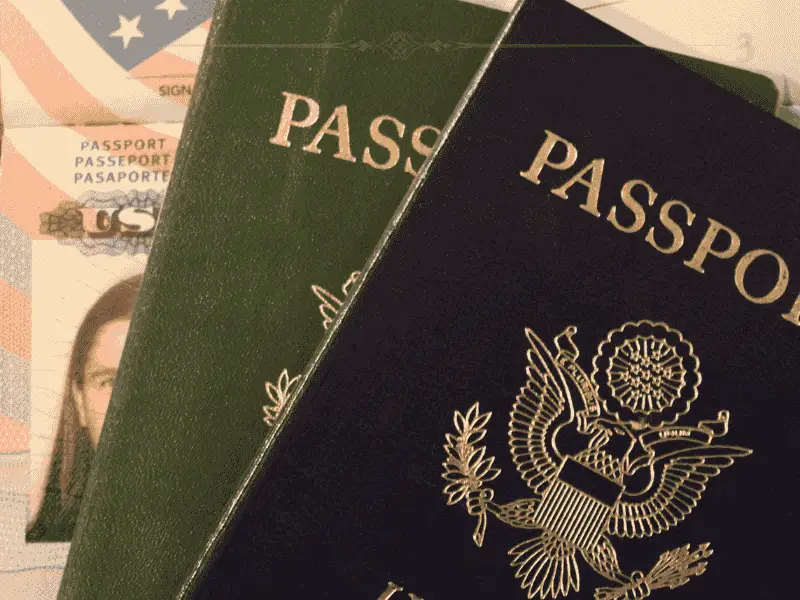
The European Union is in the final stages of implementing a pre-travel authorization system called ETIAS, the European Travel Information and Authorisation System. Once it is fully operational and mandatory, any American planning a trip to Europe will need to apply for and receive this authorization before boarding a flight to the Schengen Area. The system works on the same basic principle as the American ESTA, which foreign visitors use before traveling to the United States: submit information online, pay a fee, receive an electronic permit, and travel. For Americans who have ever helped a foreign guest navigate the ESTA process, ETIAS will feel immediately familiar.
The timeline, the cost, what the application requires, and when exactly Americans will need one are all questions with specific answers. Some of those answers are more complicated than they might initially appear, because the rollout of ETIAS depends on another EU border system, the Entry/Exit System, being fully operational first, and that system has been experiencing significant implementation challenges since it went live in April 2026.
What ETIAS Actually Is and What It Does
ETIAS is a pre-travel authorization permit that applies to nationals of countries that currently enjoy visa-free access to the European Schengen Area. Americans are squarely in this category. The United States is one of approximately 59 countries whose citizens do not need a traditional visa to visit Europe for short stays, and it is exactly those travelers that ETIAS targets.
The purpose of the system, as defined by the EU, is to give border authorities more information about who is traveling to Europe before those travelers actually arrive. By requiring pre-travel registration and running applicants against relevant databases before they board a plane, the EU aims to identify people who should not be permitted entry before they reach the border, rather than at it.
The cost of an ETIAS authorization is 20 euros, which converts to approximately 22 US dollars at current exchange rates. Once approved, the authorization is valid for three years or until the passport used to apply for it expires, whichever comes first. Within that validity period, Americans can make multiple trips to the Schengen Area without applying again, as long as each individual stay does not exceed 90 days within any 180-day rolling period. That 90/180 rule is the existing restriction that governs how long Americans can spend in Europe without a visa, and ETIAS does not change it. It simply adds a pre-travel step to the process of using that visa-free access.
The Schengen Area where ETIAS will apply covers 29 countries, including France, Italy, Spain, Germany, Portugal, the Netherlands, Austria, Switzerland, Greece, and two dozen others. Ireland is not part of the Schengen Area and will not require ETIAS. Americans traveling to Ireland only can ignore the ETIAS requirement entirely, though any onward travel to Schengen countries will trigger it.
When Will Americans Actually Need to Have One?
This is where the timeline requires careful explanation, because the answer is not as simple as a single launch date.
ETIAS is expected to launch in the final quarter of 2026, meaning sometime between October and December of this year. However, the launch of the system does not immediately make it mandatory. The EU has built in a transitional period of at least six months after launch during which ETIAS will be available and encouraged but not required. During this transitional period, Americans who arrive without an ETIAS authorization will not be refused entry as long as they meet the other standard entry requirements, principally having a valid passport.
After the transitional period ends, there is then an additional grace period of at least six months that applies on a one-time basis. An American who has not yet used their single grace period entry can cross into the Schengen Area once without an ETIAS, even after the transitional period has concluded. That grace period applies specifically to travelers who are visiting Europe for the first time since the end of the transitional period. Anyone who has already traveled to Europe and used their grace period entry will be refused entry without an ETIAS after that point.
Working through the arithmetic: if ETIAS launches in October 2026, the transitional period runs until at least April 2027. The one-time grace period could then extend the practical deadline for a first-time ETIAS-free crossing to as late as October 2027 for Americans who have not yet traveled to Europe post-launch. But any American who travels to Europe after the transitional period and uses their single grace period entry will need an ETIAS for every subsequent trip.
The practical advice from travel experts who have been tracking this closely is not to rely on the grace periods as a planning strategy. The EU’s clear direction of travel is toward mandatory ETIAS as the normal condition of travel, and anyone planning European trips in 2027 and beyond should plan around having one rather than around the possibility of avoiding the requirement.
What the Application Process Will Involve
The ETIAS application will be submitted through an official EU website and app. At the time of writing, the application infrastructure is still being built out, and any website currently claiming to process ETIAS applications or offering advance applications is not legitimate. The only official ETIAS source is europa.eu/etias, and any other site claiming to handle ETIAS applications should be treated with extreme caution. Scam sites are already operating in anticipation of the system going live, some using EU logos illegally, some charging fees far above the official 20-euro rate, and at least one claiming to have already processed hundreds of applications that are impossible since the system does not yet accept them.
When the legitimate system launches, the application will require Americans to submit a standard set of personal information: name, address, contact details for their stay in Europe, passport information, and employment or educational details including job title, employer name, or the name of an educational institution for students. Applicants will also need to state the purpose of their visit, indicate which Schengen country they intend to enter first, and provide an address for their first night in Europe.
That last requirement sometimes causes concern among travelers who prefer to plan loosely, arriving without confirmed accommodation and making decisions on arrival. The EU has addressed this directly: the address provided at the time of application does not bind the traveler to that location. Once the ETIAS is granted, travel plans can change freely. The address is a data point for the application, not a commitment about where the traveler will actually stay.
Applicants must also disclose any serious criminal convictions from the past 15 years, or 25 years in the case of terrorism-related offenses. The list of relevant offenses is substantial and covers serious crimes including violent offenses, financial crimes, and organized criminal activity. Americans with clean records will not be affected by this requirement. Those with relevant convictions should be aware that the application will be flagged and will undergo additional review.
How the System Processes Applications
The EU aims to process most ETIAS applications within minutes. A straightforward application from a traveler with no flags in any of the relevant databases should receive approval quickly and without requiring any additional action. That is the expected experience for the vast majority of American applicants.
When an application does generate a match against EU databases, Interpol records, or an ETIAS-specific watch list, the process becomes longer. The applicant may be asked to provide additional information or, in some cases, to participate in an interview with national authorities that can take up to an additional 30 days. For Americans planning European travel, the EU strongly recommends applying for ETIAS before purchasing flights or booking hotels, precisely because the small percentage of applications that require extended review could affect travel timing if the process is started too close to the departure date.
For the straightforward majority of applicants, the practical advice will be to apply well in advance but not to panic about the timeline. An application submitted a week or two before travel is likely to be processed in time. An application submitted on the morning of departure is taking an unnecessary risk even if most approvals are fast.
What ETIAS Approval Does and Does Not Guarantee
An important point that Americans should understand before their first ETIAS application is that approval does not guarantee entry into the Schengen Area. The EU is explicit about this. Holding a valid ETIAS authorization means the traveler has been pre-screened and pre-approved to travel to the border. At the actual border, the traveler is still subject to standard border checks, and entry can still be refused if the border officer determines that entry conditions are not met.
This is identical to how the American ESTA works. Foreign visitors with approved ESTAs can still be turned away at a US port of entry by Customs and Border Protection if officers have grounds to deny entry. The pre-authorization system reduces the likelihood of entry being refused by doing significant screening in advance, but it does not create an absolute right to cross the border.
Similarly, ETIAS approval can be revoked. The EU can cancel an authorization if circumstances change between the time of approval and the time of travel. This is unlikely for the overwhelming majority of travelers but is a legal possibility that the system is designed to accommodate.
The Connection to the EES System and Why the Timeline Is Uncertain
ETIAS cannot launch until the EU’s Entry/Exit System is fully operational, because ETIAS is built on the foundation of EES. The EES creates the digital border registration database that ETIAS cross-references when processing applications. Without a functioning EES, the ETIAS screening process cannot work as designed.
The EES officially launched on April 10, 2026, but its rollout has been notably uneven. The system requires biometric registration of non-EU travelers at Schengen borders, and the infrastructure at many airports has been struggling to handle peak passenger volumes without generating significant delays. Some airports have been processing travelers efficiently. Others have seen queues that stranded passengers and in some cases caused people to miss flights. Several countries have temporarily modified or suspended certain EES requirements during the rollout period as a practical response to the operational challenges.
The EU has maintained that ETIAS will launch in the last quarter of 2026 regardless, but the actual readiness of the EES infrastructure at that point will influence whether the stated timeline holds. Americans monitoring the situation in advance of European travel should watch for official EU announcements about ETIAS launch timing, which the EU has committed to providing several months before the system goes live.
How Airlines Will Handle ETIAS Compliance
Once ETIAS becomes mandatory, airlines will be required to verify that their passengers have valid ETIAS authorizations before allowing them to board flights to Schengen countries. This is the same mechanism that currently operates for American ESTA compliance, where airlines check ESTA status as part of the check-in process.
American travelers who have ever been asked by an airline to show their ESTA number when checking in for a flight to the United States from abroad will recognize this process. For outbound travelers from the US heading to Europe, the ETIAS check will become part of the standard pre-boarding verification. An American without a valid ETIAS authorization during the mandatory period would not be permitted to board the flight.
Airlines are learning from the early post-Brexit passport rule period, when some carriers made errors in how they applied new entry requirements and caused unnecessary complications for travelers. The aviation industry is being informed well in advance about the transitional and grace periods of ETIAS specifically to avoid a repeat of those issues. During the transitional period when ETIAS is optional, airlines should not be refusing boarding to passengers who lack authorization.
The Scam Warning Every American Planning to Apply Should Read
Before any official ETIAS application infrastructure exists, scam websites are already operating, and Americans should be aware of this risk before the system launches.
The only legitimate ETIAS application will be processed through the official EU infrastructure at europa.eu/etias. Any other website claiming to process ETIAS applications, particularly those charging fees above the official 20 euros, offering discounts for early applications, or claiming to have already processed applications, is not legitimate and should not be trusted with personal information or payment details. Several scam sites have been documented already using EU logos without authorization, which is both illegal and designed to create an appearance of legitimacy that these sites do not have.
Travelers who submit personal passport information and payment details to unofficial ETIAS sites face two distinct risks: being charged inflated fees for a service that either does not produce a valid authorization or that the site is simply collecting without any ability to fulfill, and identity theft through the unauthorized collection of passport data and personal information. The EU’s border agency Frontex has issued specific warnings about this risk, and American travelers accustomed to navigating ESTA applications through official US government channels should apply the same official-source discipline to ETIAS when it becomes available.
What Americans Should Do Right Now
For Americans with European travel planned in 2026, ETIAS is not yet required and will not be required during the remainder of this year even if the system launches on schedule in the final quarter. The current requirement for entering the Schengen Area remains a valid US passport with appropriate validity, and the biometric registration through the EES system at the border.
For Americans planning European travel in 2027, ETIAS will almost certainly be part of the pre-travel process in some form, either as a voluntary authorization during the transitional period or as a mandatory requirement once that period concludes. Building ETIAS into the planning process for any 2027 European trip, the same way building an ESTA into planning for a foreign visitor coming to the US is standard practice, is the sensible approach.
Monitoring the official EU communications about the ETIAS launch date, which the EU has committed to announcing several months in advance, and applying through only the official EU channel when the time comes are the two most important practical steps for American travelers. Europe remains as accessible and worth visiting as it has ever been. ETIAS adds a step and a small fee to the process of getting there, but it does not change what waits on the other side.