Travelers booking summer trips to Barcelona are discovering that their Spanish getaway just got significantly more expensive. The Catalan capital has implemented a dramatic increase in its tourist tax, effectively doubling the fees that visitors must pay for accommodations and pushing the city into the ranks of Europe’s costliest destinations.
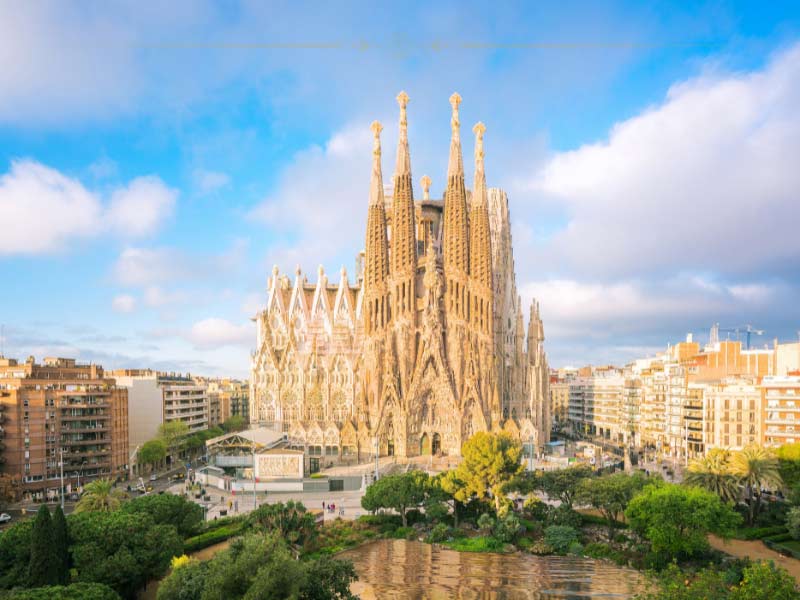
The tax hike represents the latest and most aggressive measure in Barcelona’s ongoing campaign to address what local officials and residents describe as an unsustainable flood of visitors overwhelming the city’s infrastructure, driving up housing costs, and degrading quality of life for year-round inhabitants. While tourism generates massive revenue for Spain’s economy, the price paid by communities hosting millions of annual visitors has sparked intense debate about whether the industry’s benefits justify its costs.
Barcelona’s decision to substantially raise visitor fees highlights broader tensions playing out across popular European destinations struggling to balance economic dependence on tourism against the social and environmental strains caused by ever-increasing visitor numbers. The city joins a growing list of locations implementing or considering similar measures as record-breaking tourist arrivals show no signs of slowing despite local resistance.
The New Cost Structure for Visitors
The Catalonia parliament approved legislation that fundamentally restructured how much visitors pay to stay in Barcelona. The changes affect different types of accommodations in distinct ways, creating a tiered system based on lodging category and rental type.
Holiday rental properties bore the most dramatic increase. Previously, guests staying in short-term vacation rentals paid a tourist tax of six euros and twenty-five cents per person per night. Under the new rules taking effect this spring, that rate jumped to twelve euros and fifty cents, representing an exact doubling of the previous charge.
For a family of four spending a week in a Barcelona vacation rental, the tax alone now totals three hundred fifty euros before considering the actual rental cost, meals, attractions, or any other travel expenses. This substantial sum transforms the tourist tax from a minor line item into a significant component of overall trip budgets.
Hotel guests face a more complex fee structure that varies according to accommodation quality. Starting in April, visitors staying in Barcelona hotels pay between ten and fifteen euros per person per night depending on their hotel’s star rating. Five-star properties command the highest nightly tax of fifteen euros, while lower-category hotels charge proportionally less.
A couple spending five nights in a premium Barcelona hotel would pay one hundred fifty euros in tourist taxes on top of their room rate. This amount exceeds what many budget travelers spend on entire nights of accommodation in less expensive European cities, illustrating how substantially the fees affect travel costs.
Cruise passengers visiting Barcelona represent the only major visitor category avoiding increased charges. These travelers continue paying the existing six euro tax regardless of the changes affecting land-based accommodations. The decision to exempt cruise visitors from higher fees has drawn criticism from those who argue that cruise ships contribute disproportionately to Barcelona’s overtourism problems while paying relatively little.
Why Barcelona Raised the Fees
City officials framed the tax increase as a necessary response to tourism volumes that have exceeded Barcelona’s capacity to absorb visitors without serious negative consequences for residents. The dramatic fee hike aims to accomplish multiple objectives beyond simply generating additional revenue.
Deterrence represents a primary goal of the doubled taxes. By making Barcelona substantially more expensive to visit, authorities hope to reduce overall visitor numbers or at least slow the year-over-year growth that has characterized recent tourism trends. The theory holds that some potential visitors will choose alternative destinations when confronted with Barcelona’s elevated costs.
Revenue generation serves as the second major purpose driving the tax increase. Tourism brings money into city coffers, but it also creates expenses as infrastructure endures heavy use, services strain to accommodate visitor demands, and various costs arise from hosting millions of temporary residents annually. Higher tourist taxes theoretically allow cities to capture more revenue from the activity generating these expenses.
Barcelona designated a specific portion of the new tax revenue for affordable housing initiatives. Twenty-five percent of funds collected through the doubled tourist tax will flow toward programs aimed at addressing the housing crisis affecting Barcelona residents. This allocation acknowledges the direct connection between tourism industry growth and housing affordability challenges.
The housing link reflects one of residents’ primary grievances about overtourism impacts. As property owners convert long-term residential rentals into more lucrative short-term vacation accommodations, housing stock available to locals shrinks while competition for remaining units drives up prices. Many Barcelona residents find themselves priced out of neighborhoods where their families have lived for generations.
Concerns About the Impact
Barcelona’s hospitality sector responded to the tax increase with alarm and predictions of economic damage. Hotel operators and tourism industry representatives argued that doubling visitor fees would harm the city’s competitive position and drive travelers toward destinations with lower costs.
The Barcelona Hotel Guild expressed frustration that city officials ignored industry proposals for gradual tax increases that would allow time to assess impacts before implementing further hikes. Hotel representatives advocated for a measured approach that would let stakeholders observe how visitors responded to modest increases before escalating to the dramatic doubling actually implemented.
Industry warnings invoked the metaphor of killing the goose that lays golden eggs, suggesting that excessive taxation or regulation of tourism could destroy the very economic engine that Barcelona depends upon. The tourism sector represents a substantial portion of Barcelona’s economy, and dramatic declines in visitor numbers would ripple through businesses far beyond just hotels and vacation rentals.
Hotels particularly objected to the differential treatment between vacation rentals and traditional accommodations. While holiday rentals saw their taxes double, hotels faced variable increases depending on their category. Some industry representatives argued that this approach unfairly targeted the vacation rental sector that many residents blame for housing shortages.
The broader Spanish tourism industry watches Barcelona’s experiment with considerable nervousness. Tourism accounts for twelve percent of Spain’s entire gross domestic product and generates more than one hundred billion euros annually. Any measures that significantly reduce tourist arrivals to major Spanish destinations could have serious national economic consequences.
However, industry opposition faces an unsympathetic public in Barcelona where residents have made clear their frustration with tourism impacts overwhelms any economic benefits they personally receive. The political calculus increasingly favors policies addressing resident concerns over protecting tourism industry interests.
The Overtourism Crisis Driving Policy
Understanding why Barcelona implemented such aggressive tax increases requires examining the overtourism conditions that have made the city increasingly unlivable for permanent residents. Multiple factors combine to create situations where locals feel their city has been effectively taken over by visitors.
Crowding represents the most visible manifestation of overtourism. Popular neighborhoods and attractions in Barcelona experience constant throngs of visitors photographing landmarks, patronizing restaurants and shops, and generally filling public spaces. Residents conducting routine errands or commutes find themselves navigating seas of tourists consulting maps and blocking sidewalks.
The physical presence of massive visitor numbers creates secondary problems including noise pollution, litter accumulation, and wear on public infrastructure. Streets and plazas designed for local populations of specific sizes struggle to accommodate the additional load imposed by millions of annual visitors. Maintenance costs escalate while the visitor experience itself degrades as crowding reduces enjoyment.
Housing affordability emerges as residents’ primary complaint about tourism impacts. The economics of short-term vacation rentals create strong incentives for property owners to remove housing from the long-term rental market. An apartment that might generate one thousand euros monthly as a long-term rental can produce two or three times that amount when rented nightly to tourists through platforms like Airbnb.
This conversion of residential housing into tourist accommodations reduces available housing stock for locals while simultaneously increasing demand as the city’s appeal attracts new residents wanting to live in Barcelona. The resulting housing crisis has priced many long-term residents out of neighborhoods their families inhabited for generations.
Rising housing costs ripple through communities in multiple ways beyond just rent increases. Local businesses catering to residents struggle as their customer base gets displaced by more transient visitor populations. Neighborhood character changes as long-term residents leave and commercial spaces shift from serving daily needs to offering tourist-oriented goods and services.
Public services face strain from tourism volumes as well. Emergency services in popular Spanish destinations report responding to increased calls related to tourist behavior, from medical emergencies at parties to various accidents and incidents involving visitors unfamiliar with local conditions. Transportation systems built for specific resident populations struggle when visitor loads substantially increase overall usage.
Environmental impacts add another dimension to overtourism concerns. Increased visitors mean more waste generation, higher energy consumption, greater water usage, and additional strain on natural resources. Popular beaches and natural areas surrounding Barcelona suffer degradation from overuse that threatens long-term sustainability.
The Resident Backlash and Protests
Barcelona residents have moved beyond private complaints to public demonstrations against tourism volumes they consider intolerable. Each summer brings organized protests as locals march through tourist-heavy neighborhoods carrying signs and chanting slogans demanding action on overtourism.
These protests have gained international attention partly due to tactics employed by some demonstrators. Groups of protesters have used water guns to spray tourists dining at outdoor cafes or walking through popular areas, creating dramatic visuals that news media worldwide have covered extensively. The water gun incidents symbolize residents’ frustration boiling over into direct confrontation.
The protests aim to pressure local government to implement stronger measures controlling tourism numbers while also sending messages directly to visitors that their presence creates problems for people who actually live in Barcelona. Demonstrators want tourists to understand that their vacations contribute to making the city unlivable for permanent residents.
However, the protests have failed to actually deter tourism growth. Despite the negative publicity surrounding water gun incidents and broader anti-tourism sentiment, Barcelona continues attracting increasing visitor numbers. Spain overall welcomed nearly ninety-seven million visitors in 2025, representing more than three percent growth over the previous year.
This disconnect between resident opposition and continued tourism growth frustrates locals who see their concerns ignored by both government officials and tourists themselves. The feeling that authorities prioritize tourism revenue over resident wellbeing drives support for aggressive measures like the doubled tourist tax.
Barcelona’s inclusion on travel industry watch lists highlighting unsustainable tourism and cost-of-living pressures has done little to reduce visitor interest. If anything, the controversy may have increased Barcelona’s profile and attracted additional tourists curious about a destination generating such passionate debate.
Barcelona’s Tourism Restrictions
The doubled tourist tax represents only one component of Barcelona’s multi-pronged approach to addressing overtourism. City officials have implemented or announced additional measures targeting the vacation rental industry blamed for much of the housing crisis.
Last year, Barcelona announced plans to completely phase out short-term vacation rentals by 2028. This dramatic policy aims to return thousands of housing units currently operating as tourist accommodations back to the long-term rental market available for residents. If fully implemented, the vacation rental ban would fundamentally reshape Barcelona’s tourism industry.
The phaseout plan faces legal challenges and questions about enforcement feasibility. Property owners operating vacation rentals have significant financial stakes in continuing their operations and will likely resist through available legal channels. The technical challenges of identifying and stopping illegal short-term rentals have proven difficult in other cities attempting similar crackdowns.
Nevertheless, the vacation rental phaseout demonstrates Barcelona’s willingness to pursue aggressive policies that directly threaten tourism industry interests. Combined with the doubled tourist tax, these measures signal that city leadership has decided resident quality of life concerns outweigh tourism revenue considerations.
How Barcelona Compares to Other European Cities
Barcelona’s doubled tourist tax pushes it toward the upper end of European destination charges, though some cities still maintain higher fees. Understanding where Barcelona sits in the landscape of European tourist taxes provides context for whether the increases might actually deter visitors.
Amsterdam charges one of Europe’s highest tourist taxes at twelve and a half percent of nightly accommodation costs excluding value-added tax. This percentage-based approach means that taxes scale with accommodation prices, potentially reaching substantial sums for visitors staying in expensive hotels. A four-night stay in a one-hundred-dollar per night Amsterdam hotel would incur fifty dollars in tourist taxes alone.
Several United Kingdom cities have recently implemented or approved tourist taxes after years without such charges. Manchester, Glasgow, and Edinburgh now collect visitor fees, while London actively considers joining them. The UK’s late adoption of tourist taxes reflects changing attitudes about whether such charges serve appropriate purposes.
Other popular European destinations maintain tourist taxes at various levels, creating a patchwork where visitors face different charges depending on where they travel. Venice, Rome, Paris, and numerous other cities collect fees from overnight visitors, though amounts and structures vary considerably.
The proliferation of tourist taxes across Europe means that travelers planning multi-city trips increasingly budget substantial sums for these charges beyond accommodation base rates. The cumulative effect of paying tourist taxes in multiple cities can add hundreds of euros to trip costs for travelers visiting several destinations.
Questions About Tax Effectiveness and Fairness
Tourist taxes generate debate beyond just their amounts, with critics questioning whether they actually achieve stated goals and whether they create problematic equity issues. Evidence about tourist tax impacts remains mixed at best.
The deterrence theory underlying tourist taxes assumes that higher costs will reduce visitor numbers or at least slow growth. However, data from cities with existing tourist taxes suggests that price sensitivity varies considerably. Visitors to premium destinations often prove willing to absorb additional costs, particularly when fees remain modest relative to overall trip expenses.
Barcelona’s doubled tax represents a test of whether substantially higher charges can actually reduce visitor numbers in ways that modest taxes clearly have not. If tourists continue arriving in similar volumes despite the increased costs, it would suggest that price alone cannot solve overtourism problems in highly desirable destinations.
Revenue usage presents another source of controversy around tourist taxes. Transparency about how cities spend collected fees varies considerably, making it difficult for visitors or residents to assess whether funds serve their stated purposes. Some critics allege that tourist tax revenue flows into general municipal budgets where it funds activities unrelated to managing tourism impacts.
Barcelona’s commitment to direct twenty-five percent of tourist tax revenue toward affordable housing provides more specificity than many cities offer about fund usage. However, questions remain about whether the remaining seventy-five percent will fund tourism-impact mitigation or simply supplement general city revenues.
Equity concerns arise around tourist taxes particularly affecting travelers from less wealthy countries. While a fifteen euro per night charge may seem modest to visitors from Western Europe or North America, it represents more substantial burden for tourists from developing nations. Critics worry that tourist taxes make European travel increasingly elitist and inaccessible to non-Western visitors.
The counter-argument holds that if destinations cannot sustainably accommodate current visitor volumes, some mechanism must reduce numbers or generate funds to address impacts. Tourist taxes represent one approach, though hardly the only possible method for managing overtourism challenges.
The Broader European Tourism Context
Barcelona’s aggressive tourist tax increase occurs within a broader context of surging European tourism that shows no signs of slowing despite various deterrence efforts. Understanding regional trends helps explain why individual cities feel compelled to take dramatic action.
International tourism hit one and a half billion travelers in 2025 according to United Nations figures, representing sixty million more international trips than the previous year. This relentless growth continues despite economic uncertainties, geopolitical tensions, and various challenges affecting global travel.
Europe captured the largest share of international arrivals with seven hundred ninety-three million visitors. The continent’s combination of historical attractions, cultural offerings, relatively compact geography enabling multi-country trips, and generally good infrastructure makes it consistently popular with global tourists.
Some European destinations experienced particularly dramatic growth with Iceland, Norway, Uzbekistan, and Cyprus recording double-digit increases in visitor arrivals. The emergence of new destinations and the continued popularity of established ones means that tourism demand shows no signs of moderating without active intervention.
This context explains why cities like Barcelona feel pressure to implement strong measures controlling visitor numbers. Passive approaches that hope tourism will naturally moderate have proven ineffective against powerful economic and social forces driving travel growth.
What This Means for Future Travelers
Visitors planning Barcelona trips need to factor the doubled tourist taxes into their budgets and recognize that the city has made clear its ambivalence toward attracting additional tourists. The message underlying both the tax increase and the vacation rental phaseout is that Barcelona would prefer fewer visitors even at the cost of reduced tourism revenue.
Budget travelers face particular challenges as tourist taxes represent larger percentages of overall trip costs for those staying in inexpensive accommodations and operating on tight budgets. A family attempting an economical Barcelona visit finds that mandatory fees consume larger portions of their available funds.
The vacation rental phaseout scheduled for 2028 will further reshape Barcelona tourism by eliminating accommodation options that many travelers prefer over traditional hotels. Visitors who favored renting apartments for the space, kitchen facilities, and local neighborhood experience will need to adjust to hotel stays or choose alternative destinations.
Barcelona’s trajectory suggests that other popular European destinations struggling with overtourism may implement similar aggressive measures. Travelers should anticipate increasing tourist taxes, additional regulations on accommodations, and general ambivalence from destinations that previously eagerly courted visitors.
The era of cheap, easy European travel appears to be ending for many popular destinations as cities prioritize resident quality of life over tourism revenue growth. Whether this shift will actually succeed in making these places more livable for locals while maintaining sustainable tourism industries remains to be seen.