Planning a European getaway this summer? You might want to think twice about some popular spots. According to a recent report by The Telegraph, several beloved tourist destinations are becoming increasingly hostile to visitors. From water pistol-wielding protesters to cities actively discouraging certain types of tourists, the landscape of European travel is changing. Let’s take a look at some of the places where you might not feel so welcome.
Barcelona: More Than Just Pickpockets to Worry About

Barcelona has long been a hotspot for tourists, but it seems the city has had enough. The Catalan capital tops the list with a hostility ranking of 7/10. Recent protests have seen demonstrators marching down La Rambla with signs reading “Tourism kills the city” and “Tourists go home.” But it’s not just angry words – some protesters have taken to squirting tourists with water pistols as they dine in restaurants.
The city’s beef with tourism isn’t new. Back in 2017, masked men attacked a tour bus, slashing its tires and spray-painting it. Some tourists thought it was a terrorist attack. Now, Barcelona is planning to ban all tourist apartments by 2029. So if you’re heading to Gaudí’s city, you might want to keep your head on a swivel – and maybe pack a raincoat.
Majorca: Sun, Sand, and Angry Locals
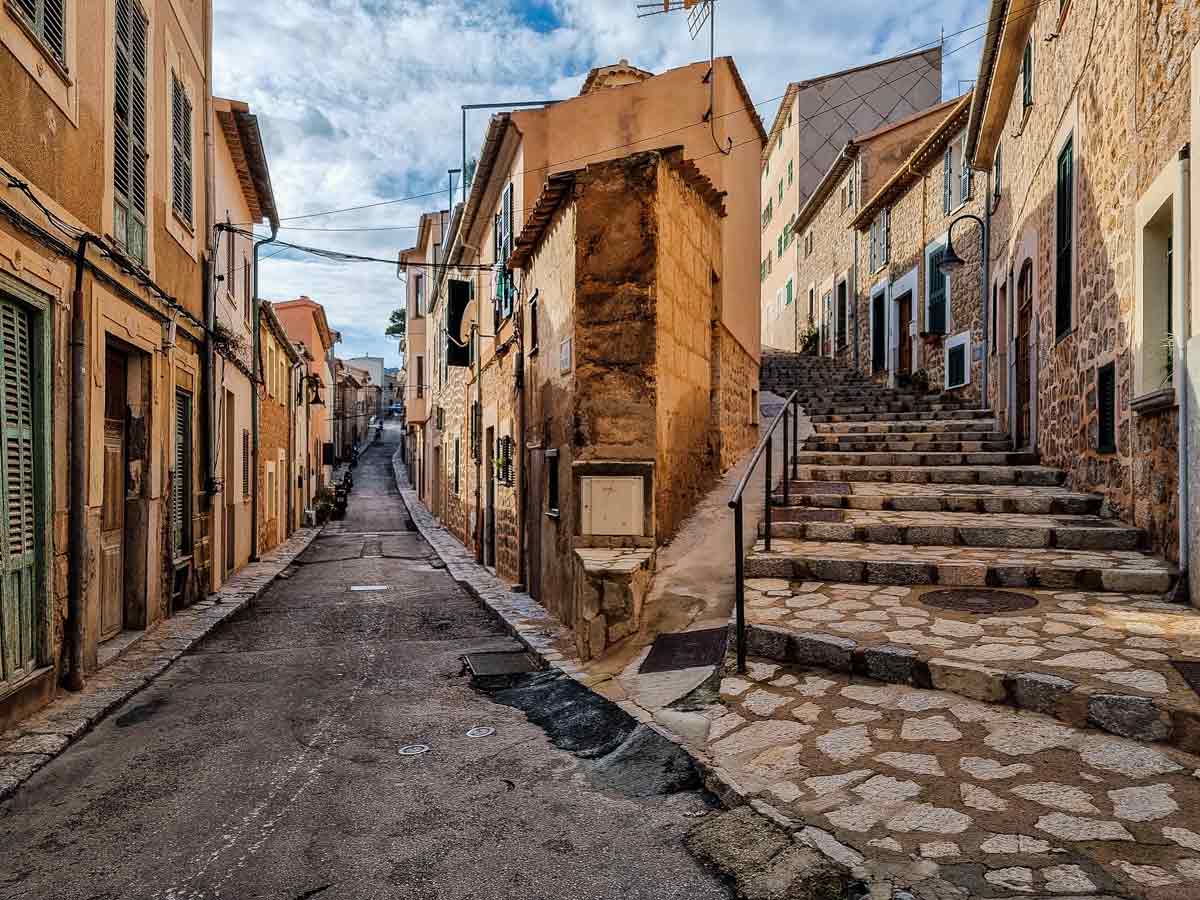
The beautiful Balearic island of Majorca comes in hot with a hostility ranking of 8/10. It seems paradise isn’t so peaceful these days. Protests are becoming a regular thing here, with locals marching against tourism and the lack of affordable housing.
Some demonstrations have gotten pretty creative. Protesters have occupied popular beaches, urging tourists to leave. There’s even talk of potentially blocking Palma Airport this summer. So if you’re dreaming of a relaxing beach vacation, Majorca might not be the chill spot you’re looking for.
Amsterdam: No More Stag Dos, Please
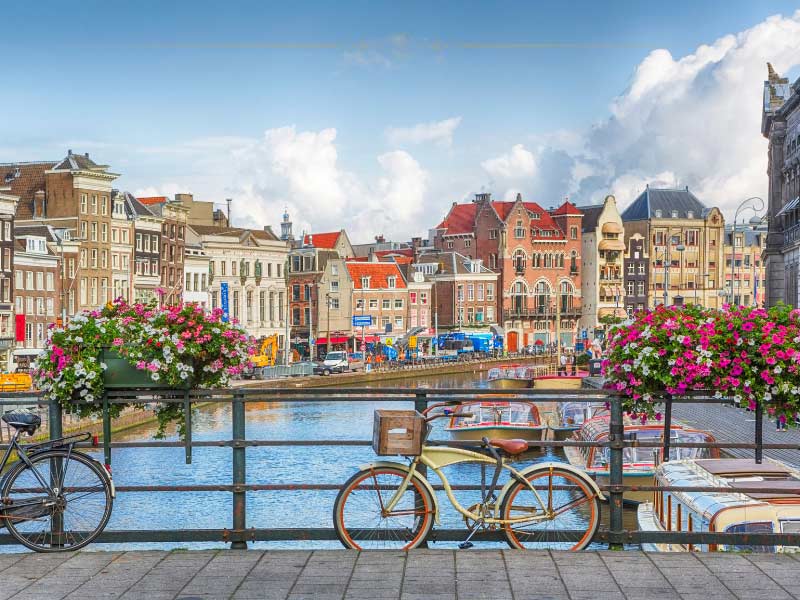
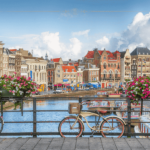
Amsterdam, once a haven for party-loving Brits, is now actively telling certain tourists to stay away. The city launched a “Stay Away” campaign targeting people searching for stag dos or wild weekends. They’ve even created misleading online surveys suggesting it’s forbidden to organize stag parties in the city.
But it’s not just the rowdy crowd they’re after. Amsterdam plans to ban cruise ships by 2035, with one political leader comparing the influx of tourists to a “locust plague.” With a hostility ranking of 7/10, it seems the Dutch capital is no longer rolling out the red carpet for everyone.
Venice: Pay to Play
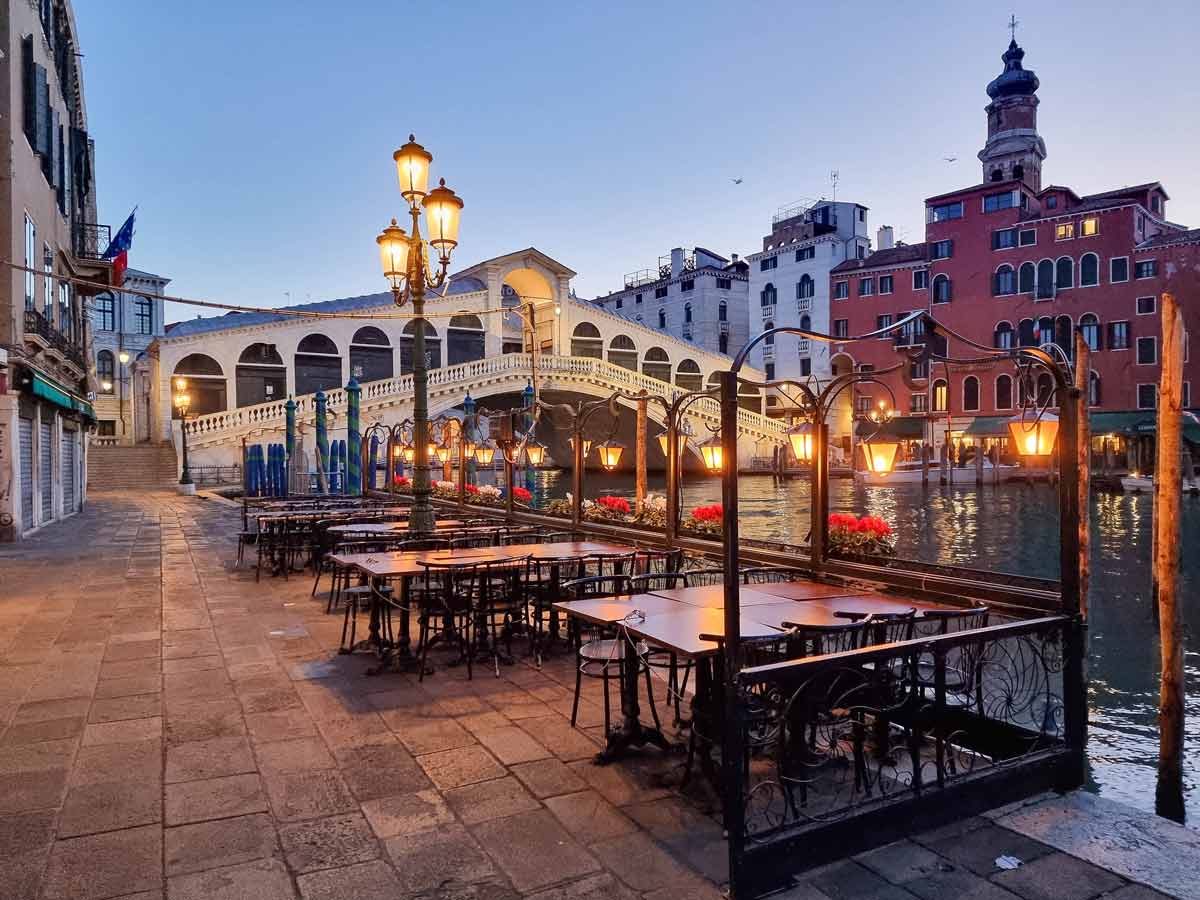
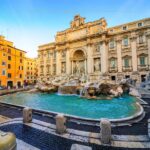
Venice, the floating city, has taken a unique approach to managing tourism. As of April 2024, day-trippers have to pay a €5 fee just to enter the city. This move has sparked protests, with locals marching through the narrow streets holding banners proclaiming “Welcome to Veniceland.”
The city has a history of trying to curb tourism, from banning cruise ships in the historic center to patrolling the streets to stop people from loitering. While you probably won’t face open hostility here, don’t be surprised if you feel less than welcome in some areas. Venice scores a 6/10 on the hostility scale.
Other Notable Mentions
Split in Croatia is cracking down on rowdy behavior with hefty fines for public urination and sleeping in public spaces. Tenerife, despite being a British favorite, is seeing graffiti pop up with messages like “Your paradise, our hell.” Even peaceful Croatia is showing signs of tourism fatigue.
What Does This Mean for Travelers?
It’s important to note that these destinations aren’t necessarily dangerous for tourists. The hostility is more about the impact of mass tourism on local life rather than individual visitors. However, it’s a wake-up call for travelers to be more mindful of their impact.
If you’re planning to visit these places, consider traveling in the off-season, staying in locally-owned accommodations, and being respectful of local customs and residents. Remember, you’re a guest in someone else’s home.
The rise in anti-tourism sentiment is a complex issue, often tied to broader problems like housing affordability and environmental concerns. As travelers, we have a responsibility to consider how our visits affect the places we love.
So, before you book your next European adventure, do your research. You might find that the warmest welcome isn’t always in the most popular spots. And who knows? You might discover a hidden gem that’s actually excited to see you.