
In a surprising move that’s stirring up conversation in the travel industry, a low-cost airline has become the first in the world to offer a unique booking feature for its female passengers. This new system allows women to see the gender of other passengers when selecting their seats, potentially changing the way female travelers approach air travel.
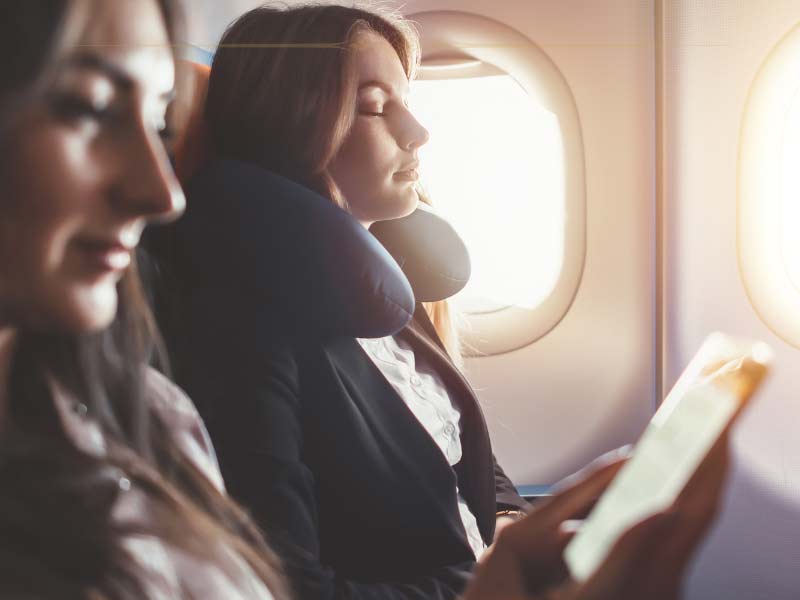
The innovative feature, currently in its pilot phase, is designed to enhance comfort and security for women flying with the Indian low cost airline IndiGo. When female passengers book their flights or check in online, they’ll now see seats occupied by other women highlighted in pink on the seating chart. This visual cue allows them to choose seats next to other female passengers if they prefer.
It’s important to note that this feature is exclusively available to female travelers. Male passengers will not have access to this gender-specific information during the booking process. The airline states that this decision is based on extensive market research and aligns with their commitment to women’s empowerment.
A spokesperson for the airline explained, “We’re proud to introduce this feature aimed at making the travel experience more comfortable for our female passengers. It’s been introduced based on market research and is currently in pilot mode, aligning with our ethos of supporting women.”
The feature is available during the web check-in process and is tailored to bookings that include female travelers, whether they’re flying solo or as part of a family group. This means that women traveling with male family members can still utilize the feature if they wish to sit separately or ensure their daughter is seated next to another woman, for example.
This move raises interesting questions about gender dynamics in public spaces and the specific concerns that women might have while traveling. While some praise the initiative as a step towards addressing women’s safety and comfort concerns, others argue it could be seen as a form of gender segregation.
Proponents of the feature suggest that it could help women feel more at ease during flights, particularly on long-haul journeys or overnight flights where passengers might sleep. It could also be beneficial for women from cultural backgrounds where mixing with unrelated men is discouraged.
Critics, however, worry that such measures might reinforce gender stereotypes or imply that men are inherently threatening. There are also questions about how this system accounts for non-binary individuals or those who don’t conform to traditional gender categories.
The airline has not yet commented on whether they plan to extend this feature to other passenger groups or how they will handle situations where passengers might change seats after boarding.
This isn’t the first time airlines have experimented with gender-specific seating arrangements. Some Middle Eastern airlines have unofficial policies of not seating unrelated men and women next to each other. However, this appears to be the first time an airline has given passengers direct control over choosing to sit next to passengers of the same gender.
As the feature is still in its pilot phase, it remains to be seen how passengers will respond and whether it will be implemented permanently. If successful, it could potentially inspire other airlines to offer similar options, possibly extending beyond gender to include other passenger preferences or needs.
The introduction of this feature also opens up broader discussions about passenger comfort and safety in air travel. While airlines have long offered options like extra legroom or seats near emergency exits, this move into gender-specific seating represents a new frontier in customizable travel experiences.
As the travel industry continues to evolve and adapt to changing passenger needs and expectations, we may see more innovations like this in the future. Whether this particular feature becomes a trend or remains unique to this airline, it certainly highlights the ongoing conversation about how to make air travel more comfortable and inclusive for all passengers.
For now, female passengers flying with this Indian low-cost carrier have a new tool at their disposal when choosing their seats. As with any new feature, its success will ultimately be determined by passenger uptake and feedback. It will be interesting to see how this experiment in gender-specific seating plays out and whether it will change the landscape of air travel booking in the long term.



I’ve not experienced it on an airplane, but they have done that in Turkey on long distance coaches for a while on their electronic booking systems, and I prefer it. Also, when I took a minibus from Bucharest to Chisinau a few years back, I noticed the driver allocating seats to people travelling together and trying his best to seat females together. When I travel in Japan, I always try to reserve in the “Ladies Carriage”. I have nothing against men, but at such close quarters, I just prefer the company of females in general.