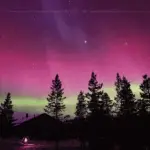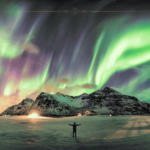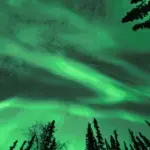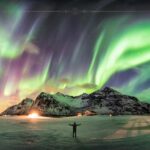
The night sky is preparing for an extraordinary performance as solar activity ramps up, promising a potential celestial light show that could transform evening landscapes from New York to Idaho. Astronomical enthusiasts and casual sky watchers are holding their breath in anticipation of a rare natural phenomenon that might illuminate the darkness with vibrant auroral displays.
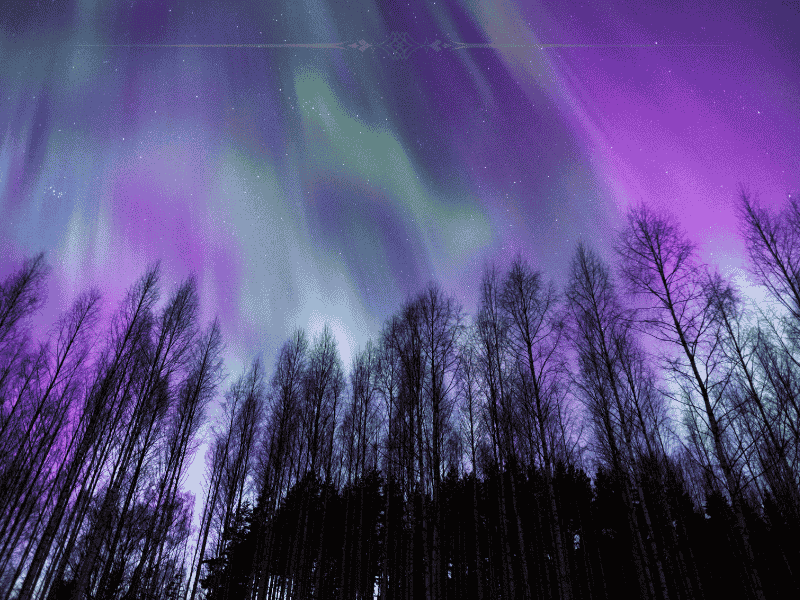
At the heart of this potential light extravaganza are two coronal mass ejections (CMEs) hurling towards Earth from the sun’s tumultuous surface. These massive solar eruptions, released on January 21 and 22, are now racing through space, carrying electrically charged particles that could interact dramatically with our planet’s magnetic field.
When these solar particles collide with Earth’s magnetosphere, they trigger a complex dance of energy and light. The interaction creates what scientists call geomagnetic storms – events that can transform the night sky into a mesmerizing canvas of moving colors and ethereal illumination.
Predicting the Unpredictable: Space Weather Forecasting
Space weather prediction is an intricate science, much like terrestrial meteorology but with even greater complexity. The current forecasts suggest a potential for minor to moderate geomagnetic storm conditions, classified on a scale that ranges from G1 (minor) to G5 (extreme).
The Kp index, a crucial measurement of geomagnetic activity, is expected to peak at 5.33 over the next 24 hours. This reading indicates a heightened probability of aurora visibility in regions typically unaccustomed to such celestial displays. For many northern and upper Midwest states, this could mean an unexpected opportunity to witness one of nature’s most breathtaking phenomena.
Where to Watch
While aurora chasers are most excited about potential sightings in northern states, the current solar storm configuration suggests an unusually broad viewing range. New York and Idaho stand out as particularly promising locations, offering residents a rare chance to experience the northern lights without traveling to Arctic regions.
The timing is equally critical. Experts predict the most promising window will be from 10:00 p.m. Eastern Time on January 24 through 4:00 a.m. Eastern Time on January 25. This narrow timeframe represents the optimal moment for potential aurora visibility.
The process of aurora creation is nothing short of miraculous. As solar ions hurtle towards Earth, they interact with our planet’s magnetic field, creating a complex electromagnetic ballet. When these charged particles collide with atmospheric gases, they release energy in the form of light – producing the mesmerizing, undulating colors that characterize the northern lights.
These light displays aren’t uniform; they can range from subtle green hues to dramatic curtains of red, purple, and blue that seem to dance across the sky. The specific colors depend on which atmospheric gases are involved in the interactions and the altitude of the collisions.
Modern technology has transformed aurora watching from a game of chance to a more predictable experience. Numerous smartphone applications now provide real-time space weather forecasts, helping enthusiasts maximize their chances of witnessing this extraordinary event.
These apps utilize data from sophisticated scientific instruments and satellites, offering location-specific predictions that can help sky watchers position themselves for the best possible view. While no prediction is guaranteed, these technological tools have significantly improved the odds of catching an auroral display.
Auroras have captivated human imagination for millennia. Indigenous cultures across the Northern Hemisphere have woven rich mythologies around these mysterious lights, interpreting them as everything from spiritual manifestations to messages from ancestral spirits.
In scientific terms, these displays represent more than just a visual spectacle. They are tangible evidence of the complex relationship between our planet and the sun, a reminder of the dynamic, interconnected nature of our solar system.
Preparation and Observation Tips
For those hoping to witness this potential light show, preparation is key. Ideal viewing conditions include clear, dark skies away from urban light pollution. Rural areas or locations with unobstructed northern horizons offer the best chances for aurora visibility.
Patience is equally important. Auroral displays can be fleeting and unpredictable, sometimes appearing and disappearing within minutes. Dressing warmly, bringing a comfortable chair, and having a camera ready can help maximize the experience.
Space weather, much like terrestrial weather, remains inherently uncertain. While current predictions suggest a promising scenario, the actual display could range from a subtle glow to a full-scale light extravaganza. Alternatively, atmospheric conditions might prevent any visible manifestation altogether.
This uncertainty is part of what makes aurora watching so thrilling. Each potential event carries the promise of an unexpected, unrepeatable moment of natural beauty.
As night falls across North America, millions will be looking skyward, hoping to catch a glimpse of this potential celestial performance. Whether the aurora makes a grand appearance or remains a subtle whisper, the very possibility represents a profound connection between our planet and the vast, mysterious universe that surrounds us.