As air travel continues to rebound, passengers are becoming increasingly aware of hygiene concerns in the confined spaces of aircraft cabins. While airlines have stepped up their cleaning protocols, some areas on planes remain hotbeds for germs and bacteria. This article explores the surprising locations where cleanliness might be compromised during your next flight.
Unexpected Germ Havens:
Tray Tables: Your Portable Petri Dish
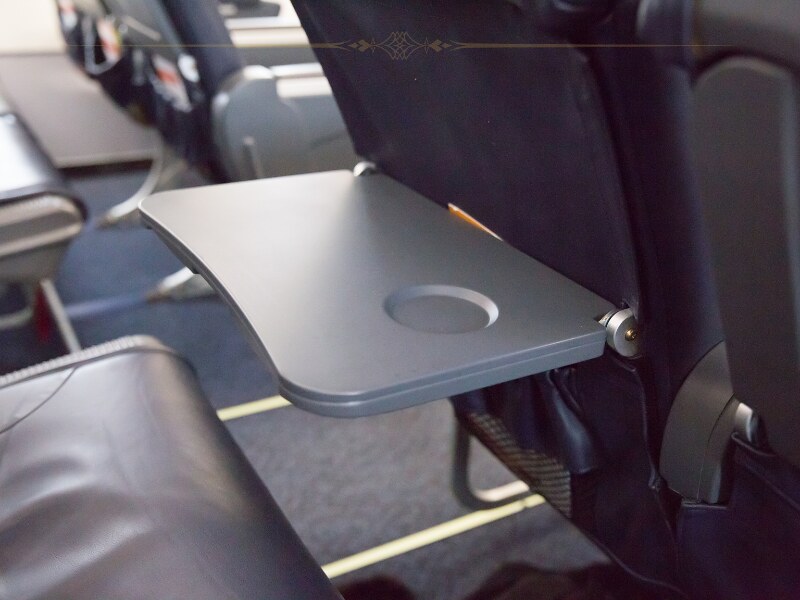
Despite their frequent use for meals and work, tray tables often receive less attention during cleaning routines than one might expect. These surfaces can harbor a startling amount of bacteria, potentially more than other high-touch areas on the plane. Studies have shown that tray tables can contain up to eight times more bacteria than lavatory flush buttons. Consider using sanitizing wipes before placing any items or food on these surfaces.
Seat Belt Buckles: Safety First, Hygiene Second
Essential for passenger safety, seat belt buckles are touched by every traveler but may not receive thorough sanitization between flights. The intricate design of buckles makes them challenging to clean quickly, allowing germs to accumulate in crevices. A quick wipe with a sanitizing cloth can provide an extra layer of protection.
Headrests: A Resting Place for More Than Just Your Head
Both heads and hands frequently come into contact with seat headrests, especially those in aisle seats used for balance. This dual-purpose touch point can accumulate oils, dirt, and germs over multiple flights. Some passengers have reported finding hair and even sticky residues on headrests. Bringing a small travel pillow or clean scarf to cover the headrest can be a simple solution.
Air Vents: Blowing More Than Just Cool Air
While adjusting your personal air vent might seem harmless, these rarely cleaned fixtures can collect and distribute germs from previous passengers. The constant airflow can also help spread airborne particles throughout the cabin. Consider using a tissue when adjusting the vent to minimize direct contact.
Hidden Dangers in Plain Sight
In-Flight Entertainment Screens: A Touchy Subject
These frequently used touchscreens are a playground for germs, with countless fingers tapping and swiping throughout multiple flights. Unlike personal devices, these screens are rarely, if ever, cleaned between users. Bringing your own device or using disposable gloves when interacting with the screen can reduce exposure.
Seat Pockets: A Grab Bag of Germs

Often overlooked during quick turnarounds, seat pockets can contain remnants from previous passengers, including used tissues and food debris. Flight crews have reported finding everything from dirty diapers to half-eaten food in these pockets. It’s best to avoid using them altogether or line them with a disposable bag if necessary.
Blankets and Pillows: Comfort with a Side of Caution
Unless sealed in plastic, these comfort items may have been used by multiple passengers without thorough cleaning in between. Airlines typically wash blankets every 5-30 days, depending on the carrier. Bringing your own travel blanket or warm layer is a safer alternative.
Bathroom Breakdown
Lavatory Door Handles: The Final Frontier of Filth
Perhaps unsurprisingly, bathroom door handles rank high on the list of germ-ridden surfaces, touched by all passengers, often with less-than-ideally washed hands. The confined space and humidity in airplane lavatories create an ideal environment for bacteria growth. Using a paper towel to open the door can provide a barrier between you and the handle.
Flush Buttons: A Necessary Evil

While unavoidable, toilet flush buttons are another hotspot for bacteria accumulation during flights. Some passengers even use their feet to flush, adding to the contamination. Using toilet paper as a barrier when flushing can help minimize direct contact.
Consumable Concerns
In-Flight Water: Not as Pure as You Think
The water used for coffee, tea, and even washing hands may come from tanks that aren’t cleaned as frequently as passengers might hope. EPA studies have found that one in every eight planes fails water safety standards. Opting for bottled water and avoiding tap water-based beverages is a safer choice.
Seatback Literature: A Novel Approach to Germ Exposure
Flight safety cards and magazines, while informative, can be handled by countless passengers without regular sanitization. These items are often overlooked during cleaning procedures. If you need to refer to safety information, consider taking a photo with your phone instead of handling the physical card.
Help Buttons: Assistance with a Side of Bacteria

These frequently touched buttons may be overlooked during routine cleaning, making them potential germ reservoirs. Like other electronic interfaces on the plane, they can accumulate bacteria from multiple users. Using a tissue or your knuckle instead of your fingertip can reduce direct contact.
Staying Safe in the Skies
While this list might seem daunting, there are several steps passengers can take to minimize their exposure to germs during air travel:
- Pack sanitizing wipes and use them on high-touch surfaces around your seat.
- Bring your own blanket or sweater for comfort.
- Use hand sanitizer frequently, especially before eating or touching your face.
- Consider bringing your own headphones or entertainment devices.
- Opt for bottled beverages when possible.
The Future of Cleaner Skies

Airlines are continually evolving their cleaning protocols to address passenger concerns. Some carriers are experimenting with new technologies like UV light sanitization and antimicrobial surfaces. However, the responsibility for maintaining a clean environment during flights is shared between airlines and passengers.
As the industry adapts to heightened hygiene awareness, travelers can expect to see more visible cleaning efforts and potentially new designs that prioritize easy sanitization. Until then, a little extra vigilance and personal preparation can go a long way in ensuring a more hygienic flight experience.
Conclusion
While air travel remains one of the safest forms of transportation, being aware of potential germ hotspots can help passengers take proactive steps to protect their health. By combining airline cleaning efforts with personal hygiene practices, travelers can reduce their exposure to harmful bacteria and enjoy a more comfortable journey.
Remember, the goal isn’t to induce panic but to empower passengers with knowledge. Armed with this information and a few simple precautions, you can focus on the excitement of your destination rather than worrying about what might be lurking on your armrest.
Safe and healthy travels!