United States travelers face mandatory electronic authorization requirement as Britain overhauls immigration system.
American travelers planning trips to the United Kingdom will soon face a mandatory new requirement that could upend last-minute travel plans if not handled in advance. Starting February 25, 2026, visitors from the United States and dozens of other countries will be unable to legally enter the UK without obtaining an Electronic Travel Authorisation, a digital permission system that represents a fundamental shift in how Britain manages incoming travelers.
The change affects citizens of 85 nationalities who currently enjoy visa-free travel to the United Kingdom. This includes not only Americans but also Canadians, Australians, and citizens of numerous European nations. The new system marks Britain’s most significant immigration policy change in recent years and signals a broader movement toward fully digitized border control systems that officials say will eventually enable contactless entry processes.
The End of Show Up and Go Travel
For decades, American passport holders have enjoyed the freedom to book flights to London, Edinburgh, or Manchester without advance government approval beyond possessing a valid passport. This straightforward arrangement allowed for spontaneous travel decisions, last-minute business trips, and flexible vacation planning that required no interaction with UK immigration authorities until arriving at the airport.
That era is coming to an end. Beginning in late February 2026, airlines and other transportation carriers will be required to verify that passengers hold valid Electronic Travel Authorisations before allowing them to board flights, trains, or ferries bound for the United Kingdom. Travelers who arrive at the airport without this digital permission will be denied boarding, regardless of their passport validity or travel history.
The enforcement date represents a crucial transition point. While the UK government launched the ETA system in October 2023, the requirement has not been strictly enforced during this initial rollout period. This grace period allowed travelers time to become familiar with the new system and gave airlines and transportation companies the opportunity to integrate ETA verification into their existing check-in procedures. The approach mirrors strategies used by the United States and Canada when implementing their own electronic travel authorization systems.
However, once the February 2026 enforcement date arrives, the grace period will conclude. From that point forward, attempting to travel without an ETA will result in being turned away at the departure gate, potentially disrupting carefully planned vacations, important business meetings, or family visits.
How the System Actually Works
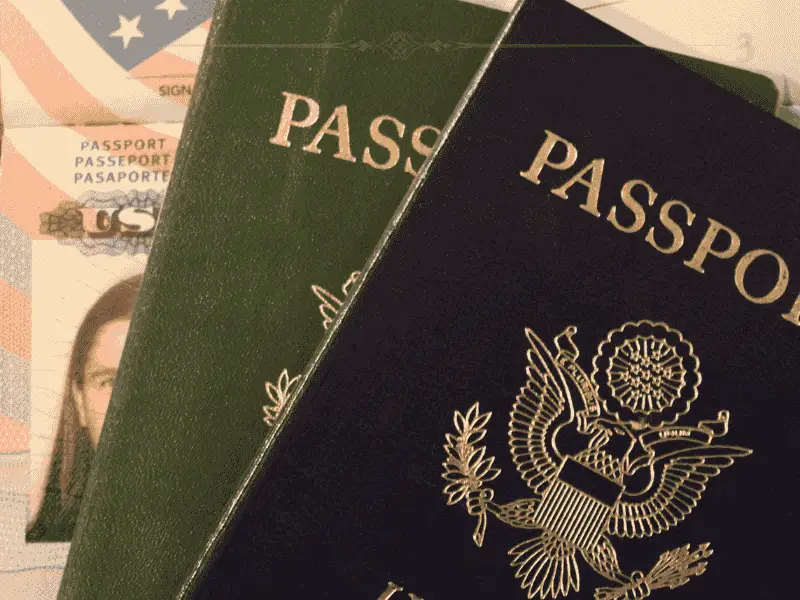
The Electronic Travel Authorisation functions as a digital permission slip linked directly to an individual’s passport. Once approved, the authorization remains valid for multiple entries to the UK over an extended period, eliminating the need to reapply before each trip. Travelers complete a single application process that grants them ongoing permission to visit Britain for tourism, business, or transit purposes.
The British government has developed a dedicated smartphone application specifically for ETA applications, positioning it as the primary and most efficient method for requesting authorization. The app guides users through a straightforward application process that collects biographical information, passport details, and answers to basic security screening questions.
The application fee stands at sixteen pounds, which converts to approximately twenty dollars at current exchange rates. British officials have emphasized that this pricing represents a competitive rate compared to similar systems operated by other nations. For context, the United States charges travelers from visa waiver countries twenty-one dollars for ESTA authorization, making the UK system slightly less expensive.
Processing times for ETA applications vary depending on individual circumstances. The vast majority of applications receive automatic approval within minutes through algorithmic review that cross-references applicant information against security databases and immigration records. However, UK authorities recommend allowing three working days for a decision to account for applications that require additional human review due to flags in the automated screening process or incomplete information.
Who Needs This Authorization
The ETA requirement applies broadly to visitors from nations that do not need traditional visas for short stays in the United Kingdom. American citizens represent one of the largest groups affected by this change, given the substantial volume of travel between the United States and Britain for tourism, business, and family visits.
Canadian travelers will also need to obtain ETAs before visiting the UK. The same requirement extends to citizens of Australia, New Zealand, Japan, and numerous other nations that have historically enjoyed visa-free access to Britain. European Union citizens, despite Brexit having altered the relationship between the UK and EU, will also fall under the ETA system, marking a significant change in how European nationals access Britain.
The system even captures travelers who do not plan to leave the airport during their journey. Passengers on connecting flights that route through UK airports and require passing through British passport control must obtain ETAs even if they never actually enter the country beyond the airport transit area. This provision has caught some travelers off guard during the grace period, as many people do not realize that certain connecting flights involve clearing immigration even for airport transfers.
British citizens are exempt from the ETA requirement regardless of where they currently reside or how long they have been abroad. Irish citizens also enjoy an exemption based on the Common Travel Area agreement that has existed between Britain and Ireland for decades. Individuals holding dual citizenship that includes British nationality are likewise exempt from needing an ETA.
However, the dual citizenship exemption creates an important caveat that has generated confusion and concern among affected travelers. Dual British-American citizens, for example, do not need an ETA, but they must prove their British citizenship when attempting to board transportation to the UK. British authorities strongly advise dual nationals to ensure they possess valid British passports or certificates of entitlement before the February 2026 enforcement date, as airlines will deny boarding to anyone who cannot demonstrate either an ETA or British citizenship status.
The Broader Digital Immigration Vision
The Electronic Travel Authorisation represents just one component of a much larger transformation in how the United Kingdom manages immigration and border control. British officials have articulated a vision for a fully digitized immigration system that would eventually eliminate physical stamps in passports, paper landing cards, and lengthy in-person processing queues at ports of entry.
This digital-first approach aims to create what authorities describe as a contactless border. In this envisioned future, approved travelers would move through airports and other entry points with minimal friction, with their immigration status verified electronically through databases linked to their passport information. Facial recognition technology, automated document verification systems, and real-time database queries would replace much of the current manual processing that occurs at immigration counters.
More than 13 million travelers have successfully obtained ETAs since the system launched in late 2023. This substantial adoption during the non-enforcement phase has provided British authorities with valuable data about processing times, common application errors, and system capacity. The millions of successful applications demonstrate that the technological infrastructure can handle high volumes, though questions remain about how the system will perform during peak travel seasons when application volumes surge.
British officials tout several benefits of the digitized approach beyond operational efficiency. Immigration Minister Mike Tapp has emphasized that advance digital screening provides authorities with enhanced security capabilities. By reviewing traveler information before individuals depart for the UK rather than upon arrival, immigration officials can identify potential security concerns earlier and prevent problematic individuals from ever boarding flights to Britain.
The advance screening also provides immigration authorities with more comprehensive data about who is entering the country, when they arrive, and how long they stay. This enhanced visibility into travel patterns helps officials identify visa overstays, track immigration trends, and allocate resources more effectively at different ports of entry.
What Americans Need to Do Now
American travelers with existing plans to visit the United Kingdom in 2026 should begin preparing for the ETA requirement well before their departure dates. While the system often provides instant approvals, building in extra time protects against potential processing delays or application errors that might require resubmission.
The application process begins with downloading the official UK ETA app to a smartphone. British authorities have emphasized using only the official government application rather than third-party services that may charge premium fees for assistance with the straightforward application process. Some commercial websites have begun offering ETA application services at marked-up prices, prompting warnings from UK officials that these intermediaries are unnecessary given the simplicity of the official process.
Within the app, applicants provide personal information including their full name as it appears on their passport, date of birth, nationality, and passport number. The application also requires uploading a digital photograph that meets specific requirements for clarity, lighting, and composition. Most modern smartphones can capture adequate photos, though the app provides guidance for ensuring images meet the necessary standards.
Security screening questions form another component of the application. These queries ask about criminal history, immigration violations in any country, and involvement with organizations that might raise security concerns. Applicants must answer these questions truthfully, as providing false information can result in application denial and potential bans on future UK travel.
Payment of the sixteen-pound fee completes the application submission process. The system accepts major credit and debit cards for payment processing. Once submitted, applicants receive confirmation and can track their application status through the app.
Common Pitfalls and How to Avoid Them
Several common mistakes have emerged during the ETA system’s rollout that travelers should actively work to avoid. Passport expiration dates create frequent problems, as travelers sometimes apply for ETAs with passports that will expire before their planned travel dates. The ETA links specifically to the passport number used during application, so obtaining a new passport after ETA approval requires submitting a new application with the updated passport information.
Name discrepancies between passport records and ETA applications can trigger rejections or delays. Travelers must ensure that names entered in the application exactly match the names printed in their passports, including middle names, suffixes, and any hyphens or special characters. Even minor variations can cause problems during the verification process.
Photograph quality represents another common rejection reason. Images that are too dark, too bright, show the applicant wearing sunglasses or hats, or fail to meet other technical requirements will be rejected, requiring resubmission with corrected photos. Taking time to ensure photograph quality before submission helps avoid delays.
Some applicants have made the mistake of assuming they do not need an ETA for connecting flights through UK airports. This misunderstanding has led to boarding denials during the grace period and will become a more serious problem once strict enforcement begins. Any itinerary that involves passing through UK immigration control requires an ETA, even if the traveler never leaves the airport terminal.
Implications for Different Types of Travelers
The ETA requirement affects various categories of American travelers in different ways. Leisure tourists planning single trips to the UK face a relatively straightforward situation. They simply need to apply for an ETA in advance of their journey, pay the modest fee, and then use that authorization for their vacation. The multi-entry nature of the ETA means that tourists who enjoy the UK as a destination and visit regularly will not need to reapply before each trip during the authorization’s validity period.
Business travelers who make frequent trips to Britain for meetings, conferences, or client visits must now factor ETA applications into their travel preparation routines. The advance application requirement could complicate very last-minute business trips, though the rapid processing times for most applications should accommodate all but the most urgent same-day travel needs.
Students planning to study in the UK face different requirements entirely. The ETA system applies to short-term visitors rather than individuals coming to Britain for extended educational programs. Students admitted to UK universities will typically need student visas rather than ETAs. However, students might use an ETA for preliminary visits to tour campuses or attend interviews before beginning formal studies under a student visa.
Travelers with complex immigration histories or criminal records may experience longer processing times or even application denials. The security screening questions in the ETA application are designed to identify individuals who might pose security concerns or have previously violated immigration rules. Those with problematic backgrounds may need to apply for formal visas through a more extensive process rather than using the ETA system.
The shift toward fully digital immigration management raises questions about data privacy and the security of personal information collected through the ETA system. British authorities maintain that the system employs robust security measures to protect applicant data and that information is used solely for immigration control and national security purposes.
The smartphone app requirement means that travelers must possess compatible mobile devices to complete applications. While the vast majority of international travelers own smartphones, this requirement could create barriers for elderly travelers or others who do not use mobile technology. Alternative application methods exist for those unable to use the app, though these may involve less convenient processes.
The integration of ETA verification into airline systems requires data sharing between British immigration authorities and transportation carriers worldwide. Airlines must access immigration databases to verify passenger authorization status before boarding, creating a distributed system that extends UK border control beyond British territory. This extraterritorial enforcement represents a significant expansion of how nations exercise immigration control.
Financial and Planning Implications
The sixteen-pound fee per application represents a modest additional cost for individual travelers but can add up for families traveling together. A family of four visiting the UK will pay sixty-four pounds in ETA fees, adding to the overall cost of their trip. While this amount remains relatively small compared to airfare and accommodation expenses, budget-conscious travelers should factor it into their planning.
The requirement for advance applications also means that truly spontaneous travel to the UK becomes more complicated. While quick processing times preserve the possibility of relatively last-minute trips, the days of booking a flight in the morning and departing that evening without any advance arrangements with British authorities are definitively over.
Travel insurance considerations may also evolve in response to the ETA requirement. Policies may need to address situations where travelers receive unexpected ETA denials close to their departure dates, potentially requiring trip cancellations and associated financial losses. Reading travel insurance policies carefully to understand coverage for immigration-related disruptions becomes more important under the new system.
The ETA requirement represents a significant change in the UK-US travel relationship and marks Britain’s alignment with a broader international trend toward advance digital screening of all arriving travelers. American travelers must adapt their planning processes to accommodate this new requirement, ensuring they obtain proper authorization well before their intended departure dates to avoid disruptions that could derail carefully planned trips across the Atlantic.