
In an age where travel has become more accessible than ever, the quest for a good night’s sleep in unfamiliar surroundings remains a challenge for many. As we jet-set across time zones and check into various accommodations, the importance of quality rest cannot be overstated. Whether you’re a seasoned globetrotter or an occasional vacationer, mastering the art of hotel sleep can significantly enhance your travel experience.
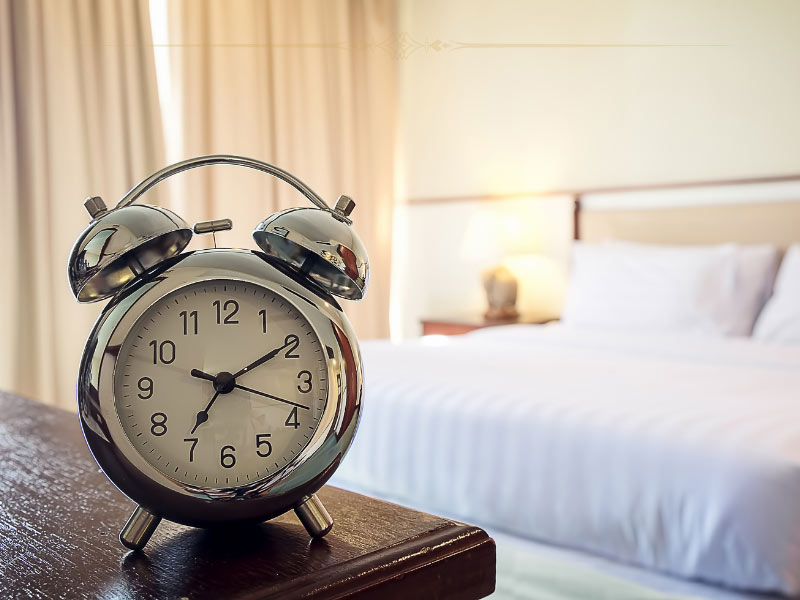
Let’s explore some innovative strategies and time-tested techniques to ensure you wake up refreshed and ready to embrace your adventures, no matter where in the world you find yourself.
Creating Your Personal Sleep Sanctuary
The key to a restful night often lies in transforming your hotel room into a sleep-friendly environment. Here’s how:
Temperature Control: Your Ticket to Dreamland
One often overlooked aspect of sleep quality is room temperature. Sleep experts recommend keeping your room cool, ideally between 60-67°F (15-19°C). Most modern hotels offer individual climate control in rooms, so take advantage of this feature. If you’re staying somewhere without air conditioning, don’t hesitate to request a fan from the front desk.
Darkness: Your Sleep’s Best Friend
Light plays a crucial role in regulating our sleep-wake cycle. To create an optimal sleep environment:
- Use blackout curtains if available
- Bring a sleep mask to block out any persistent light
- Cover electronic devices that emit light
Sound Management: Silence is Golden
Unfamiliar noises can be a major sleep disruptor. Consider these solutions:
- Pack earplugs or noise-cancelling headphones
- Use a white noise app on your phone
- Request a room away from elevators and ice machines
Pre-Sleep Rituals: Setting the Stage for Slumber
Establishing a bedtime routine can signal to your body that it’s time to wind down, even in a new environment.
Mindful Eating and Drinking
While trying local cuisine is a highlight of travel, be mindful of what you consume close to bedtime:
- Avoid heavy meals within 2-3 hours of sleep
- Limit caffeine intake, especially in the afternoon
- If you drink alcohol, do so in moderation and not right before bed
The Power of a Pre-Sleep Shower
A warm shower or bath before bed can work wonders:
- It helps lower your core body temperature
- The ritual itself can be relaxing
- Use this time to mentally unwind from the day’s activities
Digital Detox: Unplug to Unwind
The blue light emitted by screens can interfere with your sleep cycle:
- Set a “digital curfew” an hour before bed
- If you must use devices, enable night mode or blue light filters
- Consider bringing a physical book for bedtime reading
Comfort is Key: Customizing Your Sleep Space
Even luxury hotels can’t predict every guest’s preferences. Take control of your comfort:
Pillow Talk: Finding Your Perfect Match
Don’t settle for uncomfortable pillows:
- Request additional or different types of pillows
- Consider bringing your own travel pillow if you’re particular
Scent-sational Sleep
Familiar smells can help you feel more at home:
- Bring a travel-sized bottle of your favorite linen spray
- Pack a small candle or essential oil diffuser (where allowed)
The Right Light
Lighting can make or break your sleep environment:
- Use bedside lamps instead of harsh overhead lights in the evening
- If the room is too bright, improvise with a towel over bright alarm clocks or under door cracks
Mind Over Matter: Psychological Tricks for Better Sleep
Sometimes, the biggest obstacle to good sleep is in our heads. Try these mental strategies:
Stick to a Schedule
Try to maintain a consistent sleep schedule, even while traveling:
- Go to bed and wake up at similar times each day
- If crossing time zones, gradually adjust your schedule in the days leading up to your trip
Relaxation Techniques
Practice relaxation methods to calm your mind:
- Try deep breathing exercises
- Use a meditation app for guided relaxation
- Practice progressive muscle relaxation
Safety First
Feeling secure is crucial for good sleep:
- Always engage all locks on doors and windows
- Use the room safe for valuables to put your mind at ease
When All Else Fails: Backup Plans
Sometimes, despite our best efforts, sleep remains elusive. Have a plan B:
Pack Sleep Aids
Consider bringing over-the-counter sleep aids, but use them judiciously and consult with a healthcare provider if needed.
Embrace the Awake Time
If you can’t sleep, don’t force it:
- Get up and do a quiet activity like reading
- Write in a journal to clear your mind
- Return to bed only when you feel sleepy
Adjust Your Expectations
Remember that one night of poor sleep won’t ruin your trip. Stay positive and focus on enjoying your daytime activities.
In conclusion, while sleeping in a hotel room presents unique challenges, with the right strategies, you can significantly improve your chances of a restful night. By creating a sleep-friendly environment, sticking to healthy pre-sleep routines, and employing some psychological tricks, you’ll be well on your way to waking up refreshed and ready to make the most of your travels. Sweet dreams and happy journeys!