Airports across the globe are witnessing an unprecedented surge in passenger confrontations, with travelers finding themselves barred from boarding flights due to a seemingly innocent packing technique that has taken social media by storm. What started as a clever workaround to avoid hefty baggage fees has evolved into a risky gamble that could leave holidaymakers watching their flights depart without them.
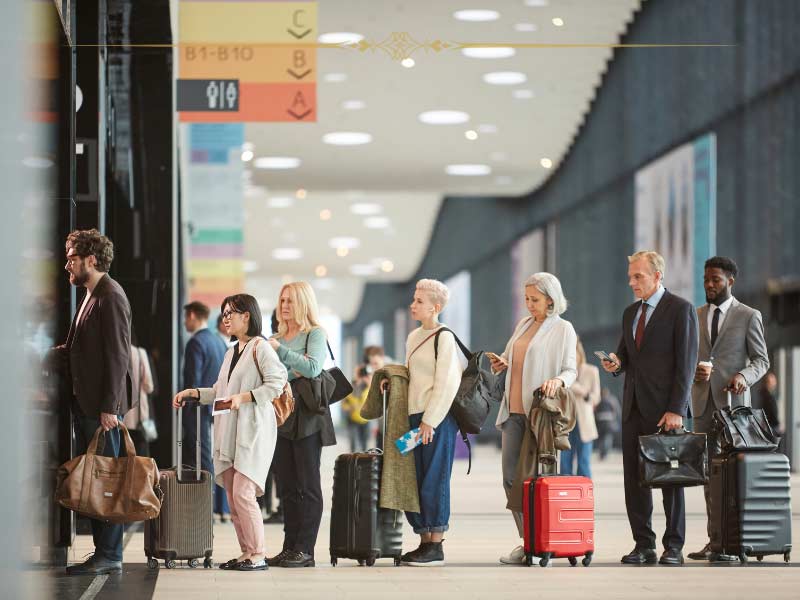
The controversy centers around a deceptively simple method that has captured the attention of millions of travelers worldwide. As airlines continue to squeeze passengers with increasingly restrictive baggage policies and mounting fees, desperate travelers have turned to creative solutions that push the boundaries of what constitutes acceptable carry-on luggage.
The Rise of Creative Packing Solutions
The phenomenon has seen passengers filling pillowcases and neck pillows with extra clothing to circumvent additional baggage charges, exploiting what many believed to be a loophole in airline regulations. This method gained particular traction as budget carriers have systematically reduced free baggage allowances, leaving travelers scrambling for alternatives to avoid punitive fees that can easily exceed the cost of their actual tickets.
The appeal of this approach lies in its apparent simplicity. Travelers discovered that most airlines classify pillows as comfort items rather than luggage, theoretically allowing passengers to bring aboard what appears to be a standard travel pillow while secretly maximizing their clothing capacity. The technique promised to transform a basic travel accessory into a portable wardrobe, offering significant savings for cost-conscious travelers.
However, the reality has proven far more complex than social media influencers initially suggested. Airlines have become increasingly vigilant about detecting these attempts, leading to embarrassing confrontations at boarding gates and, in some cases, complete travel disruptions that have left passengers stranded thousands of miles from their destinations.
When Clever Tricks Turn Into Travel Nightmares
The harsh reality of this packing strategy has been dramatically illustrated through viral incidents that have captured public attention. Airport security personnel and airline staff have developed a keen eye for detecting suspiciously bulky comfort items, leading to uncomfortable encounters that can escalate quickly when passengers refuse to comply with additional baggage requirements.
These confrontations typically follow a predictable pattern. Travelers arrive at the gate confident in their packing prowess, only to be confronted by airline staff who have identified their overstuffed pillows as disguised luggage. What follows is often a heated exchange that can result in missed flights, additional fees, or forced abandonment of personal belongings.
The consequences extend far beyond momentary embarrassment. Passengers who find themselves in these situations face difficult choices: pay substantial last-minute baggage fees, abandon their carefully packed items, or risk missing their flights entirely. The financial implications can be severe, as airport baggage fees are typically much higher than advance online purchases, potentially adding hundreds of dollars to travel costs.
Airlines Fight Back with Stricter Enforcement
While pillows are generally considered comfort items by airports, enforcement has become increasingly inconsistent and unpredictable. Airlines have responded to the growing trend by training staff to identify suspicious items and implementing more rigorous checks at boarding gates. This has created an environment where identical items might be accepted on one flight while being rejected on another, leaving travelers uncertain about what constitutes acceptable practice.
The inconsistency in enforcement has become a source of particular frustration for passengers. Some travelers report successfully using these techniques on multiple flights, only to be caught and penalized on a subsequent journey. This unpredictability has transformed air travel into a game of chance, where passengers must weigh the potential savings against the risk of significant travel disruptions.
Airport personnel have been specifically trained to look for telltale signs of disguised luggage, including unusually heavy or bulky comfort items, items that appear to be stuffed beyond their normal capacity, and passengers who seem overly protective of their pillows during security screenings. These indicators have become red flags that trigger additional scrutiny from airline staff.
The popularity of these packing hacks reflects broader economic pressures facing modern travelers. Airlines have systematically monetized every aspect of the travel experience, transforming what were once included services into revenue-generating add-ons. Baggage fees, in particular, have become a significant source of airline revenue, with some carriers earning more from ancillary fees than from actual ticket sales.
This economic pressure has created a natural tension between airlines seeking to maximize revenue and passengers attempting to minimize costs. The result is an ongoing arms race where travelers develop increasingly sophisticated methods to avoid fees, while airlines respond with more restrictive policies and enhanced enforcement mechanisms.
The financial stakes involved help explain why passengers are willing to risk confrontation at airports. For families traveling with multiple bags, the cost of additional luggage can easily exceed several hundred dollars, making these packing techniques seem like reasonable alternatives despite their risks. However, the potential consequences of being caught often outweigh any possible savings.
Understanding Airline Baggage Policies
Modern airline baggage policies have evolved into complex systems that vary significantly between carriers and even between different fare classes on the same airline. Recent changes to major airline baggage policies have increased fees, with first checked bags now costing $40 or more for domestic travel, while additional bags can cost significantly more.
The distinction between personal items, carry-on bags, and checked luggage has become increasingly important as airlines have refined their policies to capture more revenue. Personal items typically include purses, laptop bags, and small backpacks that can fit under the seat in front of the passenger. Carry-on bags are larger items that fit in overhead compartments, while checked bags are stored in the aircraft’s cargo hold.
Airlines have largely standardized carry-on size restrictions to 22 x 14 x 9 inches for domestic flights, though variations exist for international carriers. These restrictions are enforced through sizing devices at check-in counters and gates, leaving little room for creative interpretation.
The Human Cost of Packing Gambles
Beyond the immediate financial implications, these packing incidents have created significant emotional and psychological stress for affected travelers. Airport confrontations can be particularly traumatic, especially when they occur in front of other passengers or result in missed connections to important events like weddings, funerals, or business meetings.
The unpredictability of enforcement has added an element of anxiety to air travel that extends beyond normal security concerns. Passengers who attempt these techniques often experience stress throughout their journey, wondering whether they will be challenged at any point in their travel process. This anxiety can transform what should be an exciting travel experience into a source of constant worry.
Families traveling with children face particular challenges when these situations arise. Parents must make split-second decisions about whether to pay additional fees, abandon belongings, or risk missing their flights while their children watch. These scenarios can create lasting negative associations with air travel and may influence future travel decisions.
Legal and Regulatory Considerations
From a legal perspective, these packing techniques exist in a gray area where airline policies may not explicitly prohibit certain actions but staff have discretionary authority to enforce baggage restrictions. This discretionary enforcement creates situations where passengers may technically be following published policies while still facing penalties for perceived violations.
Consumer protection advocates have raised concerns about the lack of consistency in enforcement and the potential for arbitrary application of baggage policies. However, airlines maintain that their staff must have flexibility to address situations that may not be explicitly covered by written policies, particularly when passengers appear to be deliberately circumventing fee structures.
The regulatory environment surrounding these issues continues to evolve, with some jurisdictions considering legislation that would require airlines to provide clearer guidance on what constitutes acceptable carry-on items and how policies will be enforced.
Legitimate Alternatives for Budget-Conscious Travelers
Rather than risking confrontation through questionable packing techniques, travel experts recommend several legitimate strategies for minimizing baggage costs. These include carefully researching airline policies before booking, taking advantage of advance purchase discounts for additional bags, and strategically packing to maximize the utility of allowed items.
Professional travel organizers suggest focusing on versatile clothing items that can be mixed and matched to create multiple outfit combinations, reducing the total volume of clothing required for extended trips. Additionally, wearing heavier items rather than packing them can help maximize luggage capacity while staying within weight restrictions.
Some travelers have found success with shipping personal items to their destinations rather than bringing them as luggage, particularly for longer stays where the cost of shipping may be less than airline baggage fees. This approach requires advance planning but can provide significant savings for appropriate items.
Conclusion
As this trend continues to evolve, the relationship between passengers and airlines regarding baggage policies is likely to become increasingly complex. The success of these viral packing techniques has demonstrated the lengths to which passengers will go to avoid additional fees, while airline responses have shown their commitment to protecting revenue streams.
The ultimate resolution of this ongoing conflict may require industry-wide changes to baggage policies that provide clearer guidance while addressing the legitimate concerns of cost-conscious travelers. Until such changes occur, passengers considering these techniques must carefully weigh the potential savings against the significant risks of travel disruption, financial penalties, and airport confrontations that could transform their holiday dreams into travel nightmares.