
In the age of constant connectivity, travelers face an invisible threat that can transform a dream vacation into a potential security nightmare. The seemingly innocent impulse to share every moment of your journey on social media could be putting you at significant risk, security experts warn.
Modern travel and social media have become intricately linked, creating a complex web of potential security vulnerabilities. What might seem like harmless sharing can quickly become a roadmap for opportunistic criminals seeking to exploit travelers’ absence from home.
Real-World Consequences
The risks extend far beyond simple privacy concerns. Detailed location sharing can create tangible security threats, providing potential intruders with precisely the information they need to target your home or personal property. Criminals have become increasingly sophisticated in using social media as an information-gathering tool.
The dangers of oversharing aren’t limited to property risks. Personal safety becomes compromised when strangers can track your real-time movements. Travelers become unwitting targets by broadcasting their exact location, activities, and travel patterns to a potentially global audience.
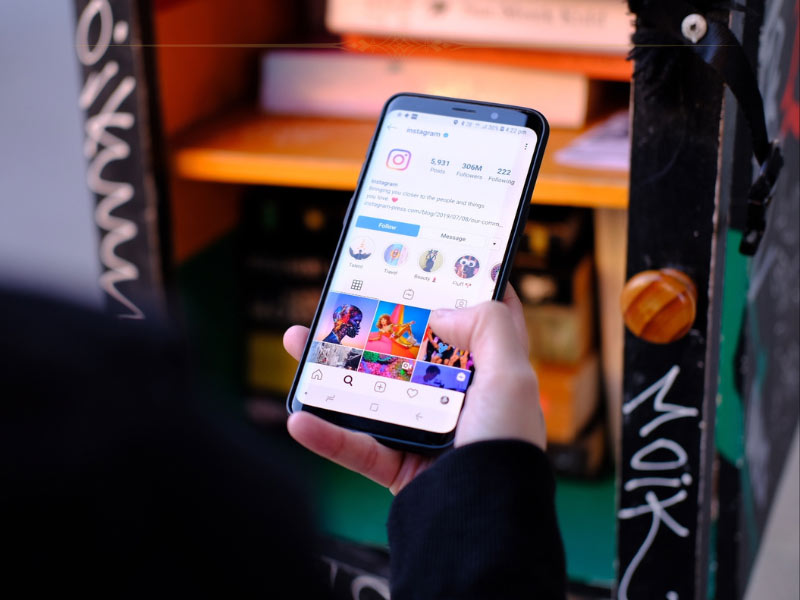
Social media platforms are designed to encourage constant sharing, creating a psychological pressure to document every moment of travel. This digital culture has normalized behavior that security experts consider fundamentally risky. The desire for likes and engagement can override common-sense privacy protections.
Cybersecurity professionals consistently advise a more measured approach to social media use during travel. The recommended strategy involves creating a buffer between your current experiences and your online presence, protecting both personal safety and digital security.
Modern smartphones and social media platforms make location sharing increasingly seamless. Geotagging, automatic check-ins, and real-time updates create multiple points of potential vulnerability. Each piece of shared information builds a comprehensive profile that can be exploited.
Strategic Sharing Alternatives
For those committed to sharing travel experiences, experts suggest several safer approaches. Delayed posting, careful content selection, and minimal location details can help travelers maintain their social media presence without compromising personal security.
The potential consequences extend beyond simple property crime. Identity theft, targeted scams, and personal harassment represent additional risks associated with indiscriminate location sharing. Criminals have become increasingly sophisticated in leveraging digital information.
National cybersecurity agencies consistently recommend minimal personal information sharing. The guidelines emphasize creating digital boundaries that protect personal and familial safety, recognizing the evolving landscape of online threats.
Comprehensive digital safety requires a holistic approach. This involves carefully managing not just location information, but all personal details shared online. The goal is creating a digital presence that reflects your experiences without compromising your security.
Travel Smart, Share Smart
The message is clear: enjoy your travels, but do so with digital awareness. Each piece of shared information should be carefully considered, weighing the desire for connection against potential risks.
As travel continues to evolve in the digital age, personal security becomes increasingly complex. The ability to share experiences must be balanced with a nuanced understanding of digital risks. Travelers are learning that the most memorable moments are often those kept private, shared only with those immediately present.
The journey itself remains the most valuable experience – not its digital documentation. By adopting a more measured approach to online sharing, travelers can protect themselves while still capturing the essence of their adventures.