
Southeast Asian nation launches ambitious campaign offering complimentary domestic airfare to boost struggling tourism sector
Thailand has announced an unprecedented initiative that could revolutionize how American tourists explore the Southeast Asian nation. The government plans to distribute 200,000 free domestic flights to international visitors during a three-month period, representing one of the most aggressive tourism recovery strategies implemented by any country in recent years.
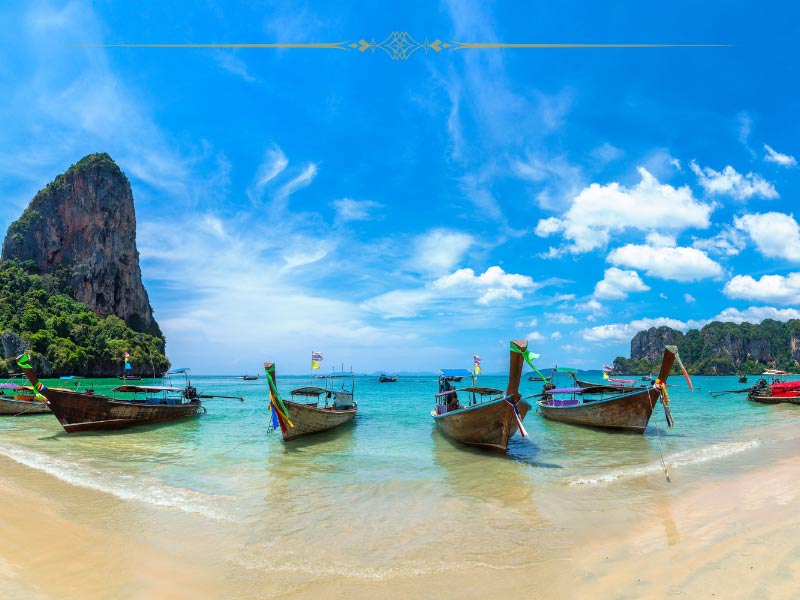
This bold move comes as Thailand grapples with tourism numbers that remain stubbornly below pre-pandemic levels, despite the country’s reputation as one of Asia’s premier travel destinations. The Bank of Thailand recently revised its forecast for 2025 to 33 million arrivals, down from 39 million earlier this year, highlighting the challenges facing the nation’s crucial tourism sector.
For American travelers planning trips to Thailand, this program presents an extraordinary opportunity to explore regions of the country that typically receive fewer international visitors, all while enjoying significant cost savings on domestic transportation.
The Mechanics Behind the Massive Giveaway
The program operates under a straightforward premise that makes it accessible to virtually any American tourist planning a trip to Thailand. Visitors purchasing standard international airfare to Thailand will receive a round-trip domestic flight with 20 kg baggage allowance, effectively doubling their travel opportunities within the country at no additional cost.
The government plans to invest $22 million (700 million baht) into free domestic return tickets, demonstrating the significant financial commitment behind this tourism recovery effort. This investment represents a calculated gamble that the increased tourist spending in secondary destinations will more than compensate for the upfront costs.
The program specifically targets international arrivals who book their flights through official channels, ensuring that the benefits reach genuine tourists rather than being exploited by other travelers. American tourists will need to coordinate their free domestic flights with their international travel plans, creating opportunities for more comprehensive exploration of Thailand’s diverse regions.
Six major airlines have committed to participating in this unprecedented initiative, providing American travelers with multiple options for their complimentary domestic journeys. These carriers include both full-service and budget airlines, ensuring that travelers can find flights that match their preferred travel style and schedule requirements.
Strategic Response to Tourism Challenges
Thailand’s tourism industry, which historically served as a cornerstone of the nation’s economy, faces mounting pressures that extend far beyond the typical post-pandemic recovery challenges. The move follows a 6% drop in arrivals during the first seven months of 2025, indicating that recovery efforts implemented thus far have failed to generate the desired results.
The free flight program represents a sophisticated response to multiple tourism challenges simultaneously. Rather than simply trying to attract more visitors to already popular destinations, Thai officials recognize that sustainable tourism growth requires distributing travelers more evenly across the country’s diverse regions.
American tourists have traditionally concentrated their visits in well-established destinations like Bangkok, Phuket, and Chiang Mai, leaving many culturally rich provinces with significantly lower international visitor numbers. This concentration creates overcrowding in popular areas while leaving other regions unable to fully benefit from tourism revenue.
The goal is to address overtourism, distribute travelers more evenly throughout the country, creating a more sustainable tourism model that benefits both visitors and local communities. This approach acknowledges that successful long-term tourism development requires balancing popular destinations with emerging areas.
The program also addresses practical barriers that often prevent American tourists from exploring secondary destinations. Domestic flight costs within Thailand can represent a significant portion of overall travel budgets, particularly for travelers seeking to visit multiple regions during their stay.
Economic Impact and Investment Strategy
The financial calculations underlying this program reveal the sophisticated economic thinking driving Thailand’s tourism recovery strategy. Officials project the campaign will generate up to $245 million in tourism revenue, representing a return of more than ten times the initial government investment.
This projected return demonstrates how strategic tourism investments can create multiplier effects throughout the economy. When American tourists use their free domestic flights to visit secondary destinations, they contribute to local economies through accommodation, dining, shopping, and activity expenditures that would not have occurred otherwise.
The program creates particularly significant opportunities for tourism-dependent communities in provinces that typically receive fewer international visitors. These areas often offer authentic cultural experiences, unique culinary traditions, and natural attractions that rival more famous destinations but lack the marketing reach and international recognition.
Local businesses in secondary destinations stand to benefit substantially from increased American tourist traffic. Hotels, restaurants, tour operators, and artisan communities in lesser-known provinces will gain access to international markets that were previously difficult to reach through conventional tourism marketing efforts.
The timing of the program during Thailand’s traditional low season also addresses seasonal tourism fluctuations that affect employment and business stability throughout the country. By encouraging travel during off season, the program helps smooth seasonal variations that create economic instability for tourism workers.
Regional Exploration Opportunities for Americans
The free flight program opens unprecedented opportunities for American tourists to experience Thailand’s remarkable regional diversity without the financial constraints that typically limit domestic travel within the country. Thailand’s provinces offer distinct cultural identities, culinary traditions, and natural environments that provide vastly different experiences from the well-known tourist circuits.
Northern Thailand’s mountainous provinces offer cooler climates, hill tribe cultures, and adventure tourism opportunities that contrast sharply with the tropical beach experiences that dominate American perceptions of Thai tourism. These regions feature unique architectural styles, traditional handicrafts, and agricultural practices that provide authentic cultural immersion experiences.
The northeastern provinces, known locally as Isaan, represent Thailand’s largest region but receive relatively few international visitors despite offering some of the country’s most authentic cultural experiences. American tourists using free domestic flights to reach these areas can explore ancient Khmer temples, participate in traditional festivals, and experience regional cuisine that differs significantly from the Thai food commonly available in American restaurants.
Southern provinces beyond the famous beach destinations offer opportunities to explore less crowded coastal areas, national parks with unique ecosystems, and fishing communities that maintain traditional ways of life. These destinations provide opportunities for sustainable tourism experiences that benefit local communities while offering American visitors more intimate and authentic interactions.
Central Thailand’s provinces surrounding Bangkok contain numerous historical sites, traditional markets, and cultural attractions that most international visitors miss due to their focus on the capital city and coastal destinations. Free domestic flights make these areas accessible for day trips or short excursions that enhance overall travel experiences.
Implementation Timeline and Requirements
The program is expected target the low season when tourism typically slows, providing American travelers with specific planning parameters for their Thai adventures. This timing strategy addresses multiple objectives simultaneously while creating clear expectations for potential participants.
The selection of autumn months reflects sophisticated understanding of tourism patterns and seasonal variations that affect both international travel demand and domestic tourism infrastructure capacity. These months traditionally experience lower tourist volumes, meaning that increased visitors will not exacerbate overcrowding issues in popular destinations.
American tourists planning to participate in this program will need to coordinate their international travel bookings with domestic flight arrangements, requiring more comprehensive advance planning than typical vacation preparations. This coordination process ensures that participants can maximize their free domestic flight benefits while maintaining practical travel itineraries.
The program requires cabinet approval before implementation, indicating the high-level government commitment behind this tourism recovery initiative. This approval process also ensures that all participating airlines, government agencies, and tourism infrastructure providers have adequate preparation time before the program launches.
Eligible participants must arrive in Thailand via air travel, excluding those entering through land or sea borders. This requirement ensures that the program targets long-distance international travelers who are more likely to contribute significantly to tourism revenue rather than regional visitors making shorter trips.
Participating Airlines and Service Standards
The commitment of six major airlines to this program ensures that American tourists will have diverse options for their complimentary domestic travel within Thailand. Thai Airways, the national carrier, brings full-service standards and extensive domestic network coverage to the program, providing premium travel experiences for participants seeking comfort and convenience.
Budget airlines like Thai AirAsia and Thai Lion Air offer no-frills domestic travel options that appeal to American travelers prioritizing destination exploration over flight amenities. These carriers serve numerous secondary airports, providing access to regions that might otherwise be challenging to reach through ground transportation.
Regional specialists like Bangkok Airways operate flights to unique destinations including resort islands and cultural sites that are not served by larger carriers. Their participation ensures that American tourists can access some of Thailand’s most exclusive and pristine destinations without the typical premium pricing associated with these routes.
Nok Air and Thai Vietjet provide additional capacity and route options, ensuring that the program can accommodate diverse travel preferences and scheduling requirements. The variety of participating carriers also creates competitive pressure to maintain service standards throughout the program duration.
Each participating airline must honor the standard baggage allowances and service commitments associated with their normal domestic operations, ensuring that free flights maintain the same quality standards as paid tickets. This requirement prevents airlines from reducing service levels for program participants.
Cultural and Culinary Discovery Benefits
The free domestic flight program creates unprecedented opportunities for American tourists to explore Thailand’s remarkable culinary diversity beyond the dishes commonly available in Thai restaurants throughout the United States. Regional specialties vary dramatically across Thailand’s provinces, offering authentic flavors and preparation methods that reflect local ingredients, cultural influences, and traditional cooking techniques.
Northern Thai cuisine features unique ingredients and preparation methods influenced by neighboring Myanmar and China, creating flavor profiles that differ significantly from central Thai cooking. American tourists using free flights to reach Chiang Mai, Chiang Rai, or other northern destinations can experience these regional specialties in their authentic cultural contexts.
Isaan cuisine from northeastern Thailand emphasizes grilled meats, fermented fish sauce, and sticky rice preparations that create distinctly different dining experiences. These regional specialties rarely appear in American Thai restaurants, making domestic travel essential for authentic culinary exploration.
Southern Thai cooking incorporates coconut, seafood, and spice combinations that reflect the region’s tropical climate and coastal geography. American tourists can experience these flavors in fishing villages and local markets that provide cultural contexts unavailable in tourist-oriented restaurants.
Traditional handicrafts and artisan communities throughout Thailand’s provinces offer American visitors opportunities to observe traditional production methods and purchase authentic items directly from creators. These experiences provide deeper cultural understanding while supporting local communities that rely on traditional skills for their livelihoods.
Strategic Tourism Development Model
Thailand’s free domestic flight program represents an innovative approach to sustainable tourism development that other countries are likely to study and potentially replicate. This initiative draws inspiration from Japan’s free domestic flights campaign, which aims to distribute tourist traffic away from major cities and into secondary destinations, demonstrating how successful tourism strategies can be adapted across different cultural and geographic contexts.
The program addresses fundamental challenges facing popular tourism destinations worldwide, including overtourism in major cities, uneven economic benefits from tourism development, and the need to create sustainable revenue streams for communities beyond traditional tourist circuits.
By incentivizing American tourists to explore secondary destinations, Thailand creates opportunities for these regions to develop tourism infrastructure and services gradually, avoiding the rapid development pressures that can damage local cultures and environments. This measured approach to tourism expansion reflects sophisticated long-term planning.
The success of this program could influence how other Southeast Asian countries approach tourism recovery and development, potentially creating regional competition for innovative tourism incentives. American travelers could benefit from similar programs as other countries seek to differentiate their tourism offerings.
The program also demonstrates how governments can use strategic investments to reshape tourism patterns and create more equitable economic benefits from international travel. This approach represents an alternative to purely market-driven tourism development that often concentrates benefits in already successful destinations while leaving other regions unable to participate effectively in tourism economies.