
Whether you’re planning to visit family for Thanksgiving, jet off somewhere warm for Christmas, or ring in the New Year in a new city, one thing remains constant: holiday flights are expensive, and finding a good deal requires strategy, patience, and know-how.
The holiday travel season represents some of the most challenging and costly times to book flights throughout the entire year. Airlines know that demand skyrockets during these periods, and they price their tickets accordingly. However, with the right approach and timing, savvy travelers can still find reasonable fares even during the busiest travel days of the year.
Understanding Holiday Flight Pricing Patterns
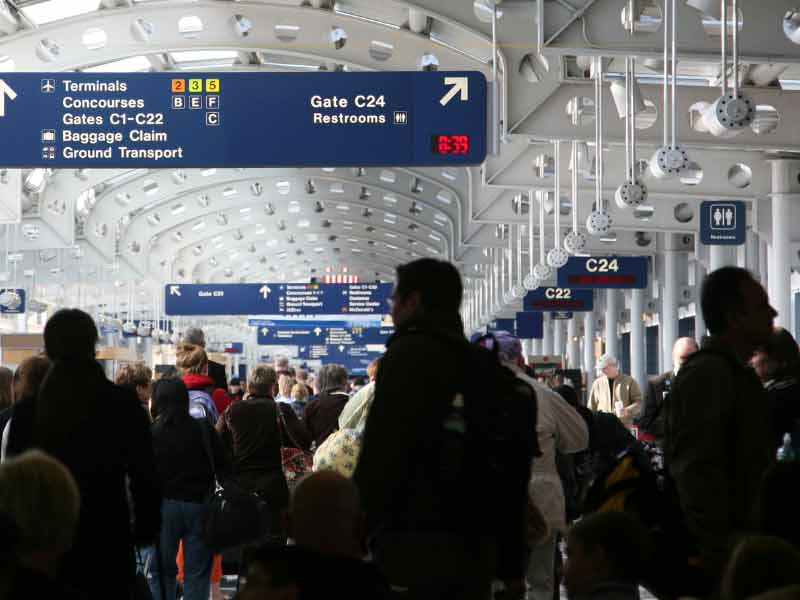
Holiday flight pricing follows predictable patterns that smart travelers can use to their advantage. Airlines typically release their holiday schedules and initial pricing about 11 months in advance, but the sweet spot for booking usually falls between six to eight weeks before your departure date for domestic flights, and slightly earlier for international destinations.
The most expensive travel days consistently fall on the Tuesday and Wednesday before Thanksgiving, the Sunday after Thanksgiving, the few days leading up to Christmas, and the days surrounding New Year’s Eve. These peak travel days can see fares increase by 200 to 300 percent compared to off-peak times. Understanding this pattern helps travelers make informed decisions about when to travel and when to book.
Flight prices during the holidays are influenced by several factors beyond just demand. Fuel costs, airline capacity, weather patterns, and even economic conditions all play a role in determining what you’ll pay for your ticket. Airlines use sophisticated revenue management systems that adjust prices in real-time based on booking patterns, remaining seats, and historical data.
Flexibility: Your Greatest Asset in Finding Deals
The single most powerful tool in securing affordable holiday flights is flexibility. This applies to multiple aspects of your travel plans, from departure dates to airports to routing options. Travelers who can adjust their schedules by even a day or two often find significantly better deals than those locked into specific dates.
Consider departing a day earlier or returning a day later than originally planned. Flying on Thanksgiving Day itself, rather than the Wednesday before, can result in substantial savings. Similarly, returning on the Monday after Thanksgiving weekend instead of Sunday can cut your fare dramatically. The same principle applies to Christmas and New Year’s travel, where being flexible with your exact travel dates can mean the difference between paying premium prices and finding reasonable fares.
Airport flexibility offers another avenue for savings. If you live in a metropolitan area served by multiple airports, compare prices across all options. Flying out of a smaller, secondary airport might require a bit more travel time to reach, but the savings can be worth the extra effort. Additionally, consider nearby airports that might be within driving distance, as the combination of a slightly longer drive and cheaper flight might still result in overall savings.
Mastering the Art of Flight Comparison Shopping
Successful holiday flight booking requires becoming proficient at comparison shopping across multiple platforms and airlines. Different booking sites often show different prices for the same flights due to various partnerships and commission structures. Start your search with major comparison sites, but don’t stop there.
Check airline websites directly, as they sometimes offer exclusive deals or lower fees that don’t appear on third-party booking sites. Some airlines also provide price matching policies or loyalty program perks that can add value beyond the base ticket price. Low-cost carriers, in particular, often don’t appear on major booking platforms, so visiting their websites directly is essential for complete price comparison.
Consider the total cost of your trip, not just the base airfare. Some seemingly cheaper options might come with additional fees for carry-on bags, seat selection, or changes that could make them more expensive overall. Factor in these ancillary costs when comparing options to ensure you’re making truly apples-to-apples comparisons.
Alternative Routing Strategies That Save Money
Traditional round-trip booking isn’t always the most economical option during the holidays. Exploring alternative routing strategies can uncover significant savings that conventional booking methods might miss. One-way tickets on different airlines sometimes cost less than a round-trip ticket on a single carrier, especially during high-demand periods.
Multi-city itineraries can also provide unexpected value. Instead of flying directly to your destination, consider routes that include a stopover in a city you’d like to visit. This approach can sometimes result in lower overall costs while adding an extra destination to your trip. Additionally, positioning flights, where you drive or take a short flight to a different departure city, might offer better deals than departing from your home airport.
Hub airports often have more competition and flight options, which can translate to better prices. If you’re flexible about routing, consider connecting through major airline hubs rather than seeking direct flights. While this adds travel time, the savings can be substantial, especially during peak holiday periods.
Timing Your Purchase for Maximum Savings
The timing of when you book your holiday flight can be just as important as when you choose to travel. Airlines use dynamic pricing models that constantly adjust fares based on demand, remaining inventory, and booking patterns. Understanding these patterns can help you time your purchase for optimal savings.
For domestic holiday travel, the general rule suggests booking between six to eight weeks in advance. However, this timeline can vary based on specific routes, airline capacity, and external factors. Popular routes to major cities or tourist destinations often require earlier booking, while less popular routes might offer last-minute deals.
International holiday travel typically requires longer lead times, with optimal booking windows often falling between two to four months in advance. However, some international destinations might offer better deals during traditionally slower booking periods, even for holiday travel.
Monitor price trends rather than booking at the first acceptable fare you find. Prices often fluctuate significantly in the weeks leading up to departure, and patient travelers can sometimes catch temporary price drops that result in substantial savings.
Leveraging Technology for Better Deals
Modern technology provides numerous tools that can help travelers find better holiday flight deals. Price tracking applications and websites can monitor specific routes and alert you when prices drop below your target threshold. These tools are particularly valuable for holiday travel when prices can change frequently and dramatically.
Set up multiple price alerts for different date combinations and routing options. Even if you have preferred travel dates, monitoring nearby dates can help you understand price patterns and identify the best deals available. Some travelers set alerts for various airports and routing combinations to maximize their chances of finding exceptional deals.
Consider using private browsing modes when researching flights. Some booking sites use cookies to track your searches and may increase prices if you repeatedly search for the same route. While the extent of this practice is debated, using incognito or private browsing eliminates this potential issue.
Understanding Airline Policies and Fees
Holiday travel often comes with additional stress and potential complications, making it essential to understand airline policies and fees before booking. Change and cancellation policies become particularly important during the holidays when weather delays and personal emergencies are more likely to disrupt travel plans.
Some airlines offer more flexible booking policies during the holidays, while others maintain strict rules regardless of the travel season. Understanding these policies upfront can help you choose airlines and fare types that provide the flexibility you might need. Additionally, consider travel insurance, especially for expensive holiday trips or travel during weather-prone seasons.
Baggage policies can significantly impact the total cost of holiday travel. Many travelers carry additional luggage during the holidays for gifts and extended stays, making it important to understand each airline’s baggage allowances and fees. Some credit cards and airline loyalty programs offer baggage fee waivers that can provide substantial value for holiday travelers.
Budget Airlines and Hidden Gems
Don’t overlook budget airlines when searching for holiday flights. These carriers often maintain lower base prices even during peak travel periods, though they typically charge extra for amenities that major airlines include. For cost-conscious travelers willing to forgo some comforts, budget airlines can provide significant savings.
However, carefully evaluate the total cost when considering budget carriers. Factor in fees for carry-on bags, seat selection, snacks, and any other services you might need. Sometimes the total cost approaches that of major airlines once these fees are included, but other times the savings remain substantial.
Regional airlines and smaller carriers sometimes offer competitive rates for holiday travel, especially on routes where they compete directly with major airlines. These carriers might not appear in every search engine, so research airlines that serve your specific route to ensure you’re seeing all available options.
Last-Minute and Standby Strategies
While booking well in advance typically provides the best holiday flight deals, last-minute options still exist for flexible travelers. Airlines sometimes reduce prices on remaining seats close to departure, though this is less common during peak holiday periods than at other times of the year.
Standby lists can provide opportunities for travelers with flexible schedules and strong nerve. While this approach carries risks, especially during busy holiday periods, it can sometimes result in significant savings or upgrades. However, have backup plans in place, as standby options are never guaranteed, and being stranded during the holidays can be particularly problematic.
Airport standby, where you arrive at the airport without a confirmed reservation and attempt to book last-minute flights, requires extreme flexibility and risk tolerance. This strategy is rarely recommended during holiday periods when flights typically operate at full capacity.
Maximizing Loyalty Programs and Credit Card Benefits
Holiday travel provides an excellent opportunity to maximize value from airline loyalty programs and travel credit cards. Many programs offer bonus point earning during holiday periods or special redemption rates that can provide exceptional value for frequent travelers.
Consider using points or miles for holiday travel, as the redemption value is often higher during peak travel periods when cash prices are elevated. Some loyalty programs also offer reduced point requirements for certain routes or dates, making redemptions particularly attractive.
Travel credit cards often provide benefits that become more valuable during holiday travel. These might include priority boarding, free checked bags, trip insurance, or airport lounge access. The value of these benefits increases when airports are crowded and stress levels are high during holiday travel periods.
Final Preparations and Booking Execution
Once you’ve identified the best deal for your holiday travel, be prepared to book quickly. Holiday flights, especially good deals, can disappear rapidly as inventory sells out. Have your payment information ready and be prepared to make decisions quickly when you find an acceptable fare.
Double-check all booking details before completing your purchase. Holiday travel bookings are often complex, involving multiple passengers, specific dates, and sometimes complicated routing. Verify passenger names, travel dates, airports, and any special requests before finalizing your booking.
Consider booking insurance or choosing refundable fare options if available. Holiday travel is more susceptible to disruptions from weather, family emergencies, and other unforeseen circumstances. The additional cost of flexibility might prove worthwhile if your plans change.
The key to successful holiday flight booking lies in combining flexibility, patience, and strategic thinking. Start your search early, remain open to alternative dates and routing options, and use technology to monitor prices and identify the best deals. With careful planning and the right approach, you can navigate the holiday travel season without breaking the bank, ensuring that your journey becomes a positive part of your holiday experience rather than a source of financial stress.