
Picture this. You have made it through security, you are carrying your bags, and you are following the signs toward your gate. You are mentally already on the plane, thinking about the flight ahead and whatever comes after it. Then you get to the end of the terminal and instead of a jetway leading to an aircraft, there is a bus waiting for you. Not a shuttle to another terminal. Not a connection to a remote gate. A highway coach that is about to drive you to another city entirely.
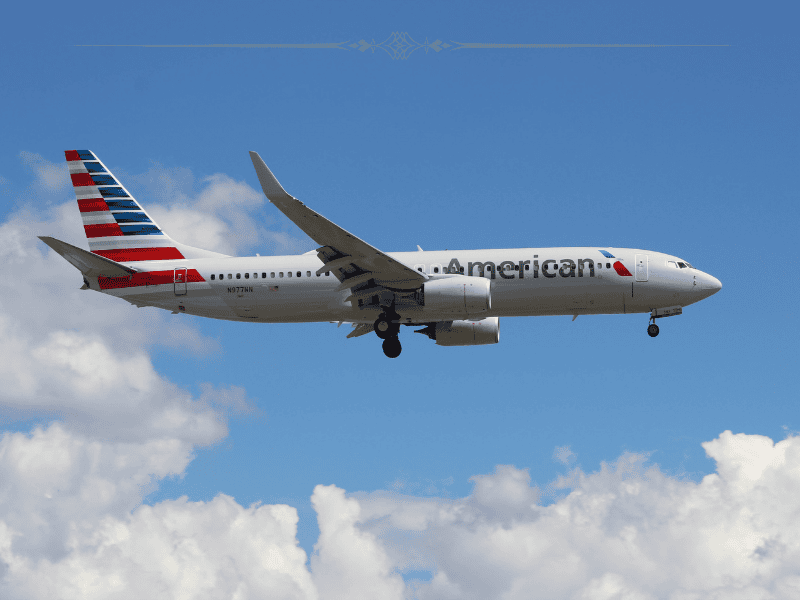
This is not a hypothetical. It has been happening to American Airlines customers, and the reason it keeps catching people off guard comes down to a gap between how the service is described on American’s own website and how it shows up when booked through third-party platforms. The result is that a meaningful number of travelers have arrived at smaller regional airports expecting to board a plane and found themselves climbing onto a bus instead, with no clear warning that this is what they had actually paid for.
American Airlines has been operating this ground transportation service for some time, and more than 200,000 passengers have used it since it launched. But the way it is disclosed, or in some cases not disclosed, during the booking process has created a situation where customers feel misled, and in some cases genuinely are.
How the Service Actually Works
American Airlines operates bus connections from a handful of smaller airports to major hub airports, bridging gaps in its regional air network by using ground transportation instead of additional flights. The routes currently running include service from South Bend, Indiana to Chicago O’Hare, from Rockford, Illinois to O’Hare, and from six locations in the area surrounding Philadelphia to American’s hub at Philadelphia International Airport.
The logic from the airline’s perspective is practical. These are markets where there is no viable way for a customer to access an American Airlines connection without driving a significant distance to a major hub airport. Rather than lose those customers entirely or leave them to figure out the connection on their own, the airline partnered with a company called Landline, which operates premium bus service designed specifically for the airport connection market. The bus picks up passengers at the smaller regional airport, drives them to the major hub, and delivers them directly to the secure side of the terminal, past the main security checkpoint.
That last detail is actually one of the more interesting aspects of the service from a practical standpoint. Passengers going through this process clear security at the smaller origin airport, board the bus, and are delivered to the post-security terminal area at the hub. They do not have to re-clear security at the larger airport. For travelers connecting onward to other flights, this means they arrive in the main terminal already past the checkpoint, which can save meaningful time compared to driving to the hub independently and going through security from scratch.
The bus itself is not a city transit coach. Landline operates its vehicles with amenities aimed at the traveling public, including comfortable seating and the general character of a premium ground transportation product rather than a public bus. The experience is considerably different from what most people picture when they hear that their flight turned into a bus trip.
The Disclosure Problem That Is Causing the Confusion
The service itself is not inherently problematic. Plenty of travelers, if told upfront that the first segment of their trip involves a comfortable coach from a nearby airport to a major hub, would be perfectly fine with that arrangement. The issue is that not everyone is being told upfront, at least not clearly enough.
When a customer books directly through American Airlines’ own website, the booking process includes a disclosure that the first leg of the journey is a ground transportation segment rather than a flight. It is not buried in fine print. It is presented as part of the itinerary, and customers going through that channel generally understand what they are booking before they complete the purchase.
The problem is concentrated in bookings made through third-party platforms, the travel aggregator websites and apps that millions of Americans use to search and compare flight options. On those platforms, the ground segment shows up as the first leg of the trip operated by Landline. The company name is there. What is not always there is a clear explanation of what Landline actually is, namely a bus operator.
To the average traveler scanning search results and booking a trip, a segment listed as operated by an unfamiliar company name reads as just another regional carrier. Regional aviation in the United States involves dozens of operators with names that most travelers do not recognize, so seeing an unfamiliar operating company on a flight booking is not automatically a red flag. Nothing in that listing necessarily communicates that the leg in question involves no aircraft whatsoever.
The consequence is that some travelers have arrived at airports like South Bend or Rockford in the expectation of boarding a plane, cleared security, followed the instructions in their booking confirmation, and ended up at a bus. By that point, the journey is already underway and the window for making a different choice has passed.
What American Airlines Says About It
American Airlines has been direct about why the service exists and what it is designed to accomplish. In markets where there is no alternative way for customers to access an American Airlines flight without making a long drive to a major hub on their own, the bus connection represents an attempt to extend the airline’s reach and keep those customers within its network. The airline frames it as a service addition rather than a substitution for something that previously existed.
The carrier also acknowledges the transparency problem with third-party booking platforms and has said it has been in contact with those platforms about improving how the service is communicated during the booking process. The ask, in essence, is for third-party sites to make it clearer to customers before they complete a purchase that a specific segment of their itinerary involves ground transportation rather than air travel.
Whether those conversations have resulted in consistent improvements across the range of platforms where American’s fares are sold is less clear. The third-party booking ecosystem involves a large number of different companies, each with their own display logic and disclosure standards, and coordinating a uniform change across all of them is not something any single airline can simply mandate. American can ask for clearer disclosure and can provide the data that would enable it, but the actual presentation of that information to customers is ultimately controlled by the platforms themselves.
The 200,000-plus passengers who have used the service since launch suggests that many travelers either understood what they were booking or adapted readily once they understood what the service involved. But the complaints and the stories about passengers arriving expecting a flight and finding a bus indicate that the disclosure gap is real and ongoing rather than something that has been resolved.
The Security Angle That Changes How You Think About It
One element of this service that most travelers who encounter it for the first time find genuinely surprising is how it interacts with airport security. The conventional expectation when traveling by air is that you arrive at the hub airport, join the security line, clear the checkpoint, and proceed to your gate. That process, which at busy airports like O’Hare can consume anywhere from twenty minutes to over an hour depending on conditions and the TSA staffing situation, is something most frequent travelers have come to regard as an unavoidable part of flying.
The Landline bus service effectively eliminates that step for the passengers using it. Because travelers clear security at the smaller regional airport before boarding, and because the bus deposits them directly in the secured terminal area at the hub, they skip the main security queue entirely. At a time when TSA staffing challenges and high passenger volumes have been generating headline-making wait times at major American airports, the ability to arrive at a hub like O’Hare or Philadelphia International already past security and heading directly to a connecting gate is a meaningful practical advantage.
For frequent travelers who are aware of the service and deliberately choose it for this reason, the ground transportation leg becomes less of a quirk and more of a genuine feature. The trade-off is a bus ride that takes somewhat longer than a short regional flight would, against the benefit of bypassing a security line that might itself take comparable time. Depending on the day, the airport, and the current state of TSA operations, that trade-off can work decidedly in the traveler’s favor.
The security bypass aspect is also worth understanding from a process standpoint. The Landline buses are not simply driving passengers from one city to another and dropping them at the curb. The connection to the secure side of the terminal is a deliberate and coordinated part of how the service operates, integrated with airport security protocols in a way that makes the ground-to-air handoff seamless for passengers who know what to expect.
Transparency?
The American Airlines bus situation sits within a larger pattern that frustrates American travelers regularly: the gap between what an airline knows about the product it is selling and what a customer understands at the moment of booking.
Third-party booking platforms have transformed how Americans shop for air travel, enabling price comparisons across dozens of airlines in seconds and making it easy to find the lowest available fare on any given route. The trade-off is that information about the specific character of a booking can get lost or compressed in the process of presenting results in a clean, scannable format. Fare class restrictions, baggage policies, change fees, and connection requirements that are clearly disclosed on airline websites sometimes appear as fine print or not at all on aggregator platforms.
The ground transportation disclosure problem is a particularly concrete version of this issue because the gap between what the traveler expects and what they get is not about fees or flexibility. It is about the fundamental nature of the transportation itself. Arriving at an airport expecting to fly and finding a bus is a more jarring experience than discovering an unexpected baggage fee, because it involves a physical reality that cannot be adjusted after the fact.
American Airlines’ decision to request clearer disclosure from third-party platforms rather than pulling its fares from those platforms reflects the commercial reality that a significant portion of ticket sales flow through those channels and the airline cannot afford to opt out of them. The leverage to mandate specific disclosure standards is limited, which puts the burden back on travelers to do additional verification before booking, particularly when itineraries involve unfamiliar operating carriers on any segment.
What American Travelers Should Do Before Booking
For anyone booking travel that involves American Airlines, particularly from smaller regional airports in the markets where the Landline service operates, a few straightforward steps can prevent the surprise.
If you are booking through a third-party platform and the first leg of your itinerary shows an operator name you do not recognize, take sixty seconds to search that operator’s name before completing the purchase. Landline is not the only ground transportation or non-standard service provider that appears in airline booking systems, and a quick search will tell you whether you are looking at a regional airline, a ferry service, a train connection, or a bus. Spending that sixty seconds during the booking process is far preferable to discovering the answer at the airport.
If you are booking directly through American Airlines’ website, the disclosure is there. Read the full details of each segment in your itinerary before entering payment information, particularly if the operating carrier for any leg is not American itself or one of its named regional partners you recognize. The information is available. The question is whether you look for it before confirming the booking.
For travelers who are specifically trying to connect from the South Bend, Rockford, or Philadelphia-area locations where the service operates, it is also worth considering the security bypass benefit when planning your connection times at the hub. Arriving past security with time to spare is genuinely useful, and the Landline service, understood clearly and booked knowingly, can work to a traveler’s advantage in ways that a last-minute discovery at the airport never will.