A Virginia family’s transatlantic vacation started with excitement and ended with a federal lawsuit. In between came hours of itching, dozens of visible bites, and an alleged encounter with bed bugs at cruising altitude that has sparked conversations about cabin cleanliness across the aviation industry.
The Albuquerque family filed suit in mid-December 2025 in the United States District Court for the Western District of Virginia, seeking $200,000 in damages from both KLM Royal Dutch Airlines and Delta Air Lines. The lawsuit stems from a March 21, 2025 journey that was supposed to take the family of four to Serbia for a vacation visiting relatives and friends. Instead, according to court documents, they spent much of their transatlantic flight dealing with insects crawling on their clothing and leaving welts across their bodies.
The case has captured widespread attention not just because of the disturbing allegations, but because of what emerged after the lawsuit became public. Other passengers came forward with their own stories of alleged bed bug encounters on KLM flights, complete with photos and videos suggesting that the Virginia family’s experience may not have been an isolated incident. Social media posts detailing similar infestations have raised questions about how airlines monitor and maintain cabin cleanliness on aircraft that fly multiple routes daily.
For KLM, a carrier that prides itself on Dutch efficiency and quality service, the lawsuit represents more than just potential financial liability. It’s become a public relations challenge that has passengers second-guessing whether to book tickets and wondering what might be lurking in the seams of business class seats.
The Flight That Started It All
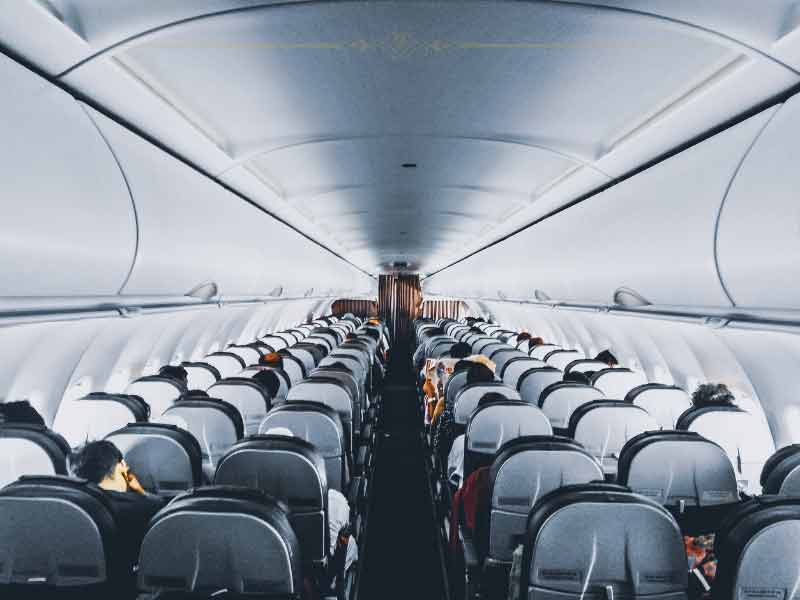
The journey began ordinarily enough. Ophthalmologist Romulo Albuquerque, his wife Lisandra Garcia, and their two sons Benicio and Lorenzo departed Roanoke Regional Airport on the morning of March 21. They connected through Atlanta’s Hartsfield-Jackson International Airport, then boarded what should have been the comfortable portion of their journey: a transatlantic KLM flight to Amsterdam in premium economy seats.
The family had booked through Delta’s SkyMiles program, redeeming miles for tickets that carried a face value of $8,800. While initial reports described these as business class seats, court documents and photographic evidence show the family actually flew in KLM’s premium economy cabin. They occupied seats 12H and 12K, with their two children seated directly behind them in row 14.
For the first two hours, everything seemed normal. The aircraft climbed to cruising altitude over the Atlantic. Passengers settled into their seats for the overnight crossing to Europe. Then Garcia noticed something wrong. She felt sensations of movement on her skin. Looking down at her light-colored sweater, she saw insects crawling on the fabric.
According to the lawsuit, the discovery triggered immediate alarm. Garcia alerted her husband, who began inspecting their seating area more closely. What they found, according to their legal complaint, went beyond a single stray bug. They claim to have observed multiple insects in various life stages around their seats, on their clothing, and in the fabric of the premium economy cabin.
The family began documenting what they were seeing. Photos entered into court evidence show what appear to be bed bugs on a KLM cocktail napkin. The images depict crushed insects with the characteristic flat, oval bodies and reddish-brown coloring associated with bed bugs. Other photos submitted to the court show visible welts and bite marks on family members’ skin that developed as the flight progressed.
The reaction from cabin crew, according to the lawsuit, focused on containment rather than resolution. Flight attendants allegedly urged the family to keep their voices down to avoid creating panic among other passengers. The crew reportedly emphasized the importance of not causing a disturbance that might force an unscheduled landing or diversion. With the aircraft hours from any viable alternate airports over the North Atlantic, options for addressing the situation mid-flight were limited.
The family remained in their infested seats for the duration of the approximately eight-hour flight to Amsterdam. Before landing, according to the lawsuit, crew members provided plastic bags and instructed the family to seal their belongings to prevent further spread of the insects. The crew also allegedly advised them not to report the incident to authorities in Amsterdam, warning that doing so might cause them to miss their connecting flight to Belgrade.
The Aftermath and Medical Impact
After landing at Amsterdam’s Schiphol Airport, the family transferred their belongings into the provided plastic bags and proceeded to their connecting flight to Serbia. By this point, visible bite marks had developed on all four family members. The welts and rashes appeared on their necks, torsos, arms, and legs, becoming increasingly prominent as hours passed.
Upon reaching Belgrade, the family’s first priority shifted from vacation enjoyment to damage control. They immediately washed all clothing in boiling water, following recommendations for killing bed bugs and their eggs. Some garments were deemed too contaminated to salvage and were discarded entirely. The family contacted a doctor friend for advice on treating the bites and managing symptoms.
The physical effects proved more persistent than typical insect bites. According to the lawsuit, large welts developed, particularly on the children. The raised, itchy lesions caused significant discomfort and affected the family’s ability to enjoy their vacation. Photos submitted to the court show extensive rashing across multiple body parts, with some welts appearing quite inflamed.
Medical treatment became necessary. The family obtained topical anti-itch medications and took antihistamines to manage allergic reactions. Even with treatment, the visible marks took days to begin fading. The lawsuit notes that symptoms persisted throughout their time in Serbia and only started improving after they returned to the United States.
Upon returning home to Virginia, the family sought formal medical evaluation. Doctors in Roanoke examined the bite marks and confirmed they were consistent with bed bug bites. The medical confirmation provided documentation that would later become important for their legal case.
The decontamination efforts extended beyond just clothing. Concerned that bed bugs might have hitchhiked home in their luggage or belongings, the family employed bug bombs in both their house and car. This extreme measure reflected the well-documented difficulty of eliminating bed bug infestations once they establish themselves in an environment. The family also disposed of additional personal items out of concern they might harbor hidden insects or eggs.
Long-term effects have emerged as well. According to the lawsuit, Garcia has permanent scarring on her lower back where bites were particularly severe. The children experienced embarrassment upon returning to school with visible marks on their skin. The psychological impact of the experience, particularly for younger family members who had never encountered bed bugs before, added to the overall trauma.
The lawsuit quantifies these damages in its $200,000 compensation request. The breakdown includes medical expenses for treatment, costs of replacing clothing and personal items, the value of a vacation that was effectively ruined, and compensation for ongoing physical and emotional distress. The family argues that what should have been a joyful trip to visit relatives became a nightmare they’re still dealing with months later.
Other Passengers Come Forward
The Albuquerque family’s decision to file suit might have remained an isolated legal dispute had other passengers not responded to news coverage with their own stories. Within days of the lawsuit becoming public, social media filled with accounts from travelers claiming similar experiences on KLM flights.
The most detailed and widely shared came from Rosco Kalis, founder of a cryptocurrency security platform called Revoke.cash. Kalis posted about his own alleged bed bug encounter on a KLM flight to Korea that occurred in October 2024, several months before the Albuquerque family’s experience. His account, shared on social media platform X, included both narrative description and photographic evidence that went viral.
According to Kalis, the incident began a few hours into the flight when his wife noticed a bed bug crawling on her sweater. Upon closer inspection of their seats, Kalis claims they discovered what he described as dozens of eggs and multiple bed bugs in various life stages inside the headrests. The discovery prompted him to start documenting the infestation with his phone’s camera.
Kalis’s account describes a frustrating interaction with cabin crew. He claims flight attendants initially dismissed the insects as dirt or lint, suggesting the couple was mistaken about what they were seeing. Only after Kalis insisted and showed them photographic evidence did crew members acknowledge the presence of bed bugs. According to his social media post, staff filed multiple onboard reports about the infestation.
The full flight presented a dilemma. Kalis requested a seat change, but the aircraft was at capacity with no available alternatives. The crew initially told the couple they would need to remain in their infested seats for the duration of the twelve-hour flight to Korea. Kalis refused, arguing that continuing to sit in an area with dozens of bed bugs was unacceptable. Eventually, crew members moved the couple to staff seats near emergency exits for the remainder of the journey.
The number of eggs and live insects Kalis claims to have observed suggested to him that the infestation had been present for an extended period. Bed bugs reproduce relatively quickly, with females laying several eggs daily. A mature infestation with multiple generations visible typically requires weeks to develop. If Kalis’s observations were accurate, it would mean the aircraft had been flying with bed bugs for some time before his flight.
Kalis’s experience didn’t end with landing in Korea. He filed a formal complaint with KLM requesting compensation for the experience. According to his social media post, he sent multiple follow-up inquiries over several months seeking a response. As of his December 2024 post about the incident, he claimed KLM had never replied to any of his communications. His post concluded by questioning whether he should pursue legal action similar to the Albuquerque family’s lawsuit.
Other passengers contributed their own stories, though with less detail than Kalis provided. Several people commented on aviation industry social media accounts and travel forums describing alleged bed bug sightings on KLM aircraft. Some shared photos, though image quality and context made verification difficult. The collective effect of these reports created a perception that KLM might be facing a systematic problem rather than a few isolated incidents.
The Legal Battle Takes Shape
The lawsuit names both KLM Royal Dutch Airlines and Delta Air Lines as defendants, though their respective involvement differs significantly. Delta’s role was limited to operating the domestic connecting flight from Roanoke to Atlanta and serving as the booking agent for the overall journey. The actual transatlantic flight where the alleged bed bug encounter occurred was operated by KLM under a codeshare agreement.
Codeshare arrangements allow airlines to sell seats on each other’s flights, expanding network reach without operating additional aircraft. Passengers book through one airline but fly on another carrier’s plane with that carrier’s crew. These arrangements create legal complexity when incidents occur, as multiple airlines might share liability depending on specific circumstances and contractual agreements.
Delta has responded to the lawsuit by emphasizing that the flight in question was not operated by Delta. A company spokesperson stated that Delta will review the complaint and respond through appropriate legal channels but noted that the alleged incident occurred on a KLM-operated service. This response suggests Delta will likely argue that primary responsibility rests with KLM as the operating carrier.
The legal theory underlying the lawsuit centers on airline duty of care to passengers. Airlines have legal obligations to provide safe transportation, which includes maintaining clean cabins free from health hazards. Bed bugs constitute a recognized health concern, capable of causing physical injury through bites and potential allergic reactions, as well as psychological distress.
The Montreal Convention, an international treaty governing airline liability for passenger injuries, provides the legal framework for such cases. This agreement establishes circumstances under which airlines can be held responsible for harm suffered by passengers during international travel. The convention sets limits on liability in some cases but allows for higher damages when airlines fail to meet basic care standards.
The $200,000 damage request breaks down across several categories. Medical expenses include costs for doctor visits, prescriptions for topical treatments and antihistamines, and ongoing care for lasting effects like scarring. Property losses encompass clothing and personal items that required disposal due to potential contamination. Lost enjoyment covers the ruined vacation, including missed opportunities to visit with family and enjoy planned activities in Serbia.
Emotional distress and pain and suffering represent less tangible but still compensable damages. The lawsuit describes embarrassment and humiliation, particularly for the children who returned to school with visible marks. Anxiety about potential recurrence or spread of infestation to their home added psychological burden. The ongoing discomfort from persistent itching and the stress of managing the situation during what should have been a relaxing vacation all contribute to the claimed damages.
Attorneys representing the Albuquerque family have stated publicly that they attempted to reach settlement with both airlines before filing suit. According to statements provided to media outlets, these settlement efforts were unsuccessful. The lawyers characterized the airlines’ responses as inadequate or nonexistent, leaving litigation as the only avenue for obtaining what they describe as fair compensation for their clients.
KLM has declined to comment specifically on the lawsuit, citing the ongoing legal proceedings. Airlines typically avoid detailed public statements about pending litigation to prevent those statements from being used against them in court. However, the company’s silence on the matter has left many questions unanswered about what exactly happened, how they’re responding, and what steps they’re taking to prevent future incidents.
Understanding Bed Bugs on Aircraft
Bed bugs on airplanes, while disturbing to contemplate, are not entirely unheard of in the aviation industry. These parasitic insects have adapted remarkably well to human transportation networks, hitching rides in luggage, clothing, and personal belongings as people travel globally. Aircraft present particularly challenging environments for pest control due to quick turnarounds between flights and the difficulty of conducting thorough inspections.
Bed bugs are small, flat, oval-shaped insects roughly the size of an apple seed when fully grown. Their bodies are reddish-brown and become more engorged and red after feeding on blood. These insects are exclusively parasitic, feeding on human blood typically during nighttime hours when hosts are stationary. The insects themselves don’t transmit diseases, but their bites can cause allergic reactions, skin infections from scratching, and significant psychological distress.
The insects enter aircraft primarily by hitchhiking on passengers. A traveler who unknowingly has bed bugs in their luggage or clothing can introduce them into an aircraft cabin. The bugs then seek harborage in fabric seats, carpet fibers, seatback pockets, crevices around entertainment systems, and any other dark hiding spots near potential food sources. Their ability to survive months without feeding allows them to persist through multiple flight cycles.
Once established on an aircraft, bed bugs can spread to other passengers’ belongings as people place items in shared spaces like overhead bins or under seats. A single infested flight can potentially distribute bed bugs to dozens of connecting flights as passengers and crew members move through airline networks. This makes containment particularly difficult once an infestation reaches a certain threshold.
Airlines face significant challenges in detecting and eliminating bed bugs from aircraft. Visual inspections are time-consuming and often ineffective, as the insects hide in locations that aren’t visible during routine cleaning. Bed bugs are experts at concealment, emerging only when they detect the carbon dioxide and body heat indicating a nearby host. Standard cleaning procedures may not disturb their hiding spots.
Professional pest control for aircraft requires specialized approaches. Some airlines employ canine detection teams trained to sniff out bed bugs. These dogs can detect infestations more reliably than visual inspections alone. However, deploying detection dogs to inspect every aircraft after every flight is impractical from both cost and logistics perspectives.
Treatment typically involves heat or chemical fumigation. Heat treatments raise cabin temperatures to levels that kill bed bugs and their eggs, usually around 120 degrees Fahrenheit sustained for several hours. Chemical treatments use pesticides approved for aircraft use, though concerns about passenger and crew exposure to chemicals in confined spaces limits options. Both approaches require taking aircraft out of service for extended periods, creating significant operational and financial impacts.
The frequency of bed bug incidents on aircraft remains difficult to quantify accurately. Airlines don’t typically publicize these cases, and many passengers who encounter bed bugs may not report them formally. The incidents that become public likely represent a small fraction of actual occurrences. Industry estimates suggest bed bug sightings on aircraft have increased in recent years, paralleling a broader resurgence of bed bug infestations globally.
The Crew Response Controversy
Beyond the presence of bed bugs themselves, the lawsuit raises concerns about how cabin crew handled the situation. According to the Albuquerque family’s account, crew members allegedly urged them to keep quiet about the infestation to avoid causing panic among other passengers. This approach, if accurately described, prioritizes operational continuity over passenger notification about potential health hazards.
From a crew perspective, managing a bed bug discovery mid-flight over the Atlantic presents difficult choices. Announcing to an entire cabin that bed bugs have been discovered could indeed trigger panic. Passengers might demand immediate landing, which over the ocean is often impossible or extremely costly. People might become convinced they’re being bitten when they’re not, creating mass anxiety. The flight could descend into chaos that makes crew’s safety duties more difficult.
However, from a passenger rights perspective, other travelers arguably deserved to know about the infestation. Bed bugs can transfer to other passengers’ belongings during flights. People seated near the infested area faced elevated exposure risk. Passengers who knew about the infestation might have taken precautions with their luggage and clothing that could have prevented bed bugs from entering their homes.
The alleged instruction to not report the incident in Amsterdam raises additional ethical questions. If crew members indeed told the family not to inform authorities to avoid missing their connection, that could constitute prioritizing operational efficiency over proper incident reporting. Airport health authorities might need to know about significant pest infestations to assess whether aircraft require grounding for treatment.
Airlines walk a fine line between maintaining operational control during incidents and respecting passengers’ right to information about conditions affecting their health and safety. Clear protocols should exist for how crew handles pest discoveries, balancing the need to prevent panic with obligations to inform and protect all passengers. The controversy around this case suggests those protocols may need review.
The Industry-Wide Implications
The KLM lawsuit arrives at a time when airlines face increasing scrutiny over cabin cleanliness and maintenance standards. The COVID-19 pandemic raised public awareness of hygiene concerns in shared transportation spaces. Passengers now pay more attention to cleaning practices and question whether carriers adequately sanitize aircraft between flights.
Quick turnaround times between flights create pressure that can compromise thorough cleaning. Airlines schedule tight connections to maximize aircraft utilization and profitability. The time between when one flight arrives and the next departs may be as little as thirty to forty-five minutes. During that window, crews must deplane passengers, clean the cabin, restock supplies, board new passengers, and complete pre-flight checks. Deep cleaning that might detect bed bugs simply isn’t possible on this timeline.
Most airlines conduct more thorough cleanings during overnight periods when aircraft sit unused for several hours. However, even these deeper cleans may not be sufficient to find well-hidden bed bugs. The insects’ evolution has made them remarkably adept at concealment. Without specifically searching for pest infestations with trained personnel or detection dogs, cleaners focused on visible dirt and trash may simply miss them.
The lawsuit may prompt other affected passengers to come forward with their own legal claims. Success in the Albuquerque case could establish precedents for what damages courts consider appropriate for bed bug incidents. This could lead to a wave of lawsuits from passengers who previously accepted airline responses or decided pursuing legal action wasn’t worthwhile.
For travelers, the case raises awareness about risks that most people never consider when booking flights. Bed bugs don’t respect class of service, airline reputation, or ticket price. They can potentially infest any aircraft regardless of carrier. This reality challenges assumptions that premium seats on well-regarded airlines come with guarantees of cleanliness and pest-free environments.
Insurance implications loom as another concern. Airlines carry liability insurance to cover passenger injury claims, but a significant increase in bed bug-related lawsuits could affect premium costs and coverage availability. Insurers might demand evidence of enhanced pest control protocols before providing coverage at reasonable rates.
Regulatory agencies may eventually step in if bed bug incidents continue generating headlines. Aviation authorities could mandate specific inspection and treatment protocols for suspected infestations. Requirements for crew training on proper pest incident handling might become standardized. Passenger notification requirements could be formalized rather than left to individual airline discretion.
What Passengers Can Do
Travelers concerned about bed bugs have limited but meaningful options for reducing their risk. Awareness represents the first defense. Understanding what bed bugs look like, where they hide, and how they spread helps passengers identify potential problems before they escalate.
Visual inspection of seating areas before settling in can reveal obvious signs of infestation. Bed bugs leave behind dark fecal stains on fabric, resembling small ink dots. Shed exoskeletons from molting insects may be visible in seat creases and seams. Live bugs, while good at hiding, sometimes appear during inspections, particularly in darker areas like where seat cushions meet backrests.
Protective seat covers designed specifically for aircraft use have become increasingly available. These covers create physical barriers between passengers and seat fabric where bed bugs typically hide. Made from smooth materials that bed bugs can’t easily grip, the covers prevent contact even if insects are present. Some travelers now carry these covers as standard equipment for flights.
Carrying plastic bags for storing belongings can contain potential exposure. Rather than placing items in seatback pockets or under seats where bed bugs might transfer, passengers can seal belongings in plastic. Ziplock bags work well for smaller items, while larger garbage bags can contain backpacks or carry-on luggage during flights.
If bed bugs are spotted during a flight, immediate notification of cabin crew is essential despite any potential awkwardness. Documenting the discovery with photos or video provides evidence for later complaints or legal action. Requesting a seat change, if available, removes you from the immediate exposure zone. Most importantly, treatment of clothing and luggage after the flight can prevent bringing bugs home.
Upon arriving home from any flight where bed bugs were suspected or confirmed, travelers should treat all luggage and clothing as potentially contaminated. Washing clothes in hot water and drying on high heat kills both bugs and eggs. Vacuuming luggage thoroughly and inspecting it in bright light helps find any hitchhikers. Some travelers use luggage heating chambers or leave suitcases sealed in hot cars to heat-treat potential infestations before bringing them inside homes.
The Unresolved Questions
As the Albuquerque lawsuit proceeds through federal court, numerous questions remain unanswered. How long had bed bugs been present on the aircraft before the family’s flight? Were other passengers on that same flight or previous flights affected without reporting it? What cleaning and inspection protocols does KLM employ, and were they followed properly before the flight in question?
The lawsuit will likely involve discovery processes where the plaintiffs’ attorneys can request internal KLM documents about cleaning procedures, pest control protocols, and any previous reports of bed bugs on that specific aircraft. These documents could reveal whether the airline knew or should have known about an infestation before the Albuquerque family boarded.
Expert testimony will probably play a significant role. Entomologists might analyze photos and descriptions to confirm whether the insects were indeed bed bugs and estimate how long the infestation had been established based on the presence of eggs and multiple life stages. Aviation maintenance experts could testify about industry standards for aircraft cleaning and whether KLM met those standards.
The case may settle before reaching trial, as many such lawsuits do. Airlines often prefer to resolve cases quietly rather than risk negative publicity from a trial. However, if the airline believes it has strong defenses or wants to send a message discouraging future litigation, it might contest the case vigorously through to verdict.
For the traveling public, the lawsuit serves as an uncomfortable reminder that even carefully planned trips on reputable airlines can encounter unexpected problems. The family’s experience transformed a vacation meant to create happy memories into an ordeal that continues affecting them months later. Whether they ultimately receive the compensation they seek through the legal system, the broader impact on passenger awareness and airline practices may prove to be the case’s most lasting legacy.