The world’s tourism map is getting redrawn. As travelers grow weary of overcrowded hotspots and climate concerns reshape vacation planning, 2026 is shaping up as the year when secondary cities, conservation-focused destinations, and places investing heavily in infrastructure claim the spotlight from traditional favorites.
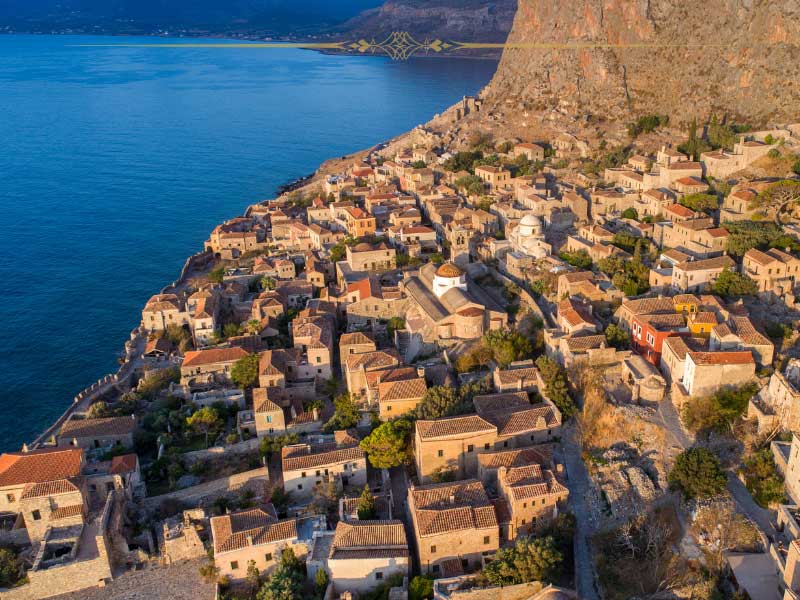
From capitals embracing cultural renaissance to African nations opening pristine wilderness to responsible tourism, next year’s must-visit list reflects shifting priorities among travelers who want their trips to matter beyond just Instagram posts. Museums are opening in unexpected places. Rail lines are connecting remote regions. Indigenous tourism is expanding. And entire countries are banking on infrastructure upgrades to transform how visitors experience their landscapes.
The common thread? Destinations that have either flown under the radar for too long or are reinventing themselves through ambitious development projects that promise to change traveler experiences fundamentally. Here’s where the world’s most interesting travel stories will unfold in 2026.
Brussels Steps Into the Cultural Spotlight
Belgium’s capital has long suffered from an image problem, dismissed as merely a bureaucratic hub for European Union officials rather than a destination worthy of vacation days. That perception is about to change dramatically.
The opening of Kanal-Centre Pompidou in November represents one of Europe’s most anticipated cultural arrivals. The contemporary art center transforms a dormant factory into expansive exhibition spaces curated in partnership with Paris’s famous Centre Pompidou. Five floors up, a restaurant overlooks the vast showroom, crowned by a rooftop bar offering panoramic city views.
The newly opened Standard hotel nearby mirrors the city’s creative energy with bold design, a rooftop bar, and a greenhouse-style lounge. These additions join the refreshed Place de la Bourse and the Dome Project, which reimagines Belgium’s first department store with modern flair.
The former Gare Maritime freight station now blends sustainable architecture with design fairs and chef-led food stalls, creating a destination where industrial heritage meets contemporary culture. Visitors planning spring trips can time their visit with Art Brussels, when galleries and collectors converge for a vibrant international fair. The biannual Zinneke Parade transforms streets into theatrical stages celebrating the city’s multicultural identity.
New tram links connecting the airport to the city center and canal district will make navigation even simpler in a city already blessed with compact geography and excellent public transportation. Brussels is proving that overlooked capitals can stage comebacks when they invest in culture and embrace their creative communities.
Tanzania’s Forest Safari Alternative
Most visitors to Tanzania head straight for the Serengeti’s endless plains. Arusha is changing that calculation by embracing the forests and mountains that surround the city rather than serving merely as a jumping-off point for game drives elsewhere.
The late primatologist Jane Goodall’s new museum finally opens in October after months of anticipation. Dr Jane’s Dream: The Goodall Centre for Hope sits next to the centrally located Cultural Heritage Centre, featuring six interactive exhibit areas designed by a team including Disney’s Animal Kingdom alumni. The space includes a theater and Garden of Commitment focused on conservation education.
Entara’s Koroi Forest Camp opened this past summer in Arusha National Park, offering eight chalets in the Momella Forest on Mount Meru’s lower slopes. This represents a distinct alternative to classic plains game viewing. Visitors might spot elephants, shy duikers, and the black-and-white colobus monkeys that give the camp its name among the trees rather than across open grasslands.
The 30,000-seat Samia Suluhu Hassan soccer stadium opens summer 2026 in the Olomoti region, primed to host the 2027 Africa Cup of Nations final. Meanwhile, local entrepreneurs are creating buzz with ventures like Afro-minimalist Makao Collective, curating handcrafted furniture and home decor, and Opuk Lounge, which prepares boxed-picnic lunches for conservation-focused safari outings.
Flying into Kilimanjaro International Airport from Amsterdam, Doha, Dubai and other hubs takes about an hour’s drive to reach town. Visitors should avoid March through May’s long rainy season when planning Koroi Forest Camp stays. The northern Tanzania region typically sees peak crowds in August during Great Migration season.
Greece’s Cinematic Peloponnese Peninsula
Christopher Nolan’s July 2026 film The Odyssey will spotlight Greece’s myth-drenched Peloponnese peninsula, where Homer’s epics anchor themselves in ancient history. The southwest Messinia coast provides cinematic backdrops where Matt Damon’s Odysseus outwits the Cyclops at oceanside Nestor’s Cave.
Costa Navarino makes an ideal base for exploring film locations with its four luxury resorts and recent influx of Michelin-starred chef restaurants. Visitors can swim at omega-shaped Voidokilia Beach, photograph flamingos at Gialova Lagoon, and meander through Methoni Castle and nearby Pylos, where Odysseus’s son seeks wisdom from Trojan War hero King Nestor.
The Mycenaeans, who inspired Homer’s mythical characters, flourished in the Peloponnese during the Bronze Age. At Nestor’s Palace near Pylos, visitors learn about this civilization while overlooking the spot where archaeologists unearthed a treasure-filled Mycenaean warrior’s tomb in 2015. This discovery rewrote understanding of how Mycenaean and Minoan cultures blended to create Western civilization.
The tomb’s trove spent time on international loan for the Kingdom of Pylos exhibition in Los Angeles before returning to Athens. In late 2026, most artifacts will join other groundbreaking Peloponnesian finds at Messinia’s newly revamped Archaeological Museum of Chora, creating a permanent home for these discoveries.
The 1,075-mile Peloponnese Trails network completes in spring 2026, enhancing mountainous Greece’s standing as an outdoor fitness destination. Along restored mule paths, hikers can taste Messinia’s famed olive oil and visit UNESCO World Heritage sites like Mystras near Euphoria Retreat, which hosts a Wellbeing Festival in June rooted in ancient Greek wellness philosophy.
Gabon Emerges as Africa’s Rainforest Destination
Gabon’s tourism industry may still be developing, but January 2026 marks its emergence as arguably the world’s most exhilarating rainforest destination. Loango Savannah Camp opens on the iconic Iguela Lagoon, where forest elephants splash en route to coastline made famous by surfing hippos.
This new tented camp joins two other properties in northern Loango National Park. Dubbed Africa’s Last Eden, Loango offers pristine forest, savannah, and lagoons pouring into the wild Atlantic. Some insiders call it the best gorilla trekking experience in Africa, a significant claim given competition from Uganda and Rwanda.
Nyanga Lodge opened in early 2025 at Moukalaba-Doudou National Park as the sole luxury safari property in what locals call the great apes national park. Offerings for 2026 include outdoor dining experiences from a new treetop terrace to beach dinners, ideal for spotting primate species or marine spectacles like migrating humpback whales and nesting sea turtles. Surrounding waters rich in game fish like tarpon mean Nyanga will launch its first full season of exclusive international catch-and-release sport fishing in 2026.
Sette Cama Eco Camp opens early 2026 at Loango National Park’s remote southern end as the first property in Machaba Safaris’ Machaba Wild portfolio. This comfortable base camp focuses on adventures favoring immersion over indulgence, with jungle treks tracking chimpanzees, western lowland gorillas, forest elephants, and red river hogs, plus coastal trails revealing the same jungle creatures on beaches alongside surfing hippos.
Air France flies direct from Paris to Libreville daily, from which charter flights are highly recommended for reaching the parks. Ethiopian Airlines via Addis Ababa and Turkish Airlines via Istanbul also offer nonstop service. Tourism infrastructure remains thin, making locally based operators like Iniva Tourism & Hospitality essential for everything from obtaining required invitation letters and visas to booking charter flights.
Slovenia’s Alpine Alternative
Tucked between Austria and northern Italy, Slovenia’s Upper Carniola region occupies about one-tenth of Tuscany’s size but packs stunning variety. The Julian Alps, Lake Bled, Triglav National Park, and fairy-tale villages create breathtaking landscapes without the shoulder-to-shoulder crowds expected at Italy’s Milano Cortina Olympic Winter Games.
Summer 2026 brings Muzej Lah to the scenic slopes of Bled Castle, showcasing over 800 European works collected over three decades by Igor and Mojca Lah. For wellness seekers, Kneipp NaturHotel Snovik debuts in June after a 22-million-euro investment, becoming Slovenia’s highest-altitude thermal spa hotel. Wellness here roots itself in Sebastian Kneipp’s five pillars of holistic living with contemporary twists.
Intimate guesthouse-style hotels flourish in the Julian Alps, like five-suite Chalet Sofija, where warm hospitality, sweeping views, and serious culinary skills converge. Nine Slovenian restaurants earned Michelin stars in 2025, with Hiša Franko retaining its three stars and Green Star for sustainability, cementing Ana Roš as one of two female chefs worldwide with that distinction.
History buffs shouldn’t miss the UNESCO-listed Passion Play returning to Škofja Loka’s cobblestone streets after a six-year pause, with 900 locals reviving one of Europe’s oldest Baroque-era plays. A new digital nomad visa program rolls out this year, perfectly timed with cultural and hospitality openings signaling the country is ready for wider recognition.
Ljubljana offers nonstop flights from London, Zurich, Paris, Munich, and Frankfurt, with trains continuing to Jesenice, Kranj, or Radovljica. Rental cars are recommended for exploring remote villages and alpine passes, as buses run less frequently during off-season periods. Late summer through autumn proves most rewarding with fewer tourists, golden foliage, and access to Muzej Lah.
Barbados’ Rugged East Coast
With new direct flight routes and luxury cruise itineraries, the Caribbean’s easternmost island becomes more accessible than ever in 2026. Delta and KLM recently launched nonstop routes from Atlanta and Amsterdam hubs respectively. The port of Bridgetown completed a two-million-dollar upgrade in 2023, while Speightstown port on the north end now offers moorings for smaller luxury vessels like Emerald Sakara.
This increased accessibility will mean more visitors, but escaping crowds remains easy for those who choose. While popular luxury resorts line tranquil western shores along the Caribbean Sea, adventure-minded travelers can drive just thirty minutes northeast from the airport or busy Bridgetown cruise ports to reach the rugged Atlantic coastline.
Dramatic scenery, world-class surfing, and colorful fishing villages preserve the island’s unspoiled character along this windswept coast. Start in Bathsheba, where powerful waves have long drawn surfers to the Soup Bowl, a reef break revered by international pros. Non-surfers find plenty of outdoor activities, with a national park and wildlife reserve protecting the majority of the east coast from commercial development.
Hike from Bath Beach to Bathsheba on a scenic six-mile path following the former coastal railway route. Round out the day in nearby Martin’s Bay on Thursdays, when Bay Tavern Fish Fry brings together neighbors and visitors for fresh-off-the-boat red snapper, baked mac and cheese, and rum-fueled karaoke sessions.
Past accommodations have consisted mainly of family-owned inns and seaside cottages. This September, hotelier Paul Doyle, who owns the island’s oldest operating hotel The Crane Resort, finished three-year construction on East Resort, an all-villa property bringing upscale yet intimate lodging to what they call Barbados’s best-kept secret.
High season runs December through April. Peak action surrounds the Barbados Surf Pro in March, the Barbados Food & Rum Festival in November, and Barbados Sailing Week in January. Low season from July to October brings thinner crowds but expect brief daily rain showers. Four Seasons Yachts and Oceania Cruises offer new Caribbean itineraries in 2026 with Bridgetown stops.
Morocco’s Fès Restoration Renaissance
Fès is Morocco’s cultural capital and intellectual center, yet it flies beneath the radar compared to Marrakech. That changes in 2026 with the long-awaited reopening of Palais Jamaï after a decade-long renovation. Built in 1879 by a grand vizier to the sultan, this iconic heritage hotel is sister property to Marrakech’s landmark La Mamounia and one of only a handful of centenarian North African hotels.
The gilded reopening crowns decades of renovation in the world’s largest, most intact medieval medina. Several thousand rammed-earth structures have been reinforced alongside restoration of the city’s most significant monuments. First among these is the ninth-century Qarawiyyin Library in the world’s oldest university.
Place Lalla Yeddouna, a riverside neighborhood rehabilitated by architects Michel Mossessian and Yassir Khalil, was shortlisted for the 2025 Aga Khan Award for Architecture. The beautiful 14th and 15th-century fonduks of Chemmaine, Sbitryine, and Barka have been restored as gorgeous artisan workshops focused on high-quality local crafts. Fonduk Kaat Smen will join them before 2026 ends, reopening its doors to a unique historic honey market.
The Al Batha Museum of Islamic Arts, now Morocco’s finest museum, quietly reopened recently with well-curated overview of dynastic history using exquisite artifacts and illuminated manuscripts that place Fès within a wide web of Mediterranean and African relationships. The Fès Festival of World Sacred Music takes place annually in May and June, celebrating the city’s role as a center of Sufi mysticism, Islamic scholarship, and Andalusian musical heritage.
The city kicks off 2026 hosting Africa Cup of Nations matches and awaits a near-total solar eclipse in August. Ryanair offers the only direct flights from London Stansted to Fès-Saïss Airport. Alternatively, multiple airlines offer direct flights to capital Rabat, a two-and-a-half-hour drive away. Taking this route allows visiting Roman ruins of Volubilis, where Moulay Idris I, founding father of Fès and the Moroccan state, first found refuge.
Panama’s Chiriquí Province Eco-Luxury
The Chiriquí Province, roughly 300 miles southwest of Panama City hugging the Pacific, has emerged over the past decade as a castaway-style escape. The area includes La Amistad International Park, an over 400,000-hectare UNESCO World Heritage Site and Central America’s largest nature reserve, plus Gulf of Chiriquí National Marine Park, home to howler monkeys, armadillos, and migrating humpback whales from July to October.
Luxury tour company Black Tomato expands Chiriquí coverage for 2026, offering snorkeling within the marine park, naturalist-guided cloud forest hikes, and bespoke whale watches paired with lunch on deserted islands. Hoteliers have rolled out stays capturing getaway spirit with top-tier amenities.
The Cayuga Collection’s Isla Palenque, a ten-key luxury eco-resort, introduces three two-bedroom villas in 2026 and 2027, all with funiculars and private pools. In February 2025, Hyatt opened the 70-key art and wellness house Hotel La Compañía del Valle just 20 miles from the coast, adding the 18,000-square-foot Elysium Spa in fall 2025. Late 2026 brings the 186-key Viceroy Bocas del Toro, catering to luxury clientele preferring traditional resort experiences.
Getting to Chiriquí is about to become easier. President José Raúl Mulino announced the forthcoming Panamá-David Railway, a 475-kilometer high-speed rail connecting Panama City with Chiriquí in under three hours, bypassing the need for small flights or long drives when it opens.
Chiriquí stays warm year-round in the gulf, with rainy season running late April through November. Summer and early fall months are best for watching migrating whales. The Vuelta a Chiriquí, one of Central America’s most prestigious cycling events, returns in July 2026. Copa Airlines, United, Delta, and American offer flights from the United States, while Iberia, KLM, Air Europa, and Air France connect with Europe.
Japan’s Naoshima Before the Crowds
Tucked into Setouchi off Japan’s southwest coast, Naoshima has evolved from fishing villages into an island-wide art gallery where contemporary works spill from museums into repurposed bathhouses, abandoned schools, and hillside trails. The Naoshima New Museum of Art, a minimalist partially underground structure designed by renowned architect Tadao Ando, opened in May 2025 as his tenth major project for Benesse Art Site Naoshima.
The museum sits in a residential suburb in Naoshima town, marking the first such location. It features works by Takashi Murakami and Cai Guo-Qiang exploring themes of Asian futurism and Japanese cosmology. The museum’s mandate includes collecting art from across Asia, not just Japan.
As Naoshima and neighboring islands attract greater numbers of culture seekers, travel companies are taking note. Luxury tour operator Tauck expands small-ship cruises in Japan with a new Seoul to Tokyo itinerary for 2026 including Seto Inland Sea exploration and guided excursions through Naoshima’s contemporary arts legacy.
Mandarin Oriental plans to open three boutique properties in Setouchi from 2027 to 2030, including a ryokan-style hotel in Naoshima. Visiting now, before crowds arrive, offers a chance to experience the revolutionary art project conceived to drive rural regeneration that grabbed world attention when a Kusama Pumpkin sculpture was swept out to sea in a 2021 typhoon.
The best time to visit is March to May or September to November, avoiding summer heat and rains. Naoshima stars in the Setouchi International Art Triennale, a contemporary art festival with community involvement reputation that runs sessions in spring, summer, and autumn over its programming course. Take domestic flights to Takamatsu or Okayama cities from Tokyo or Osaka hubs, then catch short ferries to Naoshima.
Deer Valley’s Expansion Era
For decades, Deer Valley has been synonymous with groomed slopes, polished service, and the starry energy of Sundance Film Festival. In January 2026, that story comes full circle. After over four decades in Park City, Sundance marks its final year in Utah, culminating with what organizers call a celebration full of gratitude and joy honoring founder Robert Redford.
As Sundance bows out, Deer Valley enters a new era with the largest ski resort expansion in North American history. The Expanded Excellence initiative more than doubles skiable terrain to 4,300 acres with nearly 100 new runs and 31 lifts. This winter brings seven new chairlifts including the East Village Express gondola, alongside continued East Village rollout offering streamlined mountain access with over 70 shops and restaurants.
Upon completion, East Village will feature eight hotels including the Grand Hyatt Deer Valley, which opened late 2024, the forthcoming Canopy by Hilton (Hilton’s first ski-destination property debuting summer 2026), and further out, a Four Seasons resort and residences slated for 2028 opening. The swanky Chute Eleven Champagne yurt returns for its second year.
Three hundred inches of annual snowfall backed by state-of-the-art snowmaking and Deer Valley’s tradition of capping daily skier numbers through sold lift tickets preserve its uncrowded experience. Salt Lake City International Airport sits just 45 minutes away, making the resort one of the most accessible in the Rockies. Ski season runs early December through mid-April, with natural snowfall augmented by snowmaking covering key areas.
The Common Thread
These destinations share crucial characteristics that explain their 2026 prominence. They’re either investing heavily in infrastructure that fundamentally changes visitor experiences, or they’re places that have remained overlooked despite offering compelling reasons to visit. Many actively work to manage tourism impacts through conservation efforts, community involvement, or limiting visitor numbers.
The list also reflects broader shifts in how people want to travel. Secondary cities and regions are gaining ground against traditional hotspots. Cultural institutions are opening in unexpected places. Indigenous tourism is expanding. Conservation-focused experiences are replacing pure consumption tourism. And travelers are increasingly willing to seek out places requiring more effort to reach if those destinations offer authentic, meaningful experiences.
Climate change influences destination choices more explicitly than in past years. Visitors are timing trips to avoid extreme weather, seeking cooler temperatures and shoulder seasons. Destinations investing in sustainable tourism infrastructure and protecting natural environments appeal to travelers who want their visits to support rather than harm the places they explore.
The infrastructure investments happening across multiple destinations reveal governments and private investors recognizing that tourism success requires more than natural beauty or cultural heritage. Modern travelers expect efficient transportation, quality accommodations, and experiences that balance comfort with authenticity. Countries making these investments position themselves to capture growing traveler interest in exploring beyond traditional tourist circuits.
For travelers planning 2026 trips, the message is clear: look beyond the usual suspects. The most interesting travel stories are unfolding in places that have flown under the radar, places reinventing themselves through ambitious development, and places prioritizing sustainable approaches to welcoming visitors. Whether drawn by new museums in Brussels, forest safaris in Tanzania, or Alpine serenity in Slovenia, next year offers compelling alternatives to overcrowded favorites that have dominated travel wish lists for too long.