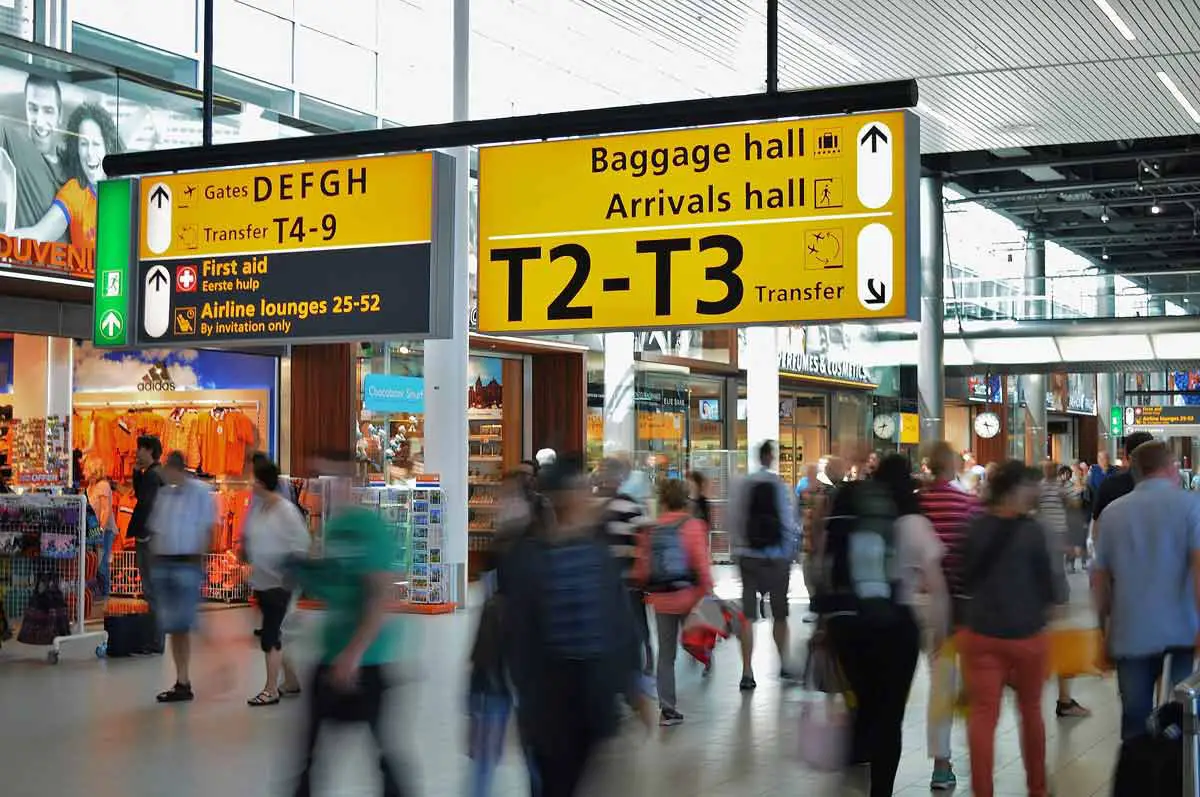
The holiday travel season turned chaotic Friday morning as a powerful winter storm dumped the heaviest snowfall New York City has seen in nearly three years. By Saturday morning, the cascading effects had disrupted nearly 4,000 flights across the United States, stranding thousands of travelers during one of the busiest periods of the year.
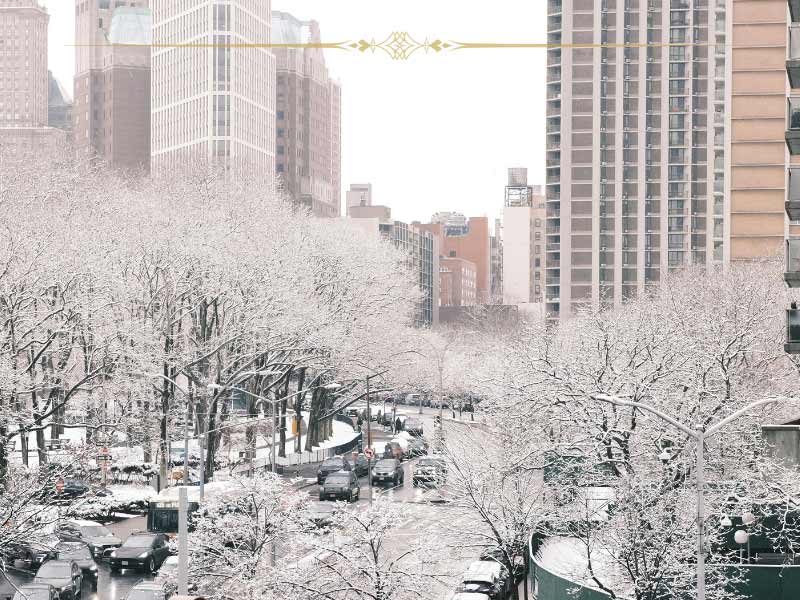
The storm hit the Northeast with particular ferocity, dropping between four and nine inches of snow across the region and creating treacherous conditions at the nation’s busiest airport cluster. JFK International Airport, LaGuardia Airport, and Newark Liberty International Airport bore the brunt of the disruptions, accounting for hundreds of cancellations and turning terminals into waiting rooms packed with frustrated passengers.
What started as weather warnings Thursday evening quickly escalated into a full-blown travel crisis by Friday afternoon. Airlines scrambled to adjust schedules, ground crews worked frantically to clear runways between waves of snow, and air traffic controllers implemented extensive ground delay programs that rippled through the national aviation network. By the time conditions began improving Saturday, the damage to holiday travel plans was extensive and would take days to fully resolve.
The timing couldn’t have been worse. The Port Authority of New York and New Jersey had projected nearly six million passengers would pass through the region’s airports between December twenty-second and January fourth, representing a record high. Instead, thousands found themselves sleeping on terminal floors, rebooking flights for days later, or abandoning air travel altogether in favor of rental cars and trains.
The Numbers Tell the Story
Flight tracking service FlightAware painted a grim picture Saturday morning. Nearly 3,900 flights traveling within, into, or out of the United States faced delays. An additional 770 flights were canceled entirely, with no immediate prospects for rescheduling given the backlog created by Friday’s disruptions.
JFK International led the misery index with 135 canceled flights, making it the single hardest-hit airport in the country. LaGuardia followed with 85 cancellations, while Newark added another 71 to the tally. Combined, New York’s three major airports accounted for nearly forty percent of all U.S. flight cancellations despite representing a much smaller fraction of total daily operations.
The disruptions extended well beyond the immediate New York metropolitan area. Boston Logan International Airport saw 84 cancellations as the storm system tracked northeast through New England. Philadelphia International Airport canceled 53 flights as snow and ice blanketed runways and taxiways. Even airports hundreds of miles from the storm’s center experienced delays as aircraft and crews ended up stranded in the wrong cities, unable to operate their next scheduled flights.
By airline, JetBlue suffered the most cancellations with 169 flights grounded. The New York-based carrier operates major hubs at both JFK and Newark, leaving it particularly vulnerable when weather shuts down those airports. Delta Air Lines came in second with 148 cancellations, followed by Southwest with 83, Republic Airways with 78, and American Airlines with 64.
These numbers only capture direct cancellations and don’t reflect the thousands of passengers who experienced hours-long delays, missed connections, or had to rebook onto flights days later. The true scope of disruption affected tens of thousands of travelers whose holiday plans were derailed by circumstances entirely beyond their control.
How Much Snow Actually Fell
Central Park’s official measuring station recorded 4.1 inches of snow by Friday evening, marking the first time the park had seen more than four inches in a single event since January 2022. That January storm dropped 7.5 inches on the city, making Friday’s snowfall roughly half that amount but still significant by recent standards.
JFK and LaGuardia airports both measured 4.1 inches at their official weather stations, matching Central Park’s totals. However, these measurements represented the lower end of snowfall across the region. Areas farther from the coast and at slightly higher elevations received significantly more accumulation.
Connecticut bore the heaviest snowfall, with New Fairfield recording over nine inches. The town sits in Connecticut’s western highlands where elevation enhances precipitation totals during these types of storms. Other Connecticut locations saw seven to eight inches, creating hazardous driving conditions throughout the state.
Long Island’s snowfall varied dramatically based on location and proximity to the ocean’s moderating influence. Areas along the north shore and farther east received six to seven inches in some spots. Communities closer to the south shore and western Long Island saw totals closer to the four-inch mark that Central Park recorded.
The variability in snowfall totals reflects the complex meteorology of nor’easters in the New York region. Small differences in storm track, elevation, and distance from the ocean can mean the difference between four inches and nine inches over distances of just twenty or thirty miles. This variability makes forecasting specific impacts challenging and often leaves some areas harder hit than expected while others escape with lighter accumulations.
Interestingly, New York City had experienced historically low snowfall in recent years. The city went 701 consecutive days without receiving an inch of snow in any twenty-four-hour period before that streak ended in January 2024. The Friday storm represented a return to more typical winter patterns after several remarkably snow-free years that had some climate scientists questioning whether warming temperatures were permanently reducing the city’s winter precipitation.
The Federal Aviation Administration Steps In
As snow intensified Friday afternoon, the FAA implemented progressively stricter measures to manage the deteriorating situation. Ground delay programs went into effect at all three New York airports, followed by ground stops during the heaviest snow bands when visibility dropped below minimums and runway conditions became unsafe.
JFK faced the longest delays, with the FAA warning travelers to expect ground delays approaching three hours at the airport’s peak disruption. These delays applied to arriving flights, meaning aircraft had to hold at their departure airports rather than flying to New York only to circle overhead waiting for landing clearance. The approach prevented dangerous fuel situations and reduced congestion in New York airspace.
Newark and LaGuardia experienced somewhat shorter but still substantial delays, with the FAA indicating ground holds of approximately fifty minutes at both facilities. These delays fluctuated throughout the afternoon and evening as conditions improved briefly then deteriorated again with renewed snow bands.
The ground delay programs create cascading effects throughout the national aviation network. When JFK can’t accept arriving flights on schedule, those aircraft sit at gates in Los Angeles, Miami, Dallas, and dozens of other cities. Their delayed departures then affect subsequent flights those planes were scheduled to operate later in the day. Crews time out, reaching maximum legal duty hours and becoming unavailable for scheduled flights. Passengers miss connections, requiring rebooking that fills seats on flights days into the future.
Air traffic control staffing becomes stretched during these events. Controllers work extended shifts managing ground stops, coordinating with airlines about revised schedules, and eventually sequencing the backlog of delayed flights once conditions improve. The mental workload increases dramatically as controllers juggle far more complexity than normal operations require.
Behind the scenes, airline operations centers become war rooms. Staff monitor weather developments, calculate how many spare aircraft and crews they have positioned around the country, decide which flights to cancel preemptively versus delay and hope for improvement, and communicate constantly with affected passengers. These decisions involve balancing customer service, operational efficiency, financial costs, and regulatory requirements under intense time pressure.
Inside the Terminals
Passengers arriving at JFK, LaGuardia, and Newark airports Friday encountered chaos from the moment they entered terminal buildings. Information boards displayed increasingly pessimistic updates as flights shifted from delayed to canceled. Customer service lines stretched across terminals as people sought rebooking assistance. Seating areas filled beyond capacity with travelers who had nowhere else to go.
Terminal 4 at JFK, which handles many international flights, became particularly congested. Long-haul passengers who had flown eight or ten hours from Europe, Asia, or the Middle East discovered their connecting flights to other U.S. cities were canceled. With limited hotel availability in the New York area during the holiday season, many had no choice but to camp in the terminal hoping for seat availability on flights the next day or beyond.
One traveler who had flown to New York specifically to experience the city at Christmas found himself stranded at JFK unable to fly home. His next available flight wouldn’t depart until forty-eight hours later, meaning he’d spend two nights sleeping on terminal chairs and wandering the airport’s retail areas. His story exemplified thousands of similar situations across all three airports as the storm disrupted carefully planned holiday schedules.
LaGuardia’s relatively smaller terminals meant less space for stranded passengers. The airport’s ongoing renovation has improved facilities significantly, but no terminal can comfortably accommodate hundreds of unexpected overnight guests. Airport concessions ran low on food and supplies as demand far exceeded what they had stocked for normal operations.
Newark faced additional complications because of its location in New Jersey and the state of emergency Governor Phil Murphy declared Friday afternoon. The emergency declaration restricted certain vehicles from highways, complicating ground transportation to and from the airport. Travelers who managed to get flights out faced uncertainty about whether they could even reach the terminal safely.
Airport workers, from TSA screeners to gate agents to retail employees, dealt with frustrated passengers throughout the ordeal. Many showed remarkable patience and professionalism despite facing angry travelers, working extended hours, and dealing with the same weather challenges in their own lives. Some stayed at work well past their shifts helping stranded passengers, knowing that abandoning their posts would only worsen an already difficult situation.
The Ripple Effect Across the Country
While the storm’s worst impacts concentrated in the Northeast, its effects spread across the entire United States aviation network. Airports in cities with clear skies and warm temperatures still experienced cascading delays and cancellations because aircraft and crews were stuck in New York.
A plane scheduled to fly from San Diego to Seattle couldn’t operate its flight because it was supposed to arrive from Newark but never departed due to the snowstorm. That cancellation then affected passengers in Seattle who needed that same aircraft to fly to Portland. The domino effect continued through the day as each disrupted flight created additional problems downstream.
Major connecting hubs like Atlanta, Dallas, and Chicago saw their operations disrupted despite being nowhere near the snow. Passengers connecting through these airports to or from New York found their journeys interrupted. Airlines had to reassign gates and crews to accommodate delayed arriving flights while somehow maintaining departing flight schedules. The logistical complexity multiplied exponentially.
Crew scheduling became a nightmare scenario for airline operations centers. Pilots and flight attendants are subject to strict duty time limits that govern how many hours they can work in any given period. When flights delay significantly, crews risk timing out before completing their scheduled duties. Airlines must find replacement crews, but spare personnel are rarely sitting idle at airports. Getting crews to where they’re needed when weather has disrupted the entire system proves extraordinarily difficult.
The problems extended beyond just commercial passenger flights. Cargo operations faced severe disruptions as well. The holiday season represents peak shipping volume, with retailers relying on overnight air freight to keep shelves stocked. Cargo planes use the same airports and runways as passenger aircraft, meaning they faced identical delays and cancellations. Time-sensitive shipments missed delivery windows, affecting supply chains and customer expectations.
Weather Conditions and Forecasts
The National Weather Service issued winter storm warnings across the region Thursday, giving airlines and travelers advance notice that significant impacts were possible. However, the exact timing and intensity of the snow remained somewhat uncertain until the storm was actually unfolding Friday afternoon.
Meteorologists predicted widespread accumulations of three to five inches from central New Jersey through New York City into southern Connecticut. Localized areas could see more, potentially reaching six to nine inches in favored snowband locations. These forecasts proved generally accurate, though some areas exceeded the upper end of predicted ranges.
At the storm’s peak overnight Friday, snowfall rates reached an inch per hour in the heaviest bands. These intense rates created dangerous driving conditions and rapidly overwhelmed runway snow removal operations at airports. Even with equipment running continuously, runways required frequent closures for clearing that further disrupted flight operations.
The storm’s timing complicated planning. It arrived during Friday afternoon rush hour, when airports already handle heavy traffic. The combination of storm impacts and peak operational demands created a perfect storm, forcing airlines and air traffic control to make difficult decisions about which flights could operate and which needed cancellation.
Saturday morning brought much-needed improvement. The National Weather Service reported that snowfall was tapering to flurries with little additional accumulation expected. Winter weather advisories remained in effect across parts of New Jersey and eastern Pennsylvania, warning that roads remained snow-covered and hazardous despite the precipitation ending.
Temperatures staying below freezing meant snow and ice would persist on untreated surfaces throughout the weekend. Airports could clear runways and taxiways effectively with specialized equipment, but neighborhoods and secondary roads remained treacherous. This complicated travelers’ ability to reach airports even after flight operations normalized.
The weather pattern causing the disruption reflected a classic setup for Northeast snowstorms. Strong high pressure over Canada funneled cold air southward while a storm system tracked up the Atlantic coast. The collision of these air masses along the I-95 corridor created the heavy snow and wind that paralyzed the region’s transportation network.
Climate scientists note that while overall snowfall totals have decreased in the New York area in recent decades, individual storms can still produce significant impacts. Warmer baseline temperatures mean more precipitation falls as rain rather than snow, but when conditions align properly, winter storms remain capable of major disruptions. The variability has increased, with longer stretches of snow-free weather interrupted by occasional significant events.
Airline Response and Passenger Rights
Airlines began issuing travel waivers Thursday as forecast confidence increased that the Friday storm would cause significant disruptions. These waivers allow passengers to change their travel plans without the fees normally charged for itinerary modifications. The exact terms vary by airline and specific circumstances, but generally permit rebooking within a few days of originally scheduled travel.
United Airlines reduced its schedule in advance, proactively canceling some flights to minimize the number of aircraft and crews that would end up stuck in the New York area. This strategy accepts certain cancellations as inevitable and tries to control when and where they occur rather than letting the storm create random chaos. While passengers on canceled flights face inconvenience, the approach theoretically reduces total disruption by preventing cascading failures.
Southwest Airlines made schedule adjustments focused primarily on LaGuardia operations and Baltimore service. The airline’s point-to-point route network means it’s less vulnerable to hub disruption than carriers that concentrate operations at specific airports. However, Southwest still faced challenges managing crew positioning and aircraft availability as weather affected multiple cities.
Delta and JetBlue, both with major operations at New York airports, bore particularly heavy impacts. These airlines tried to protect their most critical long-haul international flights while accepting that shorter domestic services would face higher cancellation rates. The decision reflects economic reality: canceling a flight to Los Angeles costs the airline less than canceling a flight to London that represents much higher ticket values and affects passengers with fewer rebooking alternatives.
Passengers rights during weather disruptions remain limited compared to cancellations for airline-caused reasons. Federal regulations don’t require airlines to provide compensation, meal vouchers, or hotel accommodations when weather cancels flights. The airline’s only obligation is rebooking passengers on their next available flight at no additional charge. This leaves travelers bearing most of the burden when storms disrupt plans.
Some airlines voluntarily provide additional assistance during major disruptions. Hotel vouchers might be offered in certain situations, particularly when delays extend overnight. Meal credits could be provided for long waits. However, these courtesies vary by airline, circumstance, and sometimes even which customer service agent a passenger happens to reach. There’s no consistency or guarantee of assistance.
Credit card travel protections can provide some relief. Many premium credit cards include trip delay and cancellation insurance that reimburses certain expenses when weather disrupts travel. Travelers need to understand their specific card benefits and follow proper claim procedures to access these protections. Filing claims requires documentation of delays, receipts for expenses, and patience navigating insurance processes.
The Broader Travel Impact
The airport disruptions represented only one dimension of the storm’s impact on travel. Road conditions deteriorated throughout the region, affecting not just people driving to airports but also the millions of Americans who drive rather than fly during the holidays.
The American Automobile Association had projected roughly 109.5 million Americans would drive fifty miles or more from home during the December twentieth through January first holiday period. That’s up from the previous year and represents the dominant form of holiday travel. When a storm blankets the I-95 corridor from Philadelphia through Boston with heavy snow, it affects far more people than just air travelers.
New Jersey Governor Phil Murphy declared a state of emergency Friday afternoon, giving authorities enhanced powers to restrict travel and coordinate emergency response. The declaration banned certain vehicle types including tractor-trailers, RVs, and motorcycles from specific highways where conditions were particularly dangerous. These restrictions aimed to prevent jackknifed trucks from blocking roads and creating even worse traffic problems.
Connecticut Governor Ned Lamont urged residents to avoid all but essential travel Friday evening, the strongest possible recommendation short of a mandatory travel ban. The message acknowledged that keeping everyone off roads during a major storm is impractical, but emphasized that non-essential travel created unnecessary risks and complicated emergency response when accidents occurred.
New York City Mayor Eric Adams warned residents against unnecessary driving, noting that snow removal operations work more efficiently when fewer vehicles are on the road. The city deployed thousands of plows and salt spreaders, but clearing streets takes time even under ideal conditions. Having fewer cars helps crews work faster and reduces the likelihood of vehicles becoming stuck and requiring assistance.
Amtrak modified its Northeast Corridor service, reducing speeds and canceling some trains as a safety precaution. The rail service provides an alternative to flying between major East Coast cities, but weather affects trains too. Snow and ice on tracks, signal problems, and reduced visibility all compromise rail operations. Travelers who switched from planes to trains seeking more reliable options discovered that winter storms disrupt all forms of transportation.
The Economic Costs
The storm’s economic impact extended far beyond just airline revenue losses from canceled flights. The disruption occurred during a critical retail period when stores depend on holiday shoppers to make their year financially successful. People who couldn’t reach stores or chose to stay home due to weather represented lost sales that many retailers can’t recover.
Tourism businesses in New York City saw cancellations as travelers who had planned holiday visits either couldn’t arrive or cut trips short. Hotels faced revenue losses from canceled reservations. Broadway shows played to smaller audiences as people who had purchased tickets weeks or months earlier couldn’t make it into Manhattan. Restaurants that had been fully booked for holiday dining lost business when customers couldn’t travel.
Airlines’ direct losses from the disruptions run into tens of millions of dollars. Canceled flights generate no revenue but still incur costs for crews, aircraft positioning, and customer service operations. The rebooking process creates additional expenses as agents spend hours working with displaced passengers. Hotels and meal vouchers provided to stranded travelers represent pure costs with no offsetting revenue.
The timing multiplied the financial pain. Airlines count on holiday travel to generate premium revenue as demand peaks and ticket prices rise. Canceling flights during this crucial period costs more than equivalent cancellations during slower times of year. The lost revenue can’t be fully recovered even if passengers rebook for later dates, because future flights won’t command the same high fares.
Indirect economic effects ripple through supply chains. Delayed cargo means parts don’t reach factories, products don’t reach stores, and perishable goods spoil. E-commerce retailers who promised specific delivery dates miss commitments, affecting customer satisfaction and potentially triggering refunds or penalties. The interconnected nature of modern logistics means a single day of major disruptions creates problems that persist for a week or more.
The Human Stories
Behind every canceled flight and hours-long delay were individual travelers with their own stories of disrupted plans. Families trying to reach relatives for holiday celebrations found themselves separated by circumstances beyond anyone’s control. Business travelers missed important meetings and deadlines. Couples saw carefully planned vacations fall apart before they even left home.
Some travelers had backup plans and flexibility that allowed them to adjust. Others faced rigid commitments that made delays devastating. A bride whose wedding guests couldn’t reach the ceremony location. A patient who had an important medical appointment scheduled. A student trying to return to college for the start of spring semester. Each person’s situation carried its own stakes and stresses.
Airport workers and airline employees became the face of the disruption for frustrated passengers despite bearing no responsibility for the weather. They absorbed anger and complaints while working extended hours in difficult conditions trying to help thousands of people simultaneously. Their own holiday plans were often sacrificed as they stayed at work managing the crisis.
Emergency responders worked throughout the storm responding to accidents, stranded motorists, and medical calls that become more challenging when roads are impassable. Power company crews prepared for outages that ice and snow often cause. Municipal workers operated plows around the clock. The storm created work for thousands of people who would have preferred to be home with their families.
The disruption reminded everyone that despite all our technological capabilities and planning, weather remains a force that can overwhelm even the most sophisticated systems. The aviation industry operates with remarkable precision under normal conditions, moving millions of passengers daily with few problems. But when nature delivers heavy snow, ice, and wind, even the best airlines and airports struggle to maintain operations.
As Saturday dawned with clearing skies and tapering snow, the massive cleanup and recovery effort began. Airports worked to process the backlog of thousands of delayed passengers. Airlines tried to reposition aircraft and crews to restore normal schedules. Travelers adjusted to new itineraries that might add days to their journeys. The storm had passed, but its effects on holiday travel would linger throughout the following week as the aviation system slowly returned to normal.