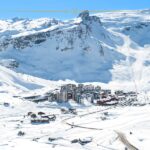
Val Thorens is synonymous with spectacular snowy landscapes, an enormous ski area, and unforgettable high-energy experiences and for that very reason, preparing for a ski holiday in this French winter-sports paradise deserves your full attention. If you want to truly make the most of it, you’ll face not only athletic challenges but also logistical ones: choosing the right time to travel, selecting effective equipment, and planning your budget wisely. A memorable winter trip requires far more than just booking a ski pass. The sections below explain step by step how to prepare properly for your journey to Val Thorens.
Planning and Preparing Your Ski Holiday in Val Thorens

A successful trip always starts with a structured plan. The first and arguably most important step in answering the question “How to Prepare for a Ski Trip to Val Thorens” is clarifying your expectations and priorities. Are you focused on performance on the slopes, or on social evenings? Is relaxation your priority, or are you aiming for an intense, all-day skiing experience? Once you define what matters most to you, every other decision becomes far easier and more targeted.
For families, planning should reflect the needs of everyone involved, from child-friendly activities to accommodations suited for group living. Group ski trips benefit significantly from booking chalets or apartments as early as possible to secure enough space and privacy. Coordinating details such as shared transportation, equipment rental, and activities in advance also helps prevent last-minute stress and unpleasant surprises.
One key element that should never be overlooked: the ski pass. Val Thorens offers a wide range of ticket options, from single-day passes to multi-day lift passes. Booking early is often cheaper and ensures a smooth start on the mountain. Reserving equipment in advance, especially if you’re planning to arrange your ski hire Val Thorens ahead of time, also saves valuable time once you arrive. Digital tools such as ski apps that combine trail maps, weather updates, and avalanche warnings can make daily planning far easier and more reliable.
Best Time to Travel and Weather Forecasting
So, when is the ideal time for a ski holiday in Val Thorens? The answer depends on what you want from the trip. The resort is typically open from late November until early May, and its high-altitude location makes it especially snow-reliable. If you’re chasing perfect powder conditions, January and February usually deliver the best snow quality. In March and April, longer days and milder temperatures become the main attraction.
Weather forecasts should be part of your daily routine. Why? In the mountains, conditions can change quickly and dramatically, affecting avalanche risk, visibility, and slope quality. Apps and official forecast portals provide live updates, warnings, and practical tips. Checking early and consistently helps you avoid wasting valuable ski days due to poor planning or, worse, ending up in dangerous conditions.
If you avoid peak season, you’ll also benefit from quieter pistes and shorter lift queues. Taking a close look at regional public holidays and French school vacation periods helps you steer clear of overcrowding and get the most out of your time.
Essential Insurance and Safety Precautions
Skiing and risk go hand in hand. That means: no one should travel to Val Thorens without comprehensive insurance coverage. Special winter sports insurance policies covering accidents on and off piste, rescue costs, repatriation, and equipment loss provide real peace of mind when things go wrong. Many providers also include cover for ski lift accidents, which can become very expensive abroad.
Travel health insurance is essential in France if you want full access to medical treatment without unexpected costs. For expert skiers and freeriders, an additional avalanche insurance policy is strongly recommended, a detail many people overlook, but one that can be critical in emergencies.
Safety begins before you even arrive. Everyone should know the emergency contact numbers, and the location of the nearest medical centre. Personal preparation also includes carrying a basic first-aid kit, reviewing local avalanche reports, and regularly practising emergency procedures to ensure you can respond calmly if something happens.
Packing List and Winter Equipment Checklist
What should you pack for a week of snow fun at 2,300 metres altitude? The answer is crucial if you want to combine comfort and safety on the mountain. Alongside breathable ski base layers and insulating mid-layers, high-quality waterproof ski jackets and trousers are non-negotiable. Without a helmet, gloves, ski or snowboard goggles, and a multifunctional neck gaiter, the outdoor experience can quickly become uncomfortable.
The right equipment plays a decisive role. Functional ski socks, high-SPF sunscreen, lip balm, ski or snowboard boots, and optional personal skis or a snowboard can significantly enhance your time on the slopes. If you’re staying in self-catered accommodation, reusable shopping bags, a water bottle, and a few small snacks are also practical essentials.
If you rent gear, make sure the size, bindings, and fit are correct and safety-checked. If you bring your own skis or board, have them serviced before the trip: sharpen edges, wax the base, and inspect bindings professionally. If you plan to ski off piste, checking your avalanche kit (transceiver, probe, and shovel) is a must.
Accommodation: From Luxury to Budget

Val Thorens offers everything for the next winter holiday: from luxury spa hotels to stylish chalets and affordable apartments. Luxury travellers often enjoy spa facilities, ski-in/ski-out access, and high-end restaurants within the hotel. For groups and families, self-catered accommodation is a reliable choice, usually offering more space and a private kitchen.
Budget travellers can save through shared rooms, hostels, or attractive early-bird discounts. If you want to cut costs, avoid accommodation directly next to the lifts and consider places in the lower village area still convenient, but often significantly cheaper with quick access to ski buses.
Choosing accommodation also comes down to practical details: proximity to rental shops, easy access to ski schools, dry storage options for equipment, and flexible check-in times. Extras such as breakfast, included lift passes, or an on-site ski locker can make a major difference when it comes to comfort and stress-free travel.
Getting There and Local Transport
There are several ways to reach Val Thorens. Most travellers arrive by car, train, or flight into Geneva, Chambéry, or Lyon. From there, you’ll cover the final stretch by bus, shuttle, or rental car. In winter, proper snow-ready winter tyres, snow chains, and flexible travel timing are essential to avoid unpleasant surprises.
As for local transport: the resort increasingly relies on environmentally friendly solutions. Free ski buses connect accommodations and lift stations, meaning you can usually leave your car parked for the entire stay. If you arrive by train, it’s best to book your transfer into the ski resort in advance to ensure a smooth and punctual arrival.
For large families or groups, renting a minivan can be a convenient option. Alternatively, shared taxis and shuttle services offer affordable alternatives to individual transport. Especially during heavy snowfall, staying updated on traffic reports and mountain pass openings is absolutely crucial.
Professional Ski Lessons and Avalanche Awareness
Even experienced skiers benefit greatly from professional lessons or workshops. If you’ve never skied or snowboarded before, investing in your first hours with licensed instructors makes your time on the slopes safer and noticeably more enjoyable right from the start. Numerous ski schools offer private and group lessons for all ages, often multilingual and with flexible scheduling.
Avalanche safety is taken very seriously in Val Thorens. Many providers teach avalanche awareness and practise the use of transceivers, probes, and shovels in open terrain. Freeriders and powder lovers should always stay informed about daily conditions and restricted zones. Knowledge about snowpack structure, sudden weather shifts, and emergency procedures often separates an adventure from a serious danger.
Modern technology, such as GPS trackers and avalanche warning apps, can provide additional guidance off piste. But the core essentials remain unchanged: teamwork, consistent practice, and the willingness to respect limits are absolutely vital for your safety.
Culinary Highlights and Après-Ski Experiences
No ski trip to Val Thorens is complete without indulgent food experiences. The culinary scene ranges from traditional Savoyard classics like raclette and tartiflette to international gourmet restaurants. Many mountain huts serve hungry skiers directly on the slopes with regional dishes and high-quality snacks.
After the final descent, the famous après-ski begins for many visitors. Bars and lounges transform into lively meeting points, with live DJs, outdoor parties, and energetic alpine entertainment. If you prefer a quieter evening, wine bars and relaxed lounges offer a calmer alternative, often with stunning views across the illuminated valley.
In peak season, booking restaurant tables early is strongly advised to avoid long waits. If you enjoy discovering new flavours, explore the dessert menus of French cuisine; the variety of cheeses, wines, and sweet specialties is impressive.
Exclusive Deals and Insider Tips
Away from the tourist hotspots, Val Thorens hides genuine insider experiences. Early risers enjoy empty slopes by taking the first lift of the day. Many also take advantage of the “First Tracks” offer, which allows exclusive skiing on freshly groomed runs before the resort officially opens.
If you love exploration, ski less well-known runs, for example towards neighbouring Les Menuires or in the direction of Orelle, where crowds are often smaller and panoramic views are spectacular. Local guides can recommend even more rewarding routes and take you to secluded restaurants.
Another highlight for adventure seekers: sunset tours in a snow groomer, guided night snowshoe hikes, or toboggan runs on lit tracks. Spa offers and open-air jacuzzis also provide exceptional relaxation after long days on the mountain.
Many ski schools also offer specialised freestyle or telemark courses, and avalanche rescue workshops provide real added value for advanced skiers.
Price Comparison, Budget Planning, and Booking Strategies
Smart spending starts long before you leave. If you want the best value for money, compare accommodation, ski passes, and rental equipment early. Off-peak travel periods and promotional weeks often provide significant savings.
Flexible travel dates allow you to choose attractive package deals, often combining accommodation, lift pass, rental gear, and sometimes even wellness access. Independent comparison portals bring transparency to costs for travel, hotels, and rental equipment. Ski schools frequently offer discounts for early booking or group pricing.
For families and groups, bundled bookings tend to be cheaper. Solo travellers often benefit from last-minute offers. A detailed budget plan should cover not only accommodation and lift passes, but also meals, transfers, excursions, and an emergency reserve. It’s also wise to have both credit cards and cash available, as smaller shops and restaurants don’t always accept international cards.
Keep insurance documents, booking confirmations, and travel paperwork accessible, both digitally and in printed form. Having secure access to these documents makes check-ins easier and prevents delays if questions arise. A final tip for bargain hunters: if you rent equipment, look for weekly packages instead of daily rates, they are usually far more cost-effective.
Conclusion
A ski trip to Val Thorens is far more than a classic winter sports holiday. It’s a multi-layered alpine adventure and with the right preparation, it can become the highlight of your season. Those who invest effort into personal planning, smart equipment choices, and proper insurance and safety measures create not only the foundation for athletic success, but also for comfort, recovery, and enjoyment at the highest level. Whether you travel as a family, couple, group, or solo with attention to detail and the right tips in your pocket, Val Thorens becomes an unforgettable winter destination.
Like it? Pin it!

Disclaimer: Some of the links on this website are “affiliate links.” This means that if you click on the link and do a purchase, I will receive an affiliate commission at no extra cost for you. This helps me keep my website running and continue to share my travelling knowledge with you. I thank you for booking your flights or hotels using the links on my website. Regardless, I only recommend products or services I use personally and believe will add value to my readers.