Nature’s Valentine: Celestial display could paint skies across northern states in dramatic hues.
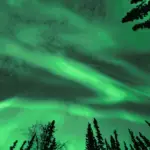
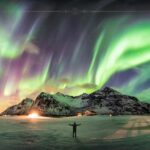
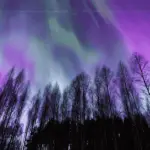
An extraordinary astronomical event is set to coincide with this year’s Valentine’s Day celebrations, as a powerful geomagnetic storm promises to bring the mesmerizing northern lights to regions rarely treated to such displays. The phenomenon could paint the night skies in vibrant colors across portions of the northern United States, offering a romantic celestial spectacle for Valentine’s Day observers.

The anticipated aurora display stems from a significant solar wind stream currently racing toward Earth from a substantial coronal hole in the sun’s atmosphere. Solar wind velocities have shown remarkable elevation throughout the week, with speeds ranging between 311 and 373 miles per second, creating ideal conditions for aurora formation.
The fascinating interaction between solar wind and Earth’s magnetic field creates the foundation for aurora displays. As charged particles from the sun collide with gases in our atmosphere, they create the characteristic glowing phenomenon known as the aurora borealis. The intensity and reach of these displays directly correlate with the strength of the solar wind and its interaction with Earth’s magnetosphere.
This particular geomagnetic event holds special significance due to its potential southern reach. Regions of northern Michigan and Maine, which typically lie outside the aurora’s usual visibility zone, stand to witness this rare celestial display. The phenomenon demonstrates the exceptional strength of the current solar activity.
The National Oceanic and Atmospheric Administration (NOAA) forecasts indicate that the geomagnetic storm conditions will begin to manifest on the evening of February 13, with peak activity anticipated throughout Valentine’s Day. The timing of this event creates a unique opportunity for romantic sky-watching across affected regions.
The event has been classified as a G1 (minor) geomagnetic storm, which, while at the lower end of the storm intensity scale, still carries sufficient strength to produce visible aurora effects at unusually southern latitudes. Previous G1 conditions earlier in the week have already demonstrated the potential for impressive displays.
The interaction between solar particles and Earth’s atmosphere produces more than just visible light. Different atmospheric gases, when energized by solar particles, produce varying colors in the aurora display. The altitude of these interactions and the types of gases involved determine the specific colors observers might witness.
Success in observing the aurora borealis depends heavily on environmental conditions. Clear, dark skies away from urban light pollution provide the best viewing opportunities. The phenomenon typically becomes visible during the darker hours between sunset and sunrise, with peak visibility often occurring around local midnight.
Modern technology has made aurora prediction more accessible than ever. Various specialized applications and websites provide real-time updates on geomagnetic activity and aurora potential. These tools have become essential for aurora enthusiasts and casual observers alike, helping them plan their viewing opportunities.
While aurora displays are not uncommon in more northern latitudes, their appearance at lower latitudes represents a special occurrence. The Valentine’s Day timing of this event adds an additional layer of significance, potentially creating memorable experiences for observers across the northern United States.
This event presents unique opportunities for photographers and astronomy enthusiasts. The combination of the aurora’s unusual southern reach and the romantic Valentine’s Day timing creates potential for exceptional night sky photography, provided weather conditions cooperate.
The visibility of the aurora display will ultimately depend on local weather conditions across the potentially affected regions. Clear skies are essential for observation, and regional weather patterns will play a crucial role in determining viewing success.
Events like this provide valuable data for scientists studying solar-terrestrial interactions. The behavior and extent of aurora displays help researchers better understand solar activity and its effects on Earth’s magnetic field and atmosphere.
These events often spark increased public interest in astronomical phenomena and citizen science. Many organizations encourage public participation in aurora spotting and reporting, contributing to broader scientific understanding of these events.
The convergence of this geomagnetic storm with Valentine’s Day creates a unique opportunity for combining romantic celebration with natural wonder. As the solar wind stream approaches Earth, observers across northern regions prepare for what could be a memorable display of nature’s own Valentine’s light show, pending favorable weather conditions and optimal viewing circumstances.