For many Americans, the idea of moving to Europe often lives somewhere between fantasy and long-term plan. It usually involves a slower lifestyle, scenic landscapes, and a cultural reset. Recently, that idea has taken on a more practical dimension. In several parts of Europe, local governments are offering real financial incentives to attract new residents.
This is not about luxury relocation packages or corporate assignments. These are small towns, remote islands, and quiet villages dealing with population decline. Younger generations are leaving, birth rates are falling, and communities are struggling to maintain schools, services, and local economies. In response, some places are offering grants, housing support, and direct payments to people willing to move in and stay.
For Americans, the opportunity exists, but it is rarely as simple as it sounds. Each program comes with conditions, long-term commitments, and, in many cases, residency requirements that take time to meet. Still, the offers are real, and in some cases, substantial.
Life on an Island in Greece
Far from the busy tourist routes of Greece, a tiny island in the Aegean Sea is trying to rebuild its population from near disappearance. Antikythera has fewer than 50 permanent residents today, a dramatic drop from past decades when small communities thrived there.
To reverse that trend, local leaders, supported by the regional church, launched a relocation initiative aimed at families. The offer includes housing provided at no cost and a monthly payment of around €500 for up to three years. Over time, that adds up to roughly $20,000 in support.
But this is not an open invitation. The program is highly selective and limited to just a handful of families. Preference is given to larger households, particularly those with multiple children, and to people with practical, hands-on skills. The island needs residents who can contribute directly to daily life, whether through farming, fishing, construction, or food production.
For Americans considering this kind of move, the lifestyle shift would be significant. Antikythera is remote, with limited infrastructure and services. The goal is not to attract remote workers looking for a change of scenery, but to rebuild a functioning, self-sustaining community.
Alpine Incentives in Switzerland
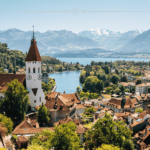
High in the mountains of Switzerland, the village of Albinen has been offering financial incentives for several years, and the program continues to draw attention.
The structure is straightforward on paper. Adults who move to the village can receive around 25,000 Swiss Francs each, with additional payments for children. For a small family, the total can approach $70,000.
However, the conditions quickly narrow the pool of eligible applicants. Participants must be under a certain age, commit to living in the village for at least a decade, and invest in property worth a minimum amount. Leaving early means repaying the funds.
The biggest barrier for Americans is residency status. Switzerland requires long-term legal residence before someone can qualify for permanent settlement status, which is necessary for this program. That process can take several years, making this less of an immediate opportunity and more of a long-term goal.
Albinen itself is a quiet mountain village, surrounded by dramatic scenery but far removed from urban conveniences. The program is designed to bring stability to the local population, not to create a temporary influx of newcomers.
Renovation Grants on the Islands of Ireland
Along the Atlantic coast of Ireland, a different approach is taking shape. Instead of direct payments for relocation, the government is offering substantial grants to renovate vacant and abandoned homes on offshore islands.
Under this initiative, buyers can receive tens of thousands of euros to restore properties, with higher amounts available for buildings in severe disrepair. The goal is to bring life back to communities that have seen decades of population decline.
The islands involved are among the most scenic parts of Ireland, known for rugged coastlines, strong cultural traditions, and a slower pace of life. But they are also remote, often accessible only by ferry, with limited access to services.
For Americans, the main challenge lies in eligibility. While purchasing property in Ireland is relatively straightforward, accessing the grant requires legal residency. Owning a house does not automatically grant the right to live there long-term.
Some Americans may qualify for Irish citizenship through family heritage, which can open the door to these programs. Without that connection, navigating immigration requirements becomes a key part of the process.
The funding itself must be used for renovation, and the property must serve as a primary residence or a long-term rental. This is not an opportunity to create a vacation home.
Big Grants in the Mountains of Italy
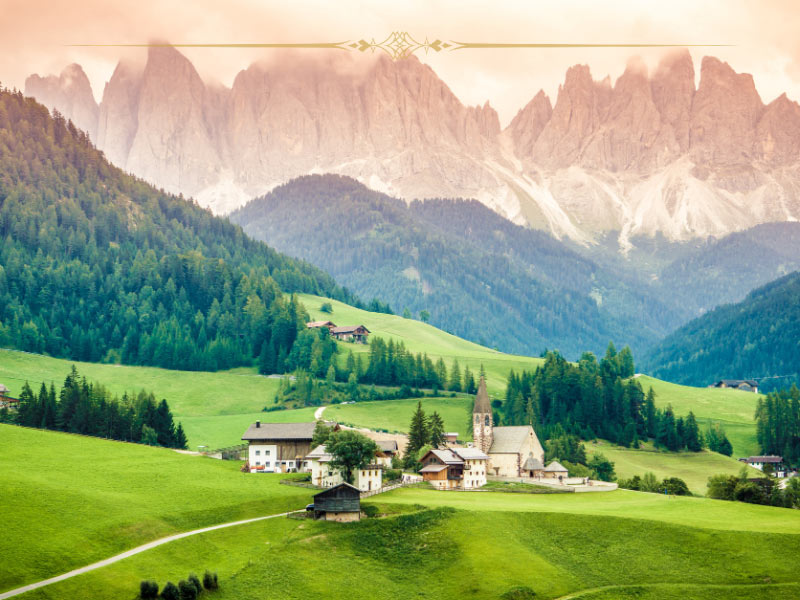
In northern Italy, one of the most ambitious relocation programs is underway. The autonomous province of Trentino is offering significant financial support to people willing to move into small, declining villages.
The funding can exceed €100,000 when combining support for purchasing property and carrying out renovations. The program covers dozens of villages scattered across valleys and mountain areas, many of which have seen steady population loss over the years.
Unlike some other initiatives, this one allows foreign applicants, including Americans, to participate. However, legal requirements around property ownership, residency, and long-term commitment still apply.
Participants must agree to live in the property or rent it out long-term for a period of at least ten years. Renovation costs are capped to ensure that projects remain in line with local character and do not turn into high-end developments disconnected from the community.
The villages themselves are not tourist centers. They are small, often quiet places where new residents can have a noticeable impact on local life. The aim is to bring sustainable activity back to these areas, not to create short-term investment opportunities.
Smaller Programs Across Spain and Beyond
Beyond the headline-grabbing offers, several smaller programs exist across Europe. In northern Spain, for example, certain rural areas are offering modest financial incentives to young families willing to settle permanently.
In parts of southern Italy, including regions like Calabria and islands such as Sardinia, local governments provide grants to encourage people to move into towns with shrinking populations. These often come with conditions such as starting a business or filling roles that are in demand locally.
While the amounts may be smaller compared to larger programs, the requirements can sometimes be more flexible. Still, the underlying goal remains the same: reversing demographic decline and preserving community life.
What Americans Need to Know Before Applying
The idea of getting paid to move to Europe can sound straightforward, but the reality is layered with administrative and legal considerations. Residency rules are often the biggest hurdle. In most cases, financial incentives are tied to legal status, which means Americans must navigate visa processes before they can access the benefits.
Another key factor is the time commitment. Many programs require participants to stay for several years, sometimes up to a decade. These are not short-term arrangements, and leaving early can result in having to repay the money.
There is also the question of lifestyle. These opportunities are concentrated in rural and remote areas. Access to healthcare, education, and employment can be limited compared to urban environments. Transportation may depend on ferries, mountain roads, or infrequent public services.
For those who are prepared for that reality, the appeal is clear. These locations offer space, natural beauty, and a slower pace of life that is increasingly hard to find in larger cities.
A Response to a Growing Challenge
Across Europe, the common thread behind these programs is demographic change. Many rural regions are aging rapidly, with younger residents moving to cities for work and education. As populations shrink, maintaining essential services becomes more difficult.
Offering financial incentives is one way to attract new residents and stabilize communities. It is a practical response to a long-term challenge, and it reflects a broader shift in how governments are approaching regional development.
For Americans, these programs represent an unusual intersection of opportunity and responsibility. The financial support can make relocation more accessible, but it comes with expectations about participation, commitment, and integration into local life.
Not a Shortcut, But a Real Opportunity
While headlines often highlight the money involved, the reality is more nuanced. These programs are not designed as shortcuts to moving abroad. They are structured efforts to rebuild communities, and they prioritize applicants who are willing to contribute in meaningful ways.
For those who meet the requirements and are ready for a significant lifestyle change, the offers can be compelling. The combination of financial support and the chance to live in some of Europe’s most distinctive landscapes creates a unique proposition.
The opportunity exists, but it requires preparation, patience, and a clear understanding of what life in these places actually involves.