
As the calendar inches closer to 2026, American travelers are already mapping out their next adventures, searching for destinations that offer something beyond the typical tourist trail. The timing couldn’t be better for Lonely Planet’s newly released rankings of where to go next year, a carefully curated collection that spans six continents and promises experiences ranging from volcanic landscapes to ancient port towns.
The travel authority’s latest recommendations blend familiar favorites with unexpected gems, creating a diverse portfolio that caters to every type of traveler. Whether you’re after cultural immersion, natural wonders, culinary exploration, or historical deep dives, this year’s list delivers destinations that reward curiosity and adventurous spirits.
A Volcanic Island Paradise in the Indian Ocean
Sitting roughly 140 miles off the coast of Mauritius, Réunion presents American travelers with an accessible slice of French territory that feels worlds away from anything familiar. This Indian Ocean island operates as an official French Department, meaning the euro is the currency and French is the primary language, yet the culture reflects a fascinating blend of African, Asian, and European influences.
The island’s natural diversity is staggering. Scientists have identified more than 400 distinct microclimates across this relatively compact territory, creating ecosystems that shift dramatically within short distances. One of the planet’s most active volcanoes, Piton de la Fournaise, regularly puts on displays of raw geological power, attracting adventurers who want to witness nature’s creative forces firsthand. The volcanic activity has shaped the terrain into dramatic cirques, deep ravines, and lush valleys that make for spectacular hiking.
What sets Réunion apart from other island destinations is its multicultural fabric. Centuries of migration from India, Africa, China, and Europe have created a society where Hindu temples stand near Catholic churches, and the local cuisine fuses flavors from multiple continents. For Americans used to melting pot culture, Réunion offers a different take on diversity, one shaped by its unique position in the Indian Ocean trade routes.
The Irish Countryside Calls
County Tipperary might not be the first place that springs to mind when planning an international trip, but this rural Irish region has quietly positioned itself as a destination for travelers seeking authenticity over Instagram-worthy hotspots. The county’s landscape unfolds in rolling green hills, ancient forests, and dramatic mountain ranges that seem purpose-built for disconnecting from modern life.
The Glen of Aherlow serves as the region’s crown jewel, a sweeping valley nestled between the Galtee Mountains and the Slievenamuck Hills. Trails wind through the glen, suitable for both serious hikers and casual walkers, while equestrian routes allow visitors to explore on horseback. The physical beauty is complemented by historical significance, with medieval ruins and ancient sites dotting the countryside.
Food enthusiasts will find plenty to appreciate in Tipperary’s agricultural traditions. The famous Cashel Blue cheese originates here, a creamy blue-veined creation that has earned international acclaim. Local farms welcome visitors, offering tastings and insights into traditional Irish dairy production. The Rock of Cashel, a spectacular medieval fortress complex, provides a dramatic backdrop for understanding Ireland’s complex history, while Cahir Castle stands as one of the country’s best-preserved fortifications.
Spain’s Ancient Port City Beckons
Cádiz claims the title of Western Europe’s oldest continuously inhabited city, and that 3,000-year history permeates every cobblestone street and sun-bleached plaza. Located on a narrow peninsula jutting into the Atlantic, this Spanish port city has witnessed Phoenician traders, Roman legions, Moorish occupiers, and the departure of Christopher Columbus on his second voyage to the Americas.
The old town’s architecture reflects centuries of maritime wealth, with elegant baroque churches and grand merchant houses creating an atmospheric maze of narrow lanes. Unlike some European cities that feel frozen in time, Cádiz maintains a vibrant contemporary culture. Local markets bustle with activity, tapas bars serve fresh seafood pulled from the surrounding waters, and beaches fringe the historic center, offering a quick escape from urban exploration.
The city’s carnival, held each February, ranks among Spain’s most exuberant celebrations, though visiting at any time of year reveals a place where locals still outnumber tourists and authentic Spanish life continues largely undisturbed by mass tourism. For Americans seeking a Spain that feels less curated and more genuine, Cádiz delivers.
North Dakota’s Presidential Landscape
Theodore Roosevelt National Park rarely appears on lists of America’s must-see natural areas, overshadowed by more famous neighbors like Yellowstone and Glacier. This relative obscurity works in visitors’ favor, as the park’s dramatic badlands remain wonderfully uncrowded even during peak travel seasons. The otherworldly terrain of eroded buttes, winding canyons, and prairie grasslands earned its national park status through its connection to the 26th president, who ranched in the area as a young man.
The park’s three units offer distinct experiences. The South Unit provides the easiest access and most developed facilities, with a scenic drive that loops through quintessential badlands scenery. Wild horses and bison roam freely, often visible from the road, while prairie dog towns create entertaining diversions. The North Unit features more rugged terrain and fewer visitors, rewarding those willing to make the drive with spectacular overlooks and excellent wildlife viewing.
Beyond the park boundaries, western North Dakota offers insights into frontier history and contemporary ranch life. Small towns preserve the spirit of the Old West without the theme park atmosphere, and local museums document both the region’s Native American heritage and the later waves of homesteaders who attempted to tame the harsh landscape.
Vietnam’s Coastal Surprise
While most American visitors to Vietnam stick to Hanoi, Ho Chi Minh City, and Ha Long Bay, the central coastal city of Quy Nhon offers a different perspective on the country. This beach destination lacks the frenetic energy of Vietnam’s major tourist hubs, instead providing a more relaxed introduction to Vietnamese coastal culture. Long stretches of sand remain largely empty even during holidays, and the local economy still centers on fishing rather than tourism.
The surrounding area holds significant historical interest. Ancient Cham temples scattered throughout the region testify to a sophisticated kingdom that once controlled much of coastal Vietnam. These archaeological sites receive far fewer visitors than the more famous temples of Southeast Asia, allowing for contemplative exploration. The coastal road north and south of the city ranks among Vietnam’s most scenic drives, hugging cliffs and passing through fishing villages that seem barely touched by time.
Fresh seafood defines the local cuisine, prepared with the light touch and fresh herbs that characterize Vietnamese cooking at its best. Night markets offer opportunities to sample regional specialties, while beachfront restaurants serve simple grilled fish with cold local beer. For travelers who want to experience Vietnam without the crowds, Quy Nhon presents an compelling alternative.
Peru Takes the Top Spot
Lonely Planet’s number one destination for 2026 hardly qualifies as undiscovered, but Peru continues to evolve beyond its greatest hits. Yes, Machu Picchu remains a bucket list essential, but the country offers far more than Incan ruins. The capital Lima has transformed into one of South America’s culinary capitals, with restaurants showcasing the incredible diversity of Peruvian ingredients and techniques.
The Amazon basin covers more than half of Peru’s territory, providing access to pristine rainforest and indigenous communities. The Andes mountain range creates dramatic landscapes and supports traditional ways of life that have persisted for centuries. Coastal deserts hold pre-Incan archaeological sites that rival Machu Picchu for historical significance, if not name recognition.
Peru’s appeal for 2026 stems partly from improved infrastructure and increased flight connections, making it easier than ever for American travelers to explore beyond the standard tourist circuit. New hiking routes, expanded hotel options in secondary cities, and growing awareness of the country’s regional cuisines all contribute to Peru’s top ranking.
Nordic Nature and Culture
Finland’s placement on the list reflects growing American interest in Scandinavian destinations that offer clear seasons, outdoor recreation, and design-forward urban culture. The country presents itself as an antidote to overstimulated modern life, with vast forests, thousands of lakes, and a cultural emphasis on connecting with nature. The concept of sisu, roughly translated as persistent determination, shapes Finnish character and provides insight into how a small nation has punched above its weight culturally and economically.
Helsinki combines waterfront beauty with world-class museums and restaurants, while maintaining a manageable scale that prevents the overwhelming feeling larger European capitals can induce. Beyond the capital, Finnish Lapland offers the chance to witness the northern lights, experience traditional sauna culture, and participate in winter activities ranging from cross-country skiing to ice swimming.
Summer in Finland brings endless daylight and perfect conditions for hiking, kayaking, and exploring the archipelago that fringes the coast. The midnight sun phenomenon attracts visitors from around the world, though Finns themselves seem to take it in stride, simply appreciating the extra hours for outdoor pursuits.
More Destinations Worth Your 2026 Travel Budget
The complete list includes several other compelling options for American travelers. Maine’s rugged coastline and seafood traditions offer domestic adventure without passport hassles. Botswana’s safari experiences emphasize conservation and low-impact tourism, attracting travelers who want to see African wildlife while supporting sustainable practices. Sardinia provides a Mediterranean island experience with fewer crowds than Greece or the French Riviera.
Mexico City continues its transformation into one of the world’s great urban destinations, with museums, restaurants, and neighborhoods that reward extended exploration. British Columbia’s combination of Vancouver’s urban sophistication and wilderness access creates a perfect blend for travelers who can’t choose between city and nature. Jeju-Do, South Korea’s volcanic island, offers beaches, hiking, and unique regional culture just an hour’s flight from Seoul.
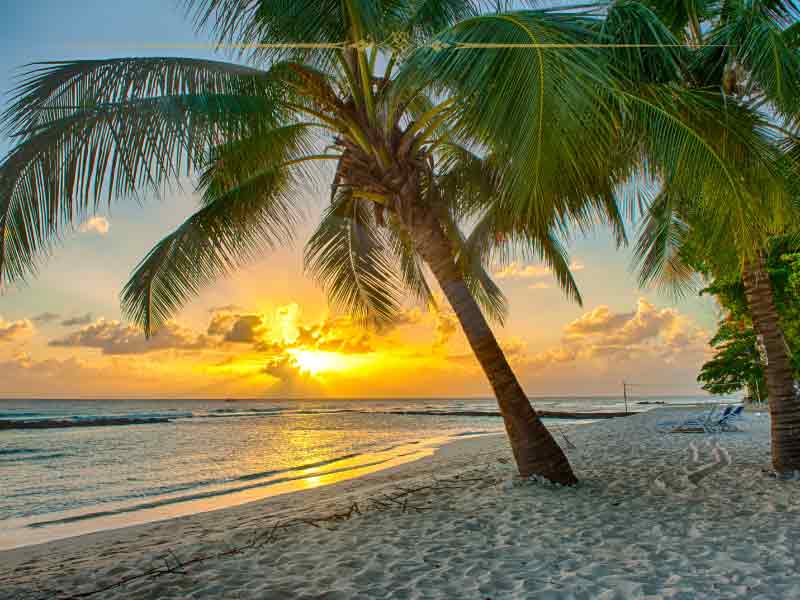
The Caribbean nation of Barbados balances beach relaxation with rich history and a vibrant contemporary culture. New Zealand’s North Island delivers geothermal wonders, Maori cultural experiences, and the accessibility of Auckland as an entry point. Cambodia’s Siem Reap has evolved beyond being simply the gateway to Angkor Wat, developing its own identity as a destination worth extended stays.
Planning Your 2026 Adventure
These 25 destinations represent dramatically different travel experiences, from urban exploration to wilderness adventure, from beach relaxation to cultural immersion. The diversity of options means nearly every type of traveler will find something appealing, whether planning a week away or a months-long journey.
The key to maximizing any of these destinations involves moving beyond surface-level tourism. Spending extra days allows patterns to emerge, locals to become familiar faces, and genuine understanding to replace first impressions. The best travel experiences rarely happen during rushed visits to major attractions but rather in quiet moments, unexpected conversations, and gradual absorption of a place’s rhythm and character.
For American travelers, many of these destinations offer advantages beyond their inherent appeal. Direct flights or easy connections make previously challenging locations more accessible. Growing awareness among tourism operators about American preferences means better service and clearer communication. At the same time, these places largely avoid the overtourism that has diminished the appeal of Europe’s most famous cities and Southeast Asia’s busiest beaches.
The coming year presents abundant opportunities for Americans willing to venture beyond the familiar. Whether drawn to volcanic islands, medieval cities, African safaris, or wild American landscapes, Lonely Planet’s recommendations provide a roadmap for travels that promise lasting memories and genuine discovery. The destinations span the spectrum from affordable to luxurious, adventurous to relaxing, exotic to surprisingly accessible. What they share is the potential to deliver experiences that justify the time and expense of international travel, places where curiosity is rewarded and the journey itself becomes the destination.