
Almost every traveler has experienced this frustrating scenario. You spend an evening browsing flights for an upcoming vacation, find some reasonable fares, and decide to sleep on it before making a decision. The next morning, you return to the same website ready to book, only to discover the prices have jumped by fifty or even a hundred dollars. What changed overnight? More importantly, did your previous searches somehow trigger the increase?
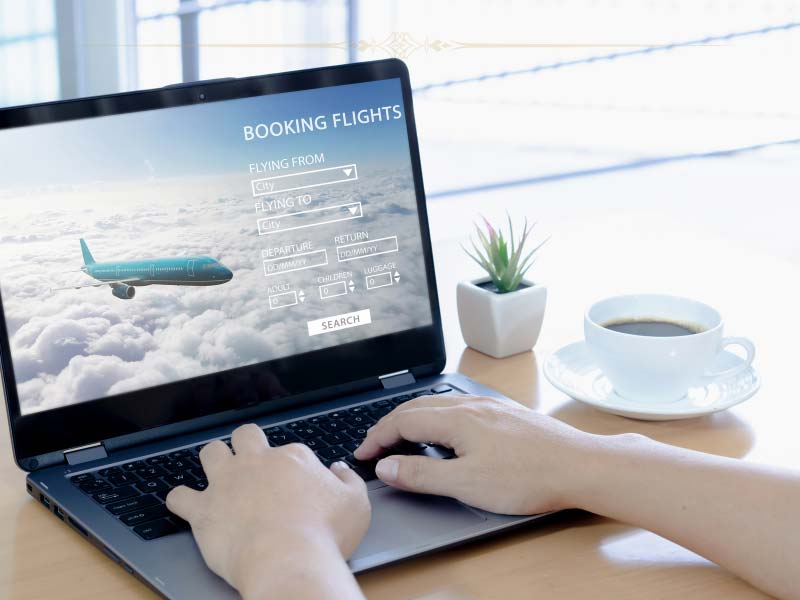
This phenomenon has sparked one of the most persistent beliefs in modern travel planning—the idea that airlines and booking websites track your searches and deliberately raise prices to pressure you into purchasing tickets immediately. The theory suggests that companies can see you repeatedly checking the same route and interpret this as serious buying intent, then capitalize on your interest by inflating the cost. Some travelers have become so convinced of this practice that they’ve adopted elaborate countermeasures, from clearing their browser history after every search to using private browsing modes exclusively when shopping for flights.
The question has generated countless online discussions, advice articles, and heated debates among travelers trying to crack the code of airline pricing. Everyone seems to have a friend who swears they’ve witnessed prices spike after multiple searches, or a relative who claims incognito browsing saved them hundreds of dollars. But what does the evidence actually show? Are these pricing increases the result of sophisticated tracking technology targeting individual shoppers, or is something else entirely at play?
Understanding How Flight Pricing Actually Works
The reality behind flight price fluctuations is simultaneously more straightforward and more complex than the conspiracy theories suggest. Airlines don’t need to track your individual browsing behavior to change their prices because they’re already changing those prices constantly based on factors that have nothing to do with you personally.
Modern airline pricing operates on a system called dynamic pricing, which adjusts fares in real time based on supply and demand. This isn’t a secret or controversial practice—it’s the standard operating procedure across the aviation industry and has been for years. The same flight can have dozens of different price points throughout the booking window, shifting up and down as circumstances change.
Think of it like a stock market for airplane seats. When demand for a particular route increases, prices rise. When demand softens, prices fall. When the number of available seats decreases, prices increase. When an airline adds capacity, prices might drop. These adjustments happen continuously, sometimes multiple times per hour, as airlines respond to booking patterns, competitor pricing, seasonal trends, and countless other variables.
The timing of these changes means that two people searching for the exact same flight just minutes apart might see different prices, not because the airline is targeting either of them individually, but simply because the fare changed in those few minutes based on broader market conditions. When you search in the evening and then again the next morning, you’re not triggering a price increase through your repeated searches—you’re just catching the flight at two different moments in its constantly shifting price cycle.
The Role of Algorithms and Data Collection
Airlines do use sophisticated algorithms and collect enormous amounts of data to set their prices. This is where some of the confusion arises, because the technology involved is genuinely complex and can seem almost omniscient in its ability to predict traveler behavior and adjust prices accordingly.
These pricing systems analyze historical booking patterns to understand when people typically purchase tickets for certain routes. They monitor competitor pricing to ensure fares remain competitive. They factor in seasonal demand, special events in destination cities, fuel costs, and dozens of other variables. The algorithms can even predict with reasonable accuracy how many seats will sell at various price points, allowing airlines to optimize their revenue.
However—and this is crucial—these systems operate at a macro level, not a micro level. They’re looking at aggregate trends across thousands or millions of travelers, not tracking whether you specifically have searched for a London to New York flight three times this week. The data collection and analysis focuses on broad patterns of consumer behavior, not individual browsing sessions.
When an airline’s pricing algorithm adjusts a fare, it’s making that change for everyone searching at that moment, not targeting specific individuals who’ve shown previous interest. The system doesn’t have the capability or the need to identify you personally, remember your search history, and serve you a higher price based on your apparent urgency to buy.
The Incognito Browser Myth
Given the persistent belief in search-based price increases, travelers have developed various strategies to supposedly outsmart the system. The most common recommendation is to use incognito or private browsing mode when searching for flights. The logic seems sound at first glance—if websites can’t place cookies on your device or access your browsing history, they can’t see your previous searches and therefore can’t raise prices based on that information.
Industry experts, however, are unanimous in their assessment that this technique makes no meaningful difference to the prices you’ll see. The reason is simple: if airlines aren’t raising prices based on individual search history in the first place, then blocking them from seeing that history accomplishes nothing.
Private browsing does prevent websites from storing cookies on your device, which means they can’t maintain information about your session after you close the browser. But the flight prices displayed aren’t being adjusted based on cookies from your previous visits. They’re coming from the airline’s central pricing system, which is responding to real-time supply and demand dynamics that exist independently of your personal browsing behavior.
Some travelers report success with incognito browsing, claiming they found lower prices when using it. The most likely explanation for these experiences is simple timing and coincidence. If you search for a flight in normal browsing mode, then switch to incognito and find a lower price, the fare probably dropped in the time between your searches due to the constant fluctuations in dynamic pricing. You would have seen the same lower price if you’d simply refreshed your original search.
What Cookies Actually Do
Understanding what cookies are and how they function can help clarify why they’re not the villain in flight pricing scenarios. Cookies are small text files that websites store on your computer or phone when you visit them. They serve various purposes, from keeping you logged into accounts to remembering items in your shopping cart to tracking your activity across different websites for advertising purposes.
When you visit a travel booking site, cookies do record information about your visit. They might note which flights you viewed, which dates you searched, and how long you spent on different pages. This data can be valuable for the website’s own analytics and for serving you targeted advertisements later—you’ve probably noticed flight ads following you around the internet after browsing airline sites.
However, there’s a critical distinction between using cookies for advertising and using them to manipulate prices. Just because a website can track your behavior doesn’t mean it’s using that tracking to charge you more. The flight prices displayed on booking platforms come from the airlines’ pricing systems, not from the booking website’s analysis of your cookie data.
Major flight comparison sites have stated explicitly that the prices they display are unbiased and aren’t adjusted based on individual user history. These platforms have contractual obligations with their airline partners to show accurate, available fares. Deliberately inflating prices for certain users would violate these agreements and could expose them to legal liability.
Why Prices Really Change
If individual search history isn’t driving price changes, what is? Several factors contribute to the constant flux in airfares, and understanding these can help travelers make more informed booking decisions.
Supply and demand remains the fundamental driver. When many people want to fly a particular route and relatively few seats are available, prices rise. This explains why flights during peak holiday periods cost more than the same routes during off-peak times. It also explains why prices for a specific flight tend to increase as the departure date approaches and available seats become scarcer.
Booking pace influences pricing algorithms. If a flight is selling seats faster than the airline anticipated, the system will raise prices to maximize revenue from the remaining inventory. Conversely, if a flight is selling slowly, the airline might lower prices to stimulate demand and fill empty seats.
Competitor actions trigger responses. Airlines monitor each other’s pricing constantly. If one carrier drops fares on a particular route, competitors often match or beat that price. These adjustments ripple across the market quickly, causing prices to shift even for travelers who aren’t comparison shopping.
Time-based factors play a role independent of demand. Some airlines make systematic pricing adjustments at specific times of day or week, updating their inventory systems and implementing new fare strategies. If you happen to search during one of these update windows, you might see prices that differ from just hours earlier.
Inventory management drives tactical price changes. Airlines don’t simply have one price for economy class—they have multiple fare classes within economy, each with different prices and restrictions. As lower-priced fare classes sell out, the displayed price for that flight jumps to the next available fare class, even if overall demand hasn’t changed.
Strategies That Actually Work
Rather than relying on incognito browsing or other myths, travelers can employ several evidence-based strategies to find better airfares. These approaches work with the realities of airline pricing rather than against imaginary targeting systems.
Setting up price alerts through comparison websites or airline apps allows you to monitor fare changes over time without constantly searching manually. These alerts notify you when prices drop or when they’re approaching levels you’ve indicated interest in. This passive monitoring gives you the benefits of continuous price checking without the time investment or the false belief that each search is somehow affecting the price.
Flexible date searching reveals the full picture of pricing across different travel days. Instead of fixating on specific dates, use the calendar or flexible date features available on most booking platforms. These tools display prices across an entire month or even longer periods, making it easy to spot when fares are genuinely lower. Often, shifting your travel dates by even a day or two can result in significant savings.
Considering alternative airports expands your options and often uncovers better deals. Major metropolitan areas typically have multiple airports, and the price differences between them can be substantial. A flight into a secondary airport might require slightly more ground transportation but could save enough to make the inconvenience worthwhile.
Booking during optimal windows tends to yield better prices, though these windows vary by route and destination. For domestic flights, purchasing several weeks in advance typically offers a good balance between availability and price. For international travel, booking several months ahead often produces the best results. However, these are general guidelines rather than hard rules, and pricing patterns vary significantly by region and season.
Understanding airline pricing cycles helps with timing decisions. While prices fluctuate constantly, they often follow broader patterns over the course of a week. Some research suggests that certain days of the week see more fare adjustments than others, though these patterns aren’t consistent enough to serve as a reliable booking strategy on their own.
The Psychology Behind the Myth
Given that repeated searches don’t actually cause price increases, why does this belief persist so strongly? The answer lies in human psychology and how we interpret patterns in random or complex data.
Confirmation bias leads us to notice and remember instances that support our existing beliefs while discounting or forgetting contradictory evidence. If you believe that searching raises prices, you’ll pay close attention when you search multiple times and see a price increase, interpreting it as proof of the phenomenon. When you search multiple times and the price stays the same or drops, you’re less likely to file that experience away as memorable.
The frequency of price changes means that seeing different prices between searches is actually normal and expected. With fares adjusting continuously based on supply and demand, the odds are quite good that any two searches separated by time will show different prices. When that difference is an increase, it feels significant. When it’s a decrease, we rarely attribute it to our searching behavior.
Pattern recognition is a fundamental human trait that helped our ancestors survive but can lead us astray in complex modern systems. We’re predisposed to see cause-and-effect relationships even when events are merely correlated or coincidental. Searching for flights followed by a price increase creates a compelling narrative sequence in our minds, even though the two events aren’t actually connected.
The complexity of airline pricing systems makes them feel mysterious and potentially manipulative. Most travelers don’t understand the intricacies of revenue management algorithms and dynamic pricing, so it’s natural to fill that knowledge gap with theories that seem plausible based on limited observations.
Industry Transparency and Trust
The persistence of the price-tracking myth also reflects broader issues of trust between consumers and airlines. The airline industry has faced criticism over the years for various pricing practices, fees, and policies that many travelers find frustrating or unfair. In this context, it’s perhaps understandable that consumers might suspect airlines of employing every possible tactic to extract more money.
However, targeting individual searchers with inflated prices would be both technically unnecessary given the effectiveness of demand-based pricing and potentially risky from a business and legal perspective. Airlines and booking platforms have strong incentives to maintain pricing that consumers perceive as fair, even if not always affordable. Being caught deliberately showing different prices to different users based on tracking their behavior would damage trust and could trigger regulatory scrutiny.
Major booking platforms have been explicit about not adjusting prices based on individual search history, and there’s no evidence of widespread practices that would contradict these statements. While the absence of evidence isn’t always evidence of absence, in this case, the combination of industry denials, the lack of documented proof despite millions of suspicious travelers, and the logical explanation of dynamic pricing based on supply and demand makes the conspiracy theory increasingly untenable.
Making Peace with Price Fluctuations
Understanding that flight prices change constantly for legitimate reasons rather than as targeted responses to your searches can actually be liberating. It means you can search as many times as you want without worrying about triggering price increases. You can compare options across multiple websites without fear. You can take time to make decisions without the anxiety that the act of researching itself is costing you money.
At the same time, this understanding clarifies that prices genuinely do fluctuate and that waiting doesn’t guarantee a better deal. Dynamic pricing means that fares can rise just as easily as they can fall. If you find a price that fits your budget and meets your travel needs, there’s no reason to hesitate based on false beliefs about search tracking.
The most effective approach combines this knowledge with the practical strategies outlined earlier. Use price alerts to monitor fares passively. Be flexible with dates and airports where possible. Understand that prices reflect supply and demand rather than personal targeting. Make decisions based on whether a price works for your budget and plans, not on superstitions about clearing cookies or using incognito mode.
The flight price tracking myth is persistent and widespread, but it’s ultimately just that—a myth. Airlines use sophisticated technology to price their seats, but that technology focuses on aggregate market conditions rather than individual searcher behavior. The price changes you observe between searches reflect the constant flux of supply and demand, not a system designed to manipulate you personally. Understanding this reality allows for more rational, less stressful flight shopping and better decision-making about when to book and how much to pay.