A woman’s account of an in-flight encounter has recently gone viral on social media, reigniting conversation about passenger entitlement and how some travelers behave when they decide they want something that belongs to someone else. She shared the story publicly posting her detailed recollection on a major online forum where it quickly gained attention from thousands of readers who recognized the behavior she described and related similar experiences of their own.
The incident she describes took place when she was a young girl traveling alone from Jamaica to America for the first time, but the memory has clearly stayed with her in vivid detail. What she has chosen to share now is not just the experience of a rude passenger, but a specific moment that encapsulates something troubling about how some airline passengers behave when they decide they want something that belongs to someone else. The response online has been immediate and significant, with people sharing their own stories of similar encounters and expressing outrage at the behavior she describes.
For Americans who fly regularly, the incident that she has just made public is a window into the dynamics of air travel disputes and how passengers sometimes rationalize behavior that would be unacceptable in almost any other context. The fact that it is being discussed right now, with fresh outrage from readers, suggests that the issue remains as relevant today as it was when the incident originally occurred.
The Details of What Happened During That Flight
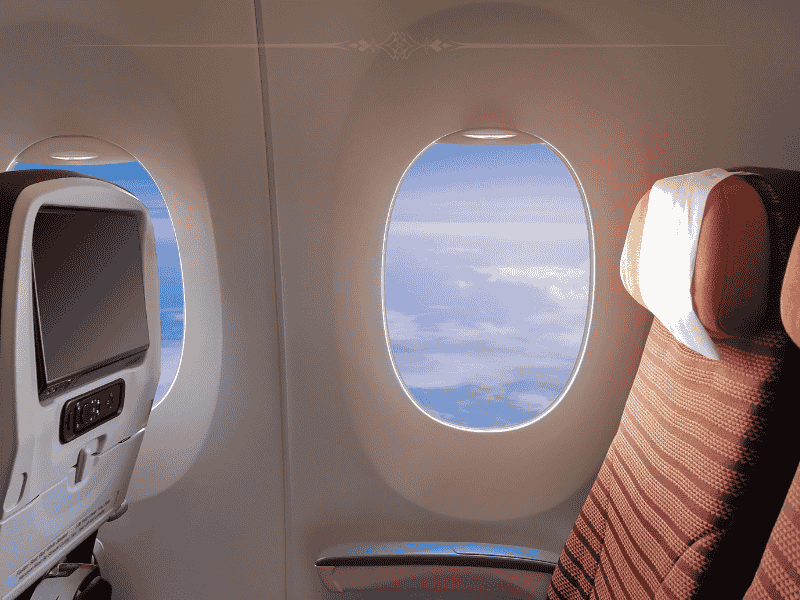
According to the account she posted online, she was a young girl when she made the journey from Jamaica to the United States. It was her first international flight, and her family made arrangements specifically to help make the experience less frightening for a child flying alone. Her grandmother paid extra to secure a window seat for her, understanding that being able to look out the window during flight would provide comfort and distraction during what was understandably an emotional and scary experience for a young person leaving her mother behind.
The child boarded the aircraft, found her assigned seat by the window, and settled in. The middle seat beside her was empty, and a man was seated in the aisle seat on the other side of the middle seat. For the beginning of the flight, everything proceeded normally. The young girl was doing what her grandmother had hoped she would do: looking out the window and finding comfort in that view during her journey to a new country.
At some point during the flight, the man in the aisle seat approached her with a request. He asked her to switch seats with him so that he could have the window seat and she could take the aisle seat. The child declined. She did not want to give up the seat that her grandmother had specifically paid extra money to provide for her. It was not simply a seat assignment. It was a small gesture from her grandmother meant to comfort her, and the child understood it as such.
When she refused the request, the man did not simply accept her answer. Instead, he argued with her. He told her that she was not even using the window seat properly, that she was not looking out the window in a way that justified her sitting there. He suggested that because he wanted the seat and she was just a child, the seat should go to him. The young girl, frightened and alone on her first international flight, continued to refuse. She maintained her position, telling him repeatedly that the seat was hers.
Eventually, the man gave up the verbal confrontation and fell silent. For the remainder of the flight up to that point, nothing else happened. The child thought the matter was resolved. She had no idea what was about to occur.
The Moment Everything Escalated
The trouble resumed when the young girl needed to use the bathroom. She gathered her courage and left her seat to make her way to the lavatory. The flight was long enough that using the bathroom was necessary, and she forced herself to overcome her nervousness about the process. However, when she reached the aircraft lavatory, she became frightened by the space and what she encountered. She turned around and came back toward her seat almost immediately, having decided that using the bathroom was not necessary.
When she returned to her row, she discovered that the man had moved from his aisle seat into her window seat. The seat that had been paid for by her grandmother, the seat that had been assigned to her, the seat that was supposed to be hers for the duration of the flight, was now occupied by the adult passenger who had previously failed to convince her to voluntarily surrender it.
The child stood in the aisle and addressed the man directly. She told him that he was sitting in her seat. His response was to mumble in her direction that she was not using the window seat anyway, repeating the same excuse he had offered earlier. He made no move to leave. He simply sat in the stolen seat and acted as though the child was not worth responding to properly.
The situation had now escalated from a passenger attempting to persuade another passenger to trade seats, to a passenger actively taking a seat that belonged to someone else and refusing to return it when asked to do so by the person whose seat it was.
How Flight Crew Responded to the Theft
A flight attendant eventually became aware of the situation and intervened. The child, standing in the middle of the aisle, had caught the attention of crew members who realized something was amiss. The flight attendant asked what was happening. The child explained that the man was sitting in her seat.
When the flight attendant examined both passengers’ tickets, the situation was immediately clear. The window seat was assigned to the child. The man’s assigned seat was somewhere else entirely. He had simply moved into a seat that was not his while the child was away from it momentarily.
Rather than immediately acknowledging that he was in the wrong and returning to his assigned seat, the man argued. He maintained that the child should not have the window seat because she was just a little kid and was not using it properly. He insisted that the seat was being wasted on her, that he deserved to have it more than she did, and that she should find another seat while he remained where he had placed himself.
The flight attendant, having dealt with similar situations before, offered to move the man to a different seat. The man continued to argue, refusing to accept the solution that would allow him to maintain his dignity and simply move to his assigned seat or to another available seat that he could legitimately occupy. He persisted in demanding that the child give up her seat and find somewhere else to sit while he kept the window seat for himself.
Eventually, the man relented. He followed the instructions of the crew member and moved to another location. The child was allowed to reclaim the seat that had been assigned to her and paid for by her grandmother.
Why This Story Is Making People Angry Right Now
The woman’s decision to share this story online in recent days has struck a nerve with readers who recognize the behavior she describes and who are frustrated by how casually some passengers approach rules and fairness. The comments section of her post has filled up rapidly with people sharing their own experiences of similar behavior on flights, suggesting that this is not an isolated incident but part of a broader pattern.
What people are responding to is not just the rudeness of the passenger, but the specific excuse he offered when confronted by the flight attendant. The idea that a child was not using a window seat correctly, that somehow she was wasting it by not looking out the window constantly or in the way he deemed appropriate, represents a level of entitlement that readers find shocking and infuriating. The fact that an adult argued this position to a flight attendant and seemed genuinely aggrieved when the child was allowed to keep her assigned seat speaks to a mindset that prioritizes personal preference over basic fairness and rules.
Flight crews and frequent flyers are commenting on how the behavior she describes remains common on flights today. Disputes over seating, attempts to convince other passengers to trade seats, and occasionally the actual taking of seats that do not belong to someone are reported regularly. The difference in this case was that it involved an adult and a child, and the adult’s refusal to accept the outcome even after being corrected by a flight attendant.
What This Reveals About Airline Culture
Flight attendants and airline crew members report that disputes over seating have become increasingly common and increasingly heated in recent years. The reasons are multiple: flights are more crowded, passengers are more stressed, and the cost of tickets has risen to the point where people feel more invested in what they have purchased. A window seat on a long flight, which might seem like a minor comfort to one person, might represent a significant portion of what someone else paid for their ticket.
The behavior exhibited in this incident, where a passenger attempts to take what is not theirs and then argues that they deserve it more than the person it belongs to, is not unusual enough to be shocking. It is not a one-time occurrence or an isolated incident of passenger misbehavior. The fact that people are sharing similar stories in response to this woman’s post, and doing so right now as the conversation is happening online, demonstrates that this is an ongoing issue in air travel.
What is notable about this particular case is how clearly it illustrates the mentality behind such behavior. The man did not simply want the window seat because he had not secured one for himself. He wanted it because he had decided that the child occupying it did not deserve it, that she was not using it in a way he found acceptable, and that his preference should override her assigned seat. When authority figures intervened and enforced the actual rules, he still resisted and still seemed genuinely aggrieved that the situation was being resolved in her favor rather than his.
The Story That Won’t Go Away
The woman’s decision to post this story online now, years after the incident occurred, has given it new life and new relevance. She has mentioned that she has never forgotten the stranger’s sense of entitlement or the excuse he used to justify his actions. By sharing it publicly now, she has opened up a conversation that clearly resonates with many people who have experienced similar behavior on flights.
For Americans traveling on flights today, this story that is currently circulating online serves as a reminder that airline seating disputes are a real and ongoing phenomenon, that crew members are there to enforce the rules when those disputes occur, and that the rules are there precisely to prevent situations like this from becoming normalized. A seat is assigned. That seat belongs to the person it is assigned to. That passenger’s use of the seat is not subject to judgment by another passenger who wishes the seat had been assigned to them instead.
The fact that this dispute involved an adult and a child makes it particularly egregious, and it is precisely why the story is generating the level of outrage it is receiving right now. But the underlying principle applies to all passengers: respect seat assignments, accept the seating that has been allocated, and do not take what is not yours, regardless of what excuse you can construct for why you should be allowed to keep it.