
As record-breaking temperatures sweep across popular vacation destinations worldwide, medical professionals and travel specialists are witnessing a concerning pattern of preventable heat-related incidents among tourists. Emergency rooms in major travel hubs report increased admissions of visitors suffering from dehydration, heat exhaustion, and severe sunburn, with many cases directly linked to common travel mistakes during extreme weather conditions.
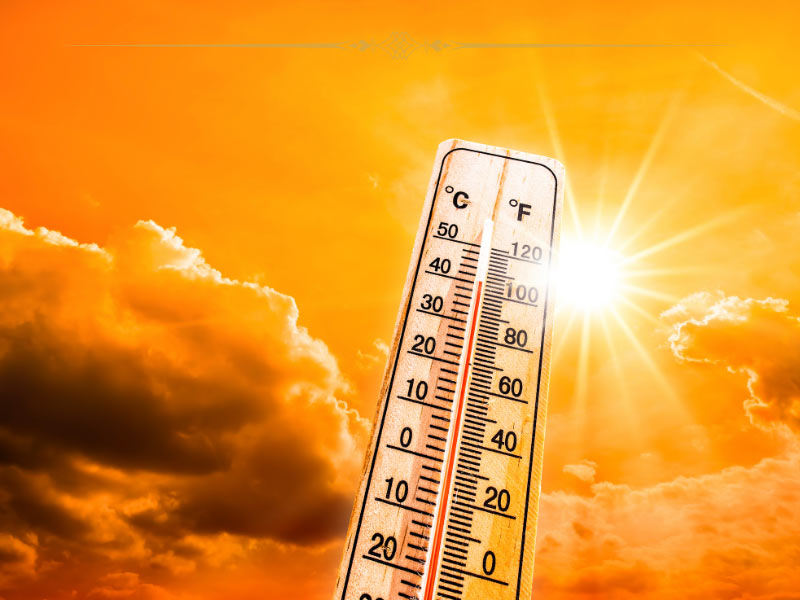
The surge in heat-related tourist emergencies has prompted healthcare systems in affected regions to develop specialized protocols for treating visitors who lack experience managing extreme temperatures. Hospital administrators note that tourists often arrive at emergency facilities after making critical errors in heat management, frequently underestimating the cumulative effects of prolonged sun exposure combined with physical exertion.
Tourism boards across heat-affected regions have begun implementing emergency advisory systems specifically targeting international visitors, recognizing that many travelers come from moderate climates and possess limited experience navigating dangerous temperature conditions. These initiatives reflect growing concern about tourist safety as climate patterns produce increasingly severe heat events in traditional vacation destinations.
Dangerous Misconceptions About Sun Protection Strategies
One of the most prevalent and dangerous mistakes involves fundamental misunderstandings about effective sun protection during extreme heat conditions. Medical professionals report that many tourists arrive at emergency facilities with severe burns after spending minimal time outdoors, having significantly underestimated the intensity of solar radiation during heat waves.
Emergency room physicians document cases where tourists suffered second-degree burns after exposure periods as brief as thirty minutes, particularly during midday hours when ultraviolet radiation reaches peak intensity. These incidents often involve travelers who applied inadequate amounts of sunscreen or failed to reapply protection according to recommended schedules.
The misconception that cloudy or windy conditions provide meaningful protection from solar radiation has led to numerous emergency situations. Weather conditions during heat waves can create deceptive environments where tourists feel comfortable despite dangerous levels of ultraviolet exposure. Wind and cloud cover may reduce perceived temperature while maintaining harmful radiation levels that can cause rapid skin damage.
Dermatological experts emphasize that many tourists fail to understand the cumulative nature of sun exposure damage. Brief periods of unprotected exposure throughout a vacation can combine to create severe burning, even when individual exposure incidents seem manageable. This cumulative effect often catches travelers off-guard, particularly those accustomed to moderate climates where similar exposure levels would not produce immediate consequences.
Critical Timing Errors in Daily Activity Planning
Tourism safety specialists have identified systematic errors in how travelers structure their daily activities during extreme heat events. The most common mistake involves scheduling outdoor activities during peak temperature periods, typically between late morning and mid-afternoon when solar radiation and ambient temperatures reach dangerous levels.
Travel medicine practitioners report treating numerous cases where tourists attempted strenuous activities during the hottest portions of the day, leading to rapid onset of heat exhaustion and dehydration. These incidents often involve hiking, walking tours, or extended sightseeing activities that would be manageable under normal conditions but become dangerous during heat waves.
The failure to adopt local scheduling patterns represents another significant risk factor. Many heat-adapted cultures have developed daily rhythms that minimize exposure during peak temperature periods, incorporating rest periods during the hottest hours. Tourists who maintain their normal activity schedules often expose themselves to conditions that local residents carefully avoid.
Emergency responders note that many heat-related tourist incidents occur among travelers who feel pressured to maintain ambitious sightseeing schedules despite dangerous conditions. The psychological investment in vacation planning can create reluctance to modify activities, leading tourists to persist with outdoor plans despite obvious warning signs of heat stress.
Wardrobe Decisions That Amplify Heat Stress
Clothing choices represent a frequently overlooked but critical factor in heat management during extreme temperature travel. Fashion preferences and cultural expectations often override practical considerations, leading tourists to make wardrobe decisions that significantly increase their vulnerability to heat-related health problems.
The counterintuitive nature of effective hot weather clothing confuses many travelers, particularly the principle that additional coverage can provide better cooling than minimal clothing. Tourists often assume that exposing maximum skin surface will improve comfort, failing to understand how direct solar radiation on exposed skin creates greater heat stress than properly chosen covering materials.
Synthetic fabric choices compound heat management problems by trapping moisture and preventing effective evaporative cooling. Many travelers pack synthetic materials for perceived durability advantages without considering how these fabrics perform in extreme heat conditions. The result is clothing that actively contributes to overheating rather than providing protection.
Color selection mistakes also contribute to heat-related problems, as darker clothing absorbs more solar radiation and increases body temperature. Tourists often prioritize aesthetic preferences over practical heat management, choosing clothing colors that significantly increase their thermal burden during outdoor activities.
Hydration Strategies That Backfire in Extreme Conditions
Fluid management represents one of the most critical yet commonly misunderstood aspects of heat wave travel safety. Emergency medical professionals report that many tourists suffering from dehydration had been consuming what they believed were adequate fluid volumes, but had made critical errors in hydration strategy that negated their efforts.
The misconception that any liquid consumption contributes to hydration leads tourists to rely on beverages that actually increase dehydration risk. Alcoholic drinks, caffeinated beverages, and high-sugar drinks can accelerate fluid loss while creating a false sense of adequate hydration. This problem intensifies during vacation periods when alcohol consumption typically increases as part of the leisure experience.
Timing errors in hydration create additional problems, as many tourists attempt to compensate for inadequate fluid intake by consuming large volumes when they begin feeling symptoms of dehydration. Emergency physicians explain that effective hydration requires consistent fluid intake throughout the day, as the body cannot rapidly absorb and utilize large volumes consumed over short periods.
Electrolyte imbalance represents another critical but often ignored aspect of proper hydration during extreme heat. Tourists who focus exclusively on water consumption without replacing essential minerals lost through perspiration can develop dangerous electrolyte deficiencies. These imbalances can cause muscle cramping, weakness, and cognitive impairment that significantly increase injury risk.
The failure to anticipate increased fluid needs during heat waves leads many tourists to begin activities with inadequate hydration reserves. Pre-hydration becomes essential during extreme temperature conditions, as the body requires higher baseline fluid levels to manage increased perspiration and cooling demands.
Indoor Activity Avoidance Creates Unnecessary Risk
Cultural expectations about vacation activities often prevent tourists from making sensible adjustments to extreme heat conditions. The perception that indoor time represents wasted vacation opportunity drives many travelers to persist with outdoor activities despite dangerous conditions, leading to preventable heat-related emergencies.
Studies show that travelers often feel pressure to maximize outdoor experiences, particularly when visiting destinations associated with sunshine and outdoor activities. This psychological pressure can override rational assessment of safety conditions, leading tourists to continue dangerous activities despite obvious warning signs.
The failure to research and plan alternative indoor activities leaves tourists feeling that retreat from outdoor conditions means vacation failure. Many popular destinations offer extensive indoor cultural attractions, shopping, and entertainment options that can provide fulfilling experiences during peak heat periods, but tourists often lack awareness of these alternatives.
Air conditioning dependency among tourists from temperate climates can create additional problems when they attempt to adapt to extreme heat. Visitors accustomed to climate-controlled environments may lack the physiological adaptations necessary to tolerate even brief exposures to extreme temperatures, making gradual acclimatization strategies essential.
Sleep Pattern Disruptions Compound Heat Stress
Rest and recovery strategies during heat wave travel often fail to account for the physiological demands of extreme temperature exposure. Tourists frequently maintain normal sleep schedules despite conditions that require modified rest patterns for effective heat management and recovery.
The failure to adopt afternoon rest periods during peak heat hours prevents effective recovery from morning heat exposure and leaves travelers vulnerable during extended daily activity periods. Traditional siesta patterns in heat-adapted cultures provide essential recovery time that allows sustained activity during cooler evening and early morning periods.
Sleep quality often deteriorates during extreme heat conditions, leading to inadequate recovery between days of heat exposure. Tourists may not recognize that poor sleep quality increases vulnerability to heat stress, creating cumulative effects that worsen throughout extended vacation periods.
Evening activity planning mistakes compound sleep disruption problems, as tourists often schedule late activities without considering how extended evening exposure affects recovery time. The perception that evening hours are automatically safe during heat waves can lead to overexertion during periods when temperatures remain dangerously elevated.
Overambitious Itinerary Planning Ignores Physical Limitations
Vacation planning often fails to account for the additional physical demands imposed by extreme heat conditions. Tourists frequently attempt to maintain normal activity levels despite conditions that require significant modifications to prevent heat-related health problems.
The psychological investment in pre-planned activities creates resistance to necessary schedule modifications, even when conditions clearly exceed safe parameters. Emergency responders report numerous cases where tourists persisted with planned activities despite experiencing early symptoms of heat exhaustion, leading to more severe medical emergencies.
Physical fitness misconceptions lead many tourists to believe that general health provides adequate protection against heat-related problems. Emergency medical professionals emphasize that even physically fit individuals can rapidly develop heat exhaustion when exposed to extreme conditions without proper precautions and activity modifications.
Competitive attitudes among travel groups can create peer pressure that discourages necessary safety modifications. Group dynamics often reward persistence over prudent safety decisions, leading entire groups to engage in dangerous activities rather than acknowledge the need for heat-related restrictions.
Medication and Health Condition Oversights
Pre-existing health conditions and medication regimens create additional vulnerabilities during extreme heat exposure that many tourists fail to recognize or address. Medical professionals report increased emergency admissions among travelers whose underlying health conditions were exacerbated by heat exposure.
Blood pressure medications, diuretics, and other common prescriptions can significantly alter heat tolerance and increase dehydration risk. Tourists often fail to consult healthcare providers about heat-related modifications to medication schedules or additional precautions necessary during extreme temperature exposure.
Chronic condition management becomes more complex during heat waves, as standard management strategies may prove inadequate under extreme conditions. Diabetes management, heart condition monitoring, and other routine health maintenance require modification during heat wave travel, but tourists often lack awareness of necessary adjustments.
The disruption of normal routines during vacation can compound medication management problems, particularly when combined with heat stress that affects medication absorption and effectiveness. Time zone changes, altered meal schedules, and modified activity patterns all interact with heat exposure to create complex medical management challenges.
Emergency Recognition and Response Failures
The gradual onset of heat-related health problems often prevents tourists from recognizing dangerous symptoms until medical intervention becomes necessary. Many heat-related emergencies develop over hours rather than minutes, making early recognition and response critical for preventing serious complications.
Body signal recognition failures occur frequently among tourists focused on vacation activities rather than health monitoring. Early symptoms of heat exhaustion, including fatigue, mild nausea, and decreased performance, are often dismissed as normal vacation fatigue rather than recognized as warning signs requiring immediate response.
The social dynamics of group travel can discourage individuals from acknowledging heat-related symptoms, as tourists may fear disappointing companions or disrupting group activities. This social pressure can delay necessary medical attention until symptoms become severe enough to require emergency intervention.
Emergency response planning failures compound recognition problems, as many tourists lack knowledge of local emergency services or medical facilities. The assumption that heat-related problems resolve quickly with minimal intervention can delay appropriate medical response during serious heat emergencies.