The European Union is reconsidering when to launch a new travel registration system after a related border security initiative created massive delays at European airports and land crossings. The European Travel Information and Authorisation System, known as ETIAS, was originally scheduled to begin operations in the final quarter of 2026. But behind-the-scenes discussions among EU officials and the agency responsible for implementing the system suggest the launch may be postponed to sometime in 2027, a delay that reflects broader concerns about whether Europe’s border infrastructure can handle additional screening systems.
The postponement decision has not been officially announced, but multiple sources have informed media outlets that the agency responsible for implementing ETIAS, a organization called EU-LISA, has acknowledged that launching the new system by the end of 2026 is no longer feasible. The timing of the delay is directly tied to the disastrous rollout of a separate system called EES, the Entry/Exit System, which was fully implemented across EU borders in April 2026 and immediately created the worst border congestion European airports have experienced in years.
For American travelers, the delay affects how they will eventually travel to Europe. ETIAS will require Americans and citizens of other countries that do not need visas to travel to Europe to pre-register online before their trip. The system is designed as a security screening process, similar to the American ESTA system that Americans already use when traveling to the UK. But the delays in getting ETIAS operational reflects genuine concerns about whether adding another layer of border processing to an already overwhelmed system will create even worse congestion at European entry points.
How European Border Chaos Led to This Delay
Understanding why ETIAS is being delayed requires understanding what happened when the EES system launched earlier in 2026. The Entry/Exit System was implemented as a new biometric screening process that requires travelers entering the Schengen Area to have their fingerprints and facial biometrics recorded at border checkpoints. The system was designed to enhance border security and to create a digital record of everyone entering and leaving European territory.
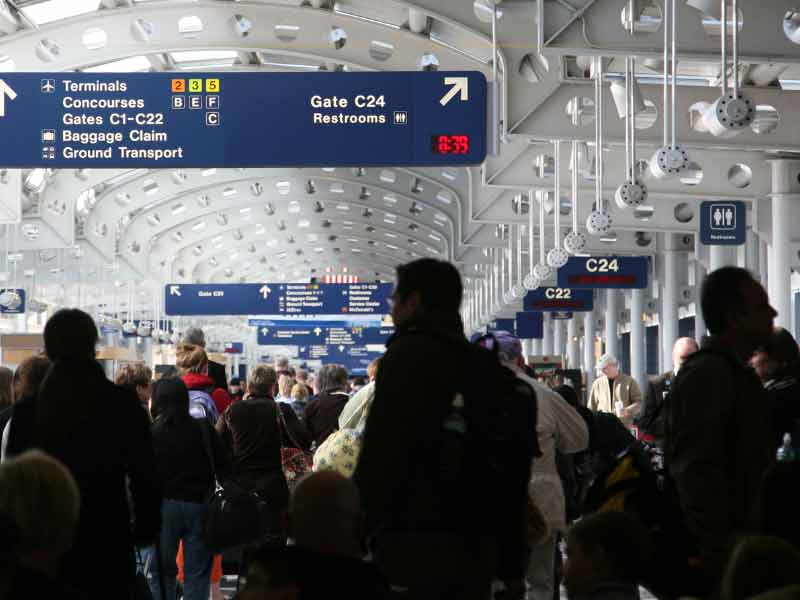
When EES went fully operational in April 2026, it immediately created unprecedented congestion at European airports and land borders. Travelers arriving at major European airports found themselves in queues that lasted for hours. At some borders, wait times exceeded five hours just to pass through immigration and get fingerprints and facial images recorded. The congestion was so severe that it affected connecting passengers who missed flights because they were stuck in entry queues, and it backed up entire terminals with arriving travelers.
Airports in major cities including Milan experienced particularly severe bottlenecks. In one documented incident, over one hundred passengers missed their connecting flights because they were unable to clear immigration in time. The delays disrupted travel for thousands of people and created enormous frustration among travelers who had not anticipated spending hours just trying to enter Europe.
Airlines, airports, and travel industry organizations quickly began criticizing the EES implementation as inadequately planned and executed. They argued that while border security is important, the system had been deployed without sufficient infrastructure to handle the volume of travelers moving through European entry points. The industry called for the European Commission to grant EU member states the power to temporarily suspend EES screening during peak travel periods until the system could operate more efficiently.
The Technical Problems Behind the Congestion
The extreme congestion at borders revealed multiple technical and operational problems with how EES was being implemented. The biometric capture process, involving fingerprints and facial recognition scans, takes time for each traveler. When thousands of travelers arrive at a single airport within a short window, those processes create a bottleneck at immigration lines.
The IT infrastructure supporting EES also experienced problems in some cases, with systems becoming overwhelmed or experiencing outages at peak times. Some border stations had insufficient equipment to process travelers efficiently. The staff numbers at borders had not been increased to match the additional processing time required by the biometric system.
The combination of technical issues, infrastructure limitations, and operational problems created a cascade of delays that affected every major airport and land border crossing in Europe. Rather than processing travelers at a reasonable pace and maintaining some level of efficiency at airports, EES created a situation where travelers faced wait times that many described as unacceptable for supposed streamlined border processing.
Why ETIAS Could Make Things Even Worse
The European Commission had planned to launch ETIAS after EES was fully operational, essentially adding another layer of security screening to the process. ETIAS would require travelers to fill out online forms and provide personal information, travel history, and security details before traveling. Once approved, travelers would be able to enter Europe during the validity period of their authorization.
The concern from EU-LISA, the agency responsible for implementing ETIAS, is straightforward: if EES is already creating five-hour border queues, adding ETIAS to the process could potentially double the wait times or create even worse bottlenecks. While ETIAS is designed to pre-screen travelers before they arrive at borders, it still represents additional processing that occurs at some point in the entry system.
Industry leaders made the logical argument that allowing ETIAS to launch while EES is still experiencing serious operational problems would be a mistake. They urged the European Commission to fix the EES problems first, allow those systems to stabilize and operate efficiently, and only then add ETIAS to the process.
The decision by EU-LISA to acknowledge that the Q4 2026 launch date is not feasible reflects a pragmatic recognition that the border system is currently unable to handle the additional processing requirements that ETIAS would introduce.
What ETIAS Actually Is and Why It Matters
For American travelers unfamiliar with the ETIAS system, understanding what it is and how it works is important preparation for how European travel will change. ETIAS is a pre-authorization system that requires citizens of countries that do not need visas to visit Europe to register electronically before traveling. It is not a visa. The European Commission describes ETIAS as similar to the ESTA system that Americans already use when traveling to the United Kingdom.
The system requires travelers to provide basic personal information including name, address, passport data, employment status, and education background. Travelers are also required to disclose any criminal convictions and to provide details about previous travel and immigration status. The online application process is straightforward and can usually be completed in minutes.
The cost for ETIAS registration is twenty euros, approximately twenty-two dollars at current exchange rates. The authorization, once approved, is valid for three years or until the passport expires, whichever comes first. During the validity period, travelers can visit countries in the Schengen Area and stay for up to ninety days within any one-hundred-eighty-day period, the same rules that currently apply to American visa-free travelers to Europe.
The system is designed to provide EU border authorities with advance information about who is coming into their territory, allowing for security screening to occur before travelers arrive at borders. The theory is that if security concerns are identified through ETIAS pre-screening, authorities can flag those travelers before they arrive at a border, rather than discovering problems during the immigration queue.
The Timeline and What Delays Actually Mean
The European Commission has officially stated that ETIAS will launch in the fourth quarter of 2026, but internally, EU-LISA has been acknowledged by sources as unable to meet that deadline. The agency’s management board met in mid-June to discuss postponing the launch to a later date. A follow-up meeting was scheduled for September to establish a new timeline.
The exact reason for the delay, according to sources familiar with the discussions, is that there are still unresolved IT issues with the ETIAS system itself. The authentication system, the database infrastructure, and the integration with other EU border systems have not been fully tested and validated. Launching a system with known technical problems when the border system is already overwhelmed with EES issues would be asking for a cascade of failures.
The practical implication is that ETIAS will likely not launch until sometime in 2027. Whether it launches in the first quarter, second quarter, or later in the year remains to be determined. The exact delay will depend on how quickly the EU-LISA agency can resolve the technical issues and conduct successful testing of the entire system.
How American Travelers Will Be Affected
American travelers planning trips to Europe in 2026 and early 2027 will not be immediately affected by ETIAS because the system is not yet operational. Americans can continue traveling to Europe with their passports without any pre-registration or online authorization, exactly as they do now. The thirty-one countries in the Schengen Area continue to accept American citizens for tourism, business, and other purposes without requiring visas or pre-authorization.
Once ETIAS launches, however, the situation will change. Americans planning trips to Europe will need to apply for ETIAS registration before traveling. The application process is quick and straightforward, but it introduces an additional step in trip planning that Americans are not currently accustomed to. Americans visiting the UK already go through the ETA process, which is similar to what ETIAS will require, so the additional step will not be entirely new for experienced international travelers.
The delay actually benefits American travelers in one respect: it allows more time for the EES system to stabilize and improve its efficiency before ETIAS is added. A more smoothly functioning border system at the time ETIAS launches means better overall experience for travelers.
Industry Response and Pressure for Change
Airlines, airports, and travel industry organizations have been vocal in their criticism of how EES was implemented and in their concerns about ETIAS being added before EES problems are fixed. Industry groups including airport associations, airline unions, and tourism organizations argued that the current border situation is untenable and that additional screening processes should not be implemented while the existing system is failing.
The pressure from industry has been significant enough that the European Commission and member states are taking the concerns seriously. The delay in ETIAS is partly a response to the industry pressure and to the reality that border authorities need time to fix operational problems before adding new requirements.
Airlines have also been pushing for the ability to temporarily suspend certain border screening processes during peak travel periods. The argument is that during summer vacation periods, the volume of travelers is so high that strict adherence to every step of the border process creates unbearable congestion. Allowing member states to temporarily modify screening procedures during peak periods could reduce wait times significantly.
What Happens Between Now and ETIAS Launch
The period from now until ETIAS launches will be focused on several critical areas. First, the EU-LISA agency needs to resolve the technical issues with the ETIAS system and conduct extensive testing to ensure the system works reliably. Second, member states and border authorities need to improve the operational efficiency of the EES system and address the infrastructure and staffing issues that created the massive queues in April and May.
Third, the European Commission will need to coordinate with member states to establish clear protocols for how ETIAS will integrate with existing border processes. Fourth, there will likely be significant infrastructure improvements at major airport borders to accommodate faster processing.
The exact timeline for ETIAS launch will not be finalized until later in 2026, after EU-LISA has completed its testing and the European Commission has assessed whether the border system is ready to accommodate another layer of processing.
Preparing for ETIAS: What Americans Should Know
For Americans who will eventually need ETIAS to travel to Europe, the key points to understand are that the system is not yet operational, the application process is simple and takes minutes, and the cost is twenty euros. Travelers should apply for ETIAS a reasonable time before their planned travel date, though most applications are approved within minutes.
The delay in ETIAS launch is actually beneficial for travelers because it provides time for the overall EU border system to improve its efficiency. By the time ETIAS launches, hopefully in 2027, the EES system will have been in operation for long enough to work out operational problems and improve processing speeds.
Americans traveling to Europe in 2026 should proceed with normal travel planning. No ETIAS registration is required yet. Once the system launches and the European Commission announces the new official start date, Americans planning travel to the Schengen Area will need to factor ETIAS registration into their pre-trip planning.