Experienced cabin crew member warns American travelers about seating mistakes that could ruin their flight experience
When Americans prepare for their next domestic or international flight, most focus on finding the cheapest fare or the most convenient departure time. However, seasoned flight attendants know something that many passengers discover too late: where you sit on an airplane can make or break your entire travel experience.
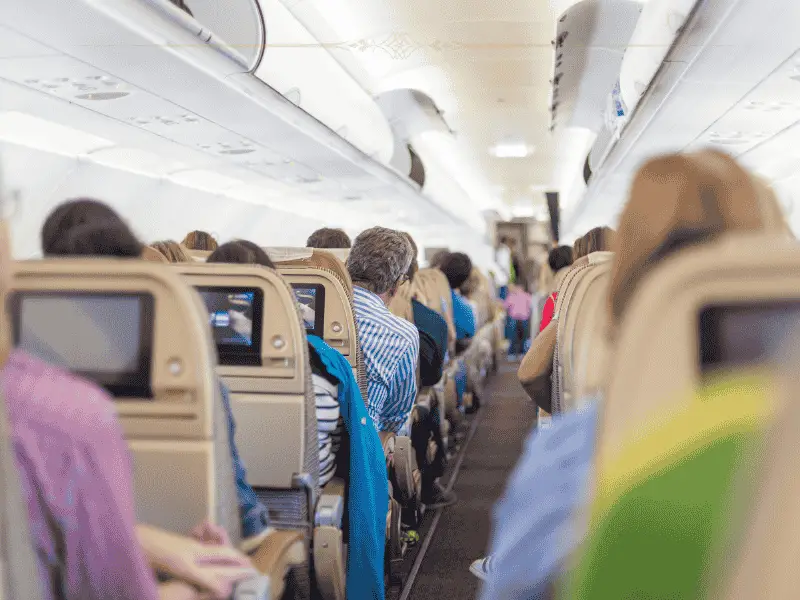
After years of observing passenger comfort and discomfort from the unique vantage point of the aircraft aisle, veteran flight attendants have identified specific seating areas that consistently cause problems for travelers. These insights come from professionals who spend thousands of hours in the air annually, witnessing firsthand which seats leave passengers cramped, uncomfortable, and regretting their booking decisions.
The Kitchen Nightmare: Seats Near the Galley
One of the most problematic areas on any commercial aircraft sits directly adjacent to the galley, where flight attendants prepare meals and beverages. These seats might initially seem appealing due to their proximity to service areas, but experienced cabin crew members strongly advise against them.
The galley area becomes a hub of constant activity throughout the flight. Flight attendants frequently move equipment, prepare refreshments, and engage in necessary conversations about service procedures. This continuous motion creates a steady stream of noise that can make it nearly impossible for passengers to rest, especially during overnight flights or long-haul journeys when sleep becomes crucial for arrival comfort.
American travelers who select these seats often complain about the persistent sounds of beverage carts being moved, ice being dispensed, and crew members coordinating their service responsibilities. The noise level intensifies during meal service periods, when multiple flight attendants work simultaneously to serve hundreds of passengers within tight timeframes.
Additionally, these seats experience frequent interruptions from passengers seeking additional beverages, snacks, or assistance from crew members. The constant foot traffic creates an environment where relaxation becomes challenging, and privacy virtually disappears.
Lavatory Location Limitations
Another significant seating pitfall involves seats positioned near aircraft lavatories. While these locations might seem convenient for travelers with frequent bathroom needs, flight attendants consistently observe passenger dissatisfaction with these choices.
The primary issue stems from the continuous flow of passengers moving to and from the restroom facilities. Throughout the flight, individuals constantly pass by these seats, creating disruptions for anyone trying to work, read, or sleep. The foot traffic intensifies during certain periods, particularly after meal service and before landing, when passengers prepare for arrival.
Lavatory-adjacent seats also suffer from persistent odors that can become particularly unpleasant during longer flights. Despite aircraft ventilation systems, these areas cannot completely eliminate the smells associated with heavily used restroom facilities, especially when serving hundreds of passengers over several hours.
The mechanical sounds associated with lavatory operations create another layer of disturbance. The flushing mechanisms, hand dryer systems, and locking mechanisms generate repetitive noises that penetrate nearby seating areas, making concentration and rest more difficult for adjacent passengers.
The Recline Restriction Reality
Perhaps the most universally disappointing seating situation involves rows where seat recline functionality has been eliminated or severely limited. Flight attendants observe countless passengers discovering too late that their seats cannot adjust backward, leaving them stuck in uncomfortable upright positions for the entire journey.
These seats typically appear in several locations throughout the aircraft. The most common restriction occurs in rows positioned directly in front of emergency exit areas, where recline capability has been removed to ensure clear evacress paths during potential emergency situations. Passengers booking these seats often assume they will have normal comfort amenities but discover their limitations only after boarding.
The restriction creates particular problems during longer domestic flights, where even a few degrees of backward adjustment can significantly impact passenger comfort. American travelers frequently report back pain, neck strain, and general discomfort when forced to maintain rigid upright postures for extended periods.
Flight attendants note that these seating restrictions affect different body types in various ways. Taller passengers experience more severe discomfort, while individuals with existing back problems find the limitations particularly challenging during flights lasting more than two hours.
The Exit Row Deception
Emergency exit rows present a complex seating situation that many passengers misunderstand when making their reservations. While some exit row seats provide additional legroom that appeals to American travelers, others create unexpected comfort problems that flight attendants observe regularly.
The confusion stems from the fact that not all exit row seats offer the same benefits. The first row of a two-row exit configuration often lacks the recline functionality that passengers expect, while still requiring occupants to meet specific physical requirements and responsibilities associated with emergency procedures.
These seats demand that passengers assist with emergency evacuation procedures if necessary, meaning individuals must be physically capable of operating heavy exit doors and directing other passengers to safety. This responsibility comes with restrictions that many travelers do not anticipate when booking their flights.
Furthermore, exit row seats often feature different armrest configurations that can impact comfort during the flight. Some have immovable armrests that prevent passengers from adjusting their seating position, while others lack under-seat storage space that forces travelers to place all personal items in overhead compartments.
The Back Row Blues
The final row of any aircraft configuration presents unique challenges that experienced flight attendants observe consistently across different airlines and aircraft types. These seats combine multiple negative factors that can create an extremely uncomfortable travel experience for American passengers.
Back row seats typically offer reduced recline capability due to structural limitations of the aircraft. The seats either cannot recline at all or provide only minimal backward adjustment, leaving passengers in uncomfortable positions throughout their journey. This limitation becomes particularly problematic during longer flights when comfort becomes essential for passenger well-being.
The proximity to both galley operations and lavatory facilities means back row passengers experience the worst of both disturbance sources. They endure constant noise from food service preparation while simultaneously dealing with the disruptions created by continuous restroom traffic throughout the flight.
These seats also experience the most significant impact from aircraft movement and turbulence. The rear section of planes typically exhibits more pronounced motion during flight, which can increase discomfort for passengers sensitive to movement or those prone to motion sickness.
Aircraft Dynamics
Flight attendants develop deep understanding of aircraft behavior and passenger comfort patterns through their extensive flight experience. They observe how different seating areas respond to various flight conditions and how these factors impact passenger satisfaction throughout the journey.
The aircraft design creates distinct comfort zones that many passengers never consider during the booking process. Areas near the wings typically experience less turbulence-related movement, while sections toward the front and rear of the plane encounter more pronounced motion during flight operations.
Cabin pressure variations can also affect passenger comfort differently depending on seating location. Flight attendants notice that some areas of the aircraft maintain more consistent environmental conditions, while others experience greater fluctuations that can impact passenger well-being during longer flights.
The Booking Strategy
Armed with professional insights from experienced flight attendants, American travelers can make more informed seating decisions that significantly improve their flight experience. Understanding these problematic areas allows passengers to avoid common comfort pitfalls that affect thousands of travelers daily.
The key involves researching specific aircraft configurations before completing flight reservations. Different airlines use various aircraft types with distinct seating arrangements, and understanding these differences can help travelers avoid problematic areas while identifying optimal seating locations.
Many airlines provide detailed seat maps during the booking process that indicate restricted recline areas, exit row locations, and proximity to galleys and lavatories. Taking advantage of these resources can help passengers make informed decisions rather than leaving their comfort to chance.
Flight attendants recommend that travelers prioritize their personal comfort needs when selecting seats. Passengers who require frequent bathroom access might tolerate lavatory proximity, while those seeking maximum rest should prioritize quiet areas away from operational spaces.
The investment in seat selection fees often proves worthwhile when it prevents hours of discomfort during travel. Many American travelers discover that spending additional money on preferred seating saves them significant frustration and physical discomfort throughout their journey.
Making Informed Travel Decisions
The insights shared by experienced flight attendants provide valuable guidance for American travelers seeking to optimize their flight experience. By understanding which seating areas consistently create problems for passengers, travelers can make more strategic booking decisions that enhance their overall journey comfort.
These professional observations come from individuals who witness passenger experiences across thousands of flights annually. Their perspective offers unique insights that typical travelers might not consider during the booking process but can significantly impact comfort during actual flight operations.
The airline industry continues evolving, with different carriers implementing various seating configurations and comfort amenities. However, the fundamental principles of aircraft design and operational requirements mean that certain seating challenges remain consistent across different airlines and aircraft types.
Understanding these patterns empowers American travelers to make informed decisions that can transform their flight experience from uncomfortable endurance tests into more pleasant journey components. The knowledge shared by flight attendants represents years of professional observation and passenger feedback that can benefit anyone planning air travel.