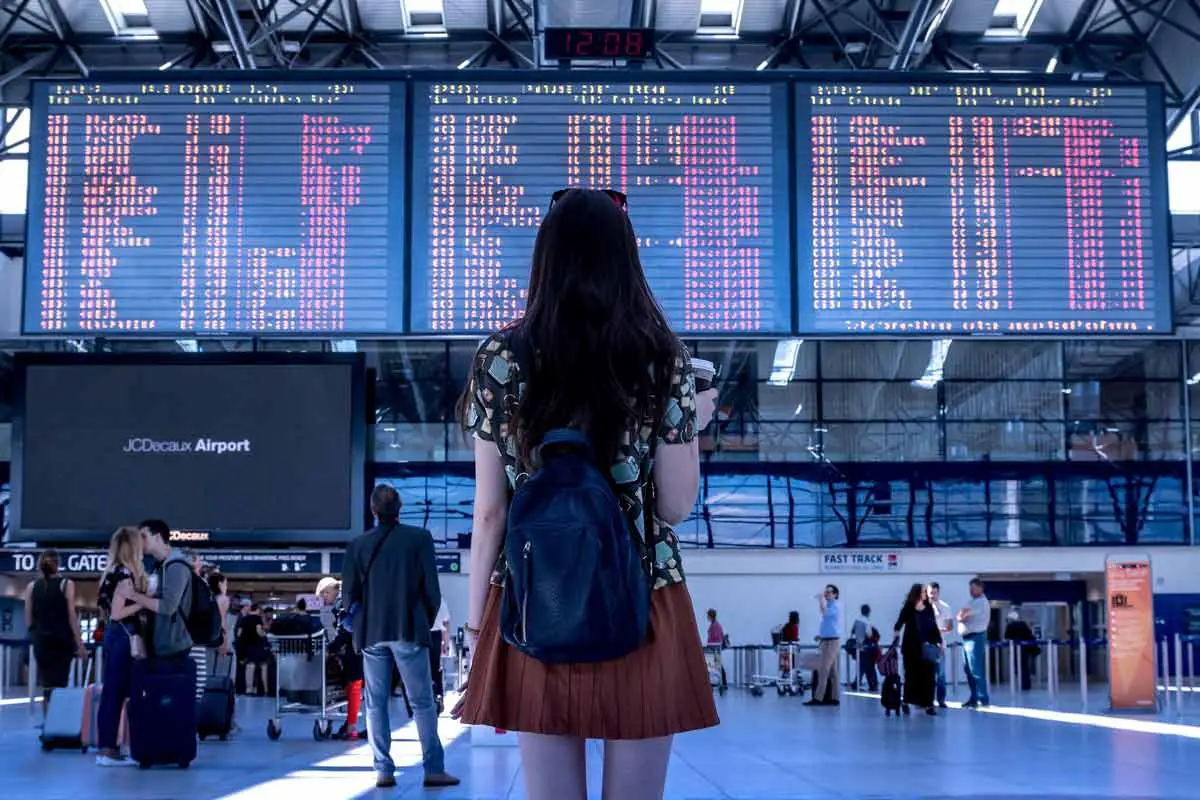
Hotels and resorts are rapidly introducing smart technology to meet travellers’ rising expectations for comfort and convenience. Modern “smart stay” features help reduce hassle after long journeys and make it easier for guests to enjoy greater personalisation. Advances in innovation now influence every stage of the stay, from check-in and relaxation to in-room entertainment.
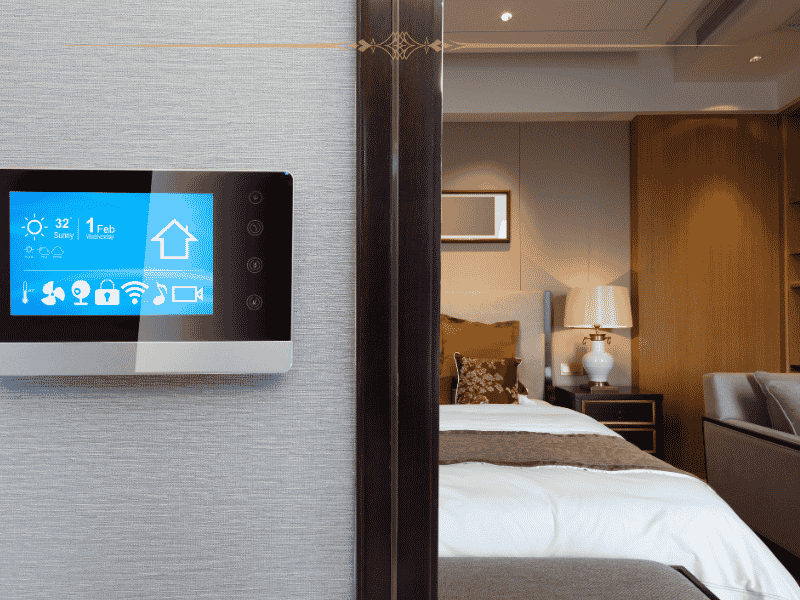
If you book a trip today, your expectations are likely shaped by recent digital advances that streamline and personalise hotel stays. Features such as fast mobile check-in, reliable Wi-Fi, and app-based controls have transformed what travellers experience from booking to checkout. The inclusion of live casino highlights how broadened digital options now influence guest expectations for a comprehensive stay, from remote access to immediate guest services. Understanding which technologies genuinely enhance comfort or convenience is increasingly important, especially as more properties compete to offer memorable, smooth experiences to travellers.
Booking tools and personalised pre-arrival options
When planning your hotel stay, updated websites and mobile apps let you compare amenities, review travel policies, and receive real-time booking confirmations. These pre-arrival tools can reduce uncertainty and provide reassurance, especially after long journeys when minimising stress is beneficial.
Direct messaging with guest services before arrival has become standard, allowing guests to set preferences for room type, arrival times, or even pillow choice. Properties often enable you to register dietary needs or accessibility requirements in advance, making the process smoother once you arrive and ensuring better service that is more closely matched to your needs.
Streamlined arrival, check-in, and room access
Contactless check-in and digital keys are now typical in many hotels, minimising queues and letting guests access rooms directly using a smartphone. This approach can save time and also supports improved hygiene by reducing shared touchpoints, which many guests value.
If a mobile check-in system becomes unavailable, staff generally have backup procedures such as manual registration or temporary key cards. It can help to keep confirmation emails accessible for quick verification, especially during busy periods. At the same time, live casino demonstrates how instant digital access is becoming an expected norm in both leisure and hospitality settings.
Digital keys and smart locks mean you can bypass the front desk completely and go straight to your room. Some systems allow guests to share access details with fellow travellers, making group stays easier to manage.
In-room automation, comfort, and privacy features
Many hotel rooms now offer in-room tablets or app-based controls for lighting, curtains, and climate, allowing guests to adjust their environment with ease and enhancing comfort after a long trip.
Energy-efficient technologies frequently automate room temperature and lighting when not occupied, which can be beneficial to both guests and the environment. Accessible controls are particularly valuable for travellers with disabilities, providing more independence and flexibility throughout a stay.
While all-in-one apps add convenience, they may also prompt privacy concerns over how personal preferences are recorded and used. Checking privacy policies and limiting location sharing unless essential can reduce unnecessary exposure, especially when connecting personal devices to in-room systems.
Connectivity, smart guest services, and responsible choices
Reliable Wi-Fi is now expected in most hotels, and secure network access is important for both work and entertainment. Many travellers opt for trusted VPNs to help reduce the risk of exposing personal information when using public or semi-private hotel networks.
App-based guest services allow you to request amenities, schedule housekeeping, and communicate maintenance needs directly from your device, improving efficiency and helping bridge language gaps. Machine translation tools in some apps can further support communication with staff and reduce misunderstandings.
Guest-facing technology also extends to wellness facilities such as gyms and spas. Digital booking systems can assist in managing demand and minimising crowding.
In some properties, apps allow guests to reserve poolside loungers or schedule treatments from their rooms. Digital menus can help guests check pricing details before placing an order.
Various hotels employ technology to help with sustainability, for example, smart thermostats to limit energy use when rooms are unoccupied and digital receipts to reduce paper consumption. However, travellers should be mindful of sustainability claims and base their choices on reliable information.
While modern technology adds convenience, it can also present issues such as app fatigue, data privacy questions, or extra connectivity charges. Asking about digital security procedures and Wi-Fi costs at check-in can help to avoid unexpected issues.
Selecting hotels or resorts that use the right technology for travellers can improve your trip by streamlining experiences from arrival to relaxation. Overall, effective hotel technology adds value when it anticipates needs and simplifies every step of your journey, rather than introducing additional complexity.