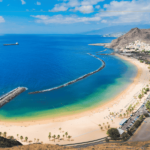
The Mediterranean coastline of Spain has transformed into an unexpected theater of conflict this summer, as record-breaking tourist arrivals have sparked unprecedented tensions between international visitors and local residents competing for the same stretches of sand and sea. What was once a harmonious coexistence between tourism and local beach culture has devolved into a heated battle for coastal real estate, with profound implications for Spain’s tourism-dependent economy.
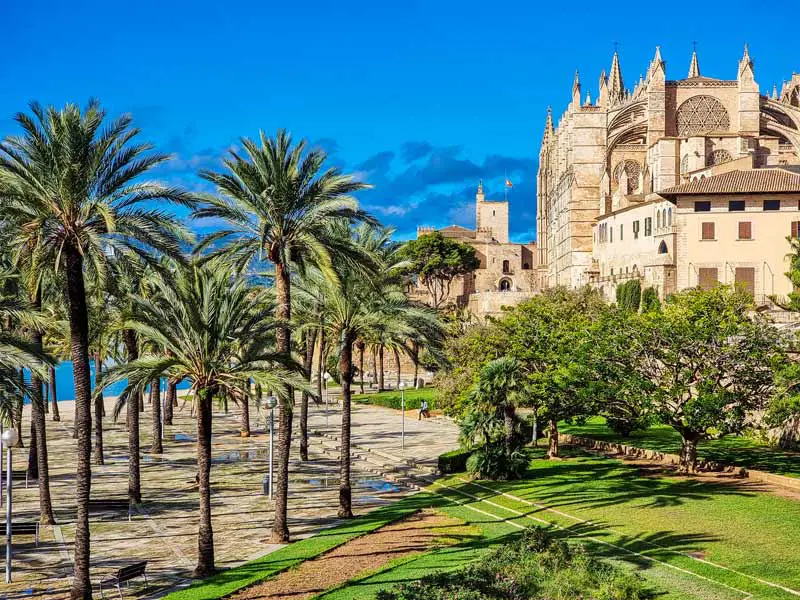
Spain welcomed a staggering 94 million international visitors in 2024, shattering all previous records and creating a perfect storm of overcrowding that has pushed local communities to their breaking point. The summer season has witnessed an escalation in conflicts that began with peaceful protests but have now evolved into more direct confrontations between frustrated locals and bewildered tourists.
The Numbers Behind the Crisis
The statistical reality of Spain’s tourism boom reveals the magnitude of the challenge facing coastal communities. While domestic tourism has declined by approximately 800,000 people, international arrivals have surged by nearly 2 million visitors, creating an imbalance that has fundamentally altered the demographic composition of Spanish beaches during peak season.
Consultancy firm Braintrust estimates that the number of arrivals will rocket to 115 million by 2040, suggesting that current tensions may represent only the beginning of a much larger crisis. The projection indicates that without significant intervention, the pressure on Spanish coastal infrastructure and local communities will continue to intensify over the coming decades.
The economic impact of this tourism surge extends far beyond simple visitor numbers. Revenue from international tourism is expected to surpass 200 billion euros, making Spain increasingly dependent on foreign visitors while simultaneously displacing the very communities that have historically sustained these coastal destinations.
Local residents report that the character of their neighborhoods has changed dramatically, with familiar faces replaced by a constant stream of temporary visitors. The social fabric of coastal communities has been stretched thin as permanent residents find themselves outnumbered by tourists during peak season, creating a sense of displacement in their own hometowns.
Rental Market Explosion Fuels Displacement
The accommodation crisis has emerged as one of the most contentious aspects of the overtourism phenomenon. Beachfront rental prices have skyrocketed by 20.3% since mid-2023, with most summer properties booked by the first quarter of the year, leaving local residents with increasingly limited options for traditional holiday accommodations.
The conversion of residential properties into short-term tourist rentals has created a housing shortage that extends beyond vacation accommodations to permanent residences. Entire neighborhoods have been transformed into de facto hotel districts, with apartment buildings filled exclusively with rotating groups of tourists rather than stable residential communities.
Local families who have traditionally spent summer holidays along the Spanish coast now find themselves priced out of destinations that have been part of their family traditions for generations. The economic disparity between international tourists and local residents has created a two-tiered system where access to coastal areas increasingly depends on financial resources rather than geographic proximity or cultural connection.
Property owners have discovered that short-term tourist rentals generate significantly more revenue than traditional long-term residential leases, creating powerful economic incentives to convert residential stock to tourist accommodations. This market dynamic has accelerated the displacement of local residents while simultaneously increasing the density of tourists in residential neighborhoods.
Water Gun Incidents and Escalating Tensions
The protests that began in April 2024 in locations including the Balearics, Canaries, Barcelona, and Málaga have included incidents where protesters used water guns to spray tourists, marking a significant escalation in the conflict between locals and visitors. These confrontations represent a dramatic departure from Spain’s traditionally welcoming approach to international tourism.
The water gun incidents, while largely symbolic and non-violent, have generated international media attention and highlighted the depth of frustration among local communities. The actions reflect a growing sense that peaceful protests and official complaints have failed to address the underlying issues driving the overtourism crisis.
Local residents involved in these protests emphasize that their actions are not driven by hostility toward individual tourists but rather by desperation over the systemic changes affecting their communities. The demonstrations represent a form of civil disobedience aimed at drawing attention to what locals describe as the colonization of their neighborhoods by tourism infrastructure.
Tourism industry representatives have expressed concern that these incidents could damage Spain’s reputation as a welcoming destination, potentially affecting future booking patterns and international perceptions of Spanish hospitality. The confrontations have created a public relations challenge for a country that has built its economy around tourism excellence.
Urban Tourism Displacement Patterns
The overtourism crisis extends beyond beach destinations to major urban centers, where similar displacement patterns have emerged. Local residents made approximately 400,000 fewer trips to major Spanish cities last year, while foreign tourist visits to urban destinations increased by nearly 3 million, creating a stark reversal in traditional tourism patterns.
Barcelona has emerged as a focal point for anti-tourism sentiment, with city officials planning to ban short-term tourist apartment rentals by 2028 in response to local pressure. The city’s short-term rental market has remained stagnant at around 10,000 units since 2014, but the concentration of these properties in specific neighborhoods has created intense localized impacts.
The urban displacement phenomenon has created situations where residents avoid their own city centers during peak tourist seasons, fundamentally altering the social dynamics of historic neighborhoods. Local businesses that traditionally served residential communities have increasingly oriented themselves toward tourist clientele, changing the character of neighborhood commercial districts.
City centers that once balanced tourist attractions with residential life have become overwhelmingly focused on visitor services, creating what locals describe as theme park environments that prioritize tourist experiences over community needs. This transformation has affected everything from restaurant menus to shop inventories, with local preferences increasingly marginalized in favor of tourist demands.
Regional Tourism Impact
The Balearic Islands, particularly Mallorca, have experienced some of the most intense conflicts between tourists and locals. Massive protests in Palma de Mallorca have highlighted the impact of over-tourism, with demonstrations drawing thousands of participants who argue that their island home has become unrecognizable during peak season.
The Canary Islands face unique challenges due to their geographic isolation and limited land area, making the impact of tourist density particularly acute. Local people have nowhere to live anymore because homes are being rented out to tourists, creating housing crises that affect essential workers and long-term residents.
Coastal regions of Andalusia have reported similar patterns, with traditional fishing villages transformed into tourist destinations that no longer serve their original communities. The rapid pace of change has left many residents feeling that their cultural identity has been commodified for tourist consumption.
The Mediterranean coast from Valencia to Barcelona has experienced varying degrees of tension, with some areas successfully managing tourism growth while others have reached crisis points. The disparities between regions reflect different approaches to tourism planning and regulation, with some communities better prepared to handle visitor surges than others.
The Economic Pressures on Local Communities
The purchasing power disparity between international tourists and local residents has created market conditions that systematically disadvantage Spanish families seeking coastal accommodations. Foreign visitors, often from countries with stronger currencies or higher average incomes, can afford rental rates that have become prohibitive for domestic tourists.
Local businesses face complex challenges as they navigate between serving their traditional residential customer base and capitalizing on tourist spending. Many establishments have raised prices to levels that exclude local residents while catering to tourists who expect premium services and are willing to pay accordingly.
The seasonal nature of tourism creates additional economic pressures, with many coastal communities experiencing extreme fluctuations between overcrowded peak seasons and economically challenging off-seasons. This volatility makes it difficult for local businesses to maintain stable employment and service levels throughout the year.
Traditional industries such as fishing and agriculture have been marginalized in favor of tourism-related services, creating economic dependencies that make communities vulnerable to changes in international travel patterns. The loss of economic diversity has reduced local resilience and increased reliance on tourism revenue.
Infrastructure Strain and Service Delivery
The surge in tourist numbers has overwhelmed infrastructure systems that were designed for much smaller populations. Water supply, waste management, and transportation networks struggle to accommodate peak season demands, creating service disruptions that affect both tourists and residents.
Emergency services report increased call volumes during peak tourist seasons, with multilingual communication challenges complicating response efforts. The strain on healthcare systems has become particularly acute in areas with limited medical facilities that must serve both residents and tourists.
Transportation networks face daily gridlock during peak season, with local residents unable to navigate their own communities efficiently. Public transportation systems designed for residential populations cannot accommodate the additional demand created by tourist arrivals.
Beach maintenance and environmental protection efforts have been overwhelmed by the sheer volume of visitors, leading to degradation of natural resources that are essential to both tourism appeal and local quality of life. The environmental impact of overtourism threatens the very attractions that draw visitors to Spanish coastal destinations.
The rapid transformation of coastal communities has created concerns about cultural preservation and community identity. Traditional festivals, local customs, and social gatherings have been affected by the overwhelming presence of tourists who may not understand or respect local traditions.
Language dynamics have shifted in many tourist-heavy areas, with Spanish and regional languages increasingly supplemented or replaced by English in commercial establishments. This linguistic change reflects broader cultural adaptations that prioritize tourist communication over local language preservation.
Social gathering spaces that traditionally served local communities have been repurposed for tourist entertainment, reducing opportunities for residents to maintain community connections. Public spaces that once facilitated neighborhood interactions have become primarily tourist-oriented environments.
The generational impact of these changes has created particular concern among older residents who remember pre-tourism community life. Young people face choices between participating in the tourism economy or seeking opportunities in other regions where housing costs and social conditions may be more favorable.
Tourism Industry Response
Tourism industry stakeholders have begun acknowledging the sustainability challenges created by current growth patterns. Hotel associations and tour operators are exploring strategies to distribute tourist flows more evenly across regions and seasons to reduce pressure on popular destinations.
Some tourism businesses have implemented initiatives to support local communities, including hiring preferences for residents and sourcing arrangements with local suppliers. These efforts represent attempts to ensure that tourism benefits reach community members rather than flowing exclusively to external investors.
Travel companies are developing alternative destination marketing strategies that promote lesser-known areas of Spain in an effort to redirect tourist flows away from overwhelmed coastal regions. Spain still has plenty of areas that would love more tourists, suggesting opportunities for more sustainable tourism distribution.
The industry faces the challenge of maintaining Spain’s appeal as a destination while addressing the concerns that have fueled local protests. This balancing act requires coordination between tourism promotion efforts and community development initiatives to ensure that growth benefits all stakeholders.
Government and Policy Responses
Spanish authorities at various levels have begun implementing measures to address overtourism concerns. Municipal governments have introduced restrictions on short-term rentals, tourist taxes, and visitor quotas in some areas to manage tourism density.
Regional governments are developing comprehensive tourism strategies that prioritize sustainability and community impact alongside economic benefits. These policies represent attempts to balance Spain’s economic dependence on tourism with the need to maintain livable communities for residents.
National tourism policy increasingly emphasizes quality over quantity, with efforts to attract higher-spending visitors who generate more revenue per capita while creating less strain on infrastructure and communities. This approach aims to maintain economic benefits while reducing the volume-related pressures that have fueled local protests.
International coordination within the European Union has become important as overtourism affects multiple Mediterranean destinations. Spanish policymakers are working with counterparts in Italy, Greece, and France to develop regional approaches to sustainable tourism management.
The summer beach battle between locals and tourists in Spain represents a critical juncture for one of Europe’s most important tourism destinations. The conflict reflects deeper questions about sustainable development, community rights, and the social costs of economic growth that extend far beyond Spain’s borders. As tourist numbers continue to break records and local resistance intensifies, the resolution of this crisis will likely influence tourism management strategies throughout the Mediterranean and beyond. The outcome will determine whether Spain can maintain its position as a leading global destination while preserving the communities and cultures that make it attractive to visitors in the first place.