A prominent international airline has introduced sweeping new uniform and appearance regulations that prohibit flight attendants and pilots from consuming beverages in public spaces while in uniform. The policy, which affects thousands of crew members, has sparked debate about workplace restrictions and professional image standards in the aviation industry.
The New Beverage Restrictions
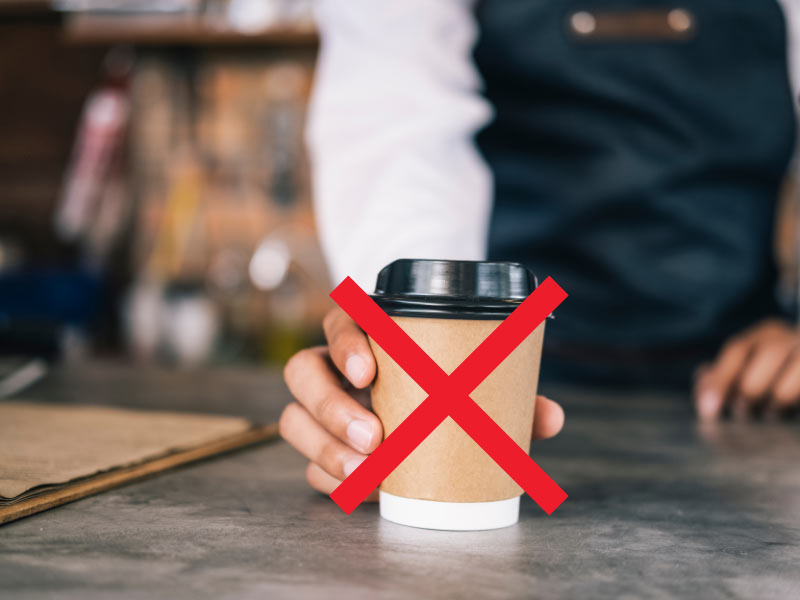
The British Airlines updated guidelines specifically target public consumption of drinks, with coffee being the primary focus of concern. Crew members are now forbidden from carrying or drinking coffee, tea, soft drinks, or any other beverages while walking through airports, sitting in gate areas, or appearing in any public space where passengers or members of the public might see them.
Water remains the sole exception to this blanket prohibition, though even water consumption must be conducted discreetly according to the new standards. This means crew members can no longer grab their usual pre-flight coffee from airport vendors or enjoy a quick energy drink between connections while in their work attire.
The policy represents a significant shift from previous practices where airline employees routinely purchased and consumed beverages throughout airports worldwide. Many crew members have expressed frustration about losing what they consider a basic workplace freedom, particularly given the demanding nature of their schedules and the need for caffeine to maintain alertness during long shifts.
Impact on Daily Operations
Flight crews typically arrive at airports several hours before departure for briefings, security checks, and preparation activities. During these extended periods, purchasing coffee or other beverages has been a normal part of their routine. The new restrictions force crew members to either consume their preferred drinks before arriving at work or wait until they reach private crew areas within the aircraft or airline facilities.
Many pilots and flight attendants have noted the practical challenges this creates, especially during early morning flights when coffee consumption is particularly important for maintaining focus and energy levels. International routes, which can involve crews working for 12 hours or more, present additional complications under the new policy.
The restrictions also affect crew members during layovers in foreign cities. Previously, exploring local coffee shops or grabbing beverages while sightseeing in uniform was common practice. Now, crew members must either change out of their uniforms or avoid public beverage consumption entirely during their downtime.
Broader Uniform and Appearance Changes
The beverage ban forms part of a comprehensive overhaul of employee appearance standards that extends far beyond drinking policies. The new guidelines include specific requirements for makeup application, with detailed specifications about acceptable lipstick colors and cosmetic styles that crew members may wear while on duty.
Hair styling has also come under increased scrutiny, with new regulations dictating how flight attendants and pilots must arrange and maintain their hair during work hours. These standards apply to both male and female employees and include restrictions on certain hairstyles that were previously acceptable.
The uniform guidelines now specify exact protocols for how crew members should present themselves in public spaces, including requirements for maintaining specific postures and walking styles while in airport terminals. Phone usage has been restricted, with crew members no longer permitted to make personal calls or send text messages while visible to passengers in public areas.
Commuting Restrictions Added
Beyond the beverage and appearance changes, British Airlines has implemented new rules affecting how employees travel to and from work. Crew members who commute by air to reach their home base must now wear civilian clothing during their personal travel and change into uniforms only after arriving at their departure airport.
This change particularly affects crew members who live in cities with lower costs of living but work out of major hub airports where housing expenses are significantly higher. Many of these employees have established routines around commuting in uniform, which previously allowed them to move efficiently through airports and access crew facilities without carrying additional clothing.
The new commuting restrictions require crew members to pack their uniforms separately and find appropriate changing facilities before beginning their work shifts. This adds complexity to travel logistics and extends the time required for work preparation, though the airline maintains that the policy enhances professional standards.
Interestingly, crew members from other airlines are still permitted to travel in uniform aboard flights operated by the airline implementing these new restrictions. This creates a situation where employees from competing carriers may appear in professional attire while the host airline’s own crew members must dress in casual clothing during personal travel.
Context and Comparison
The aviation industry has long maintained varying standards for employee appearance and public behavior, with significant differences between regional carriers, major domestic airlines, and international premium carriers. Some airlines have traditionally enforced strict appearance codes, while others have adopted more relaxed approaches that prioritize employee comfort and practical considerations.
In the United States, airline employees commonly move through airports while eating, drinking, and using personal devices without significant restrictions. Flight attendants and pilots frequently carry coffee cups, energy drinks, or food items while walking to gates or during breaks between flights. This casual approach reflects the domestic aviation industry’s focus on efficiency and employee autonomy.
However, several international carriers have maintained more formal standards that emphasize professional presentation and controlled public behavior. These airlines often require crew members to move through terminals in organized groups, limit personal device usage, and maintain specific appearance standards at all times while in uniform.
The new restrictions represent a shift toward these more formal international standards, though some industry observers note that they may exceed the requirements imposed by other premium carriers. The comprehensive nature of the policy changes suggests an attempt to rebrand the airline’s image through employee behavior modification.
Employee Response
Crew members have expressed mixed reactions to the new policies, with many questioning the practical necessity of such comprehensive restrictions. Some employees appreciate the emphasis on professional standards and believe the changes will enhance the airline’s reputation among passengers who value formal service approaches.
However, others have criticized the policies as unnecessarily restrictive and argue that they create additional stress and complexity in already demanding work environments. The beverage restrictions, in particular, have drawn criticism from crew members who rely on caffeine to maintain alertness during long shifts and irregular schedules.
Union representatives have indicated they are reviewing the new policies and considering whether to challenge certain aspects through collective bargaining processes. Some crew members have suggested that the restrictions may affect job satisfaction and could influence employee retention rates if strictly enforced.
The airline has provided training sessions to help employees understand and comply with the new requirements. These sessions cover proper uniform maintenance, acceptable public behavior, and strategies for managing the beverage restrictions during work shifts.
Implementation
Enforcing the new policies presents significant logistical challenges for airline management. Monitoring crew member behavior in airports around the world requires coordination with ground staff and potentially creates additional administrative burdens for supervisors.
The beverage restrictions may be particularly difficult to enforce consistently, especially in large airports where crew members work across multiple terminals and facilities. Determining what constitutes discreet water consumption versus inappropriate beverage behavior requires subjective judgment that could lead to inconsistent policy application.
International destinations present additional complexity, as crew members may be unfamiliar with local customs and available facilities for private beverage consumption. The policy may also conflict with cultural norms in certain countries where public drinking is expected and considered normal professional behavior.
Training crew members to adapt to the new standards while maintaining service quality and safety performance creates another implementation challenge. The airline must balance policy enforcement with operational efficiency and employee morale considerations.
The policy changes may create unexpected financial impacts for both the airline and its employees. Crew members who previously purchased beverages in airports may now need to seek alternatives that could be more expensive or less convenient, such as consuming drinks in hotel rooms before work or purchasing beverages for private consumption in crew areas.
For the airline, monitoring and enforcing the new policies will require additional management resources and potentially create new administrative costs. Training programs, policy documentation, and compliance monitoring systems all represent investments in the new standards.
The restrictions could also affect operational efficiency if crew members need additional time to locate appropriate facilities for beverage consumption or if the policies create delays in crew preparation processes. These impacts may be particularly significant during irregular operations or when dealing with schedule disruptions.
Some industry analysts suggest that overly restrictive policies could affect the airline’s ability to recruit and retain qualified crew members, particularly in competitive job markets where employees have multiple career options. The long-term effects on staffing and service quality remain to be seen.
Passenger Perspective and Service Impact
From a passenger standpoint, the new policies may create a more formal and controlled environment that some travelers will appreciate, particularly those who value traditional service standards and professional presentation. The restrictions could enhance the perceived quality of service by emphasizing crew professionalism and attention to appearance details.
However, other passengers may not notice or care about these changes, particularly if they prioritize factors like on-time performance, seat comfort, and pricing over crew appearance standards. The practical impact on actual service delivery may be minimal if crew members can still perform their primary safety and customer service functions effectively.
The policy changes reflect broader industry trends toward premium positioning and service differentiation, though the effectiveness of appearance-based strategies in improving customer satisfaction remains debated among aviation industry experts.
The restrictions represent a significant cultural shift for the airline and its employees, moving toward more formal operational standards that emphasize controlled public presentation over individual employee autonomy. Whether these changes will achieve their intended goals of enhancing professional image and customer perception will likely become clear over time as the policies are fully implemented and their effects on operations and employee satisfaction become apparent.
The beverage ban, while seemingly minor, symbolizes a broader transformation in how the airline views employee behavior and professional standards, marking a notable departure from previous practices and potentially setting new precedents for industry appearance requirements.