
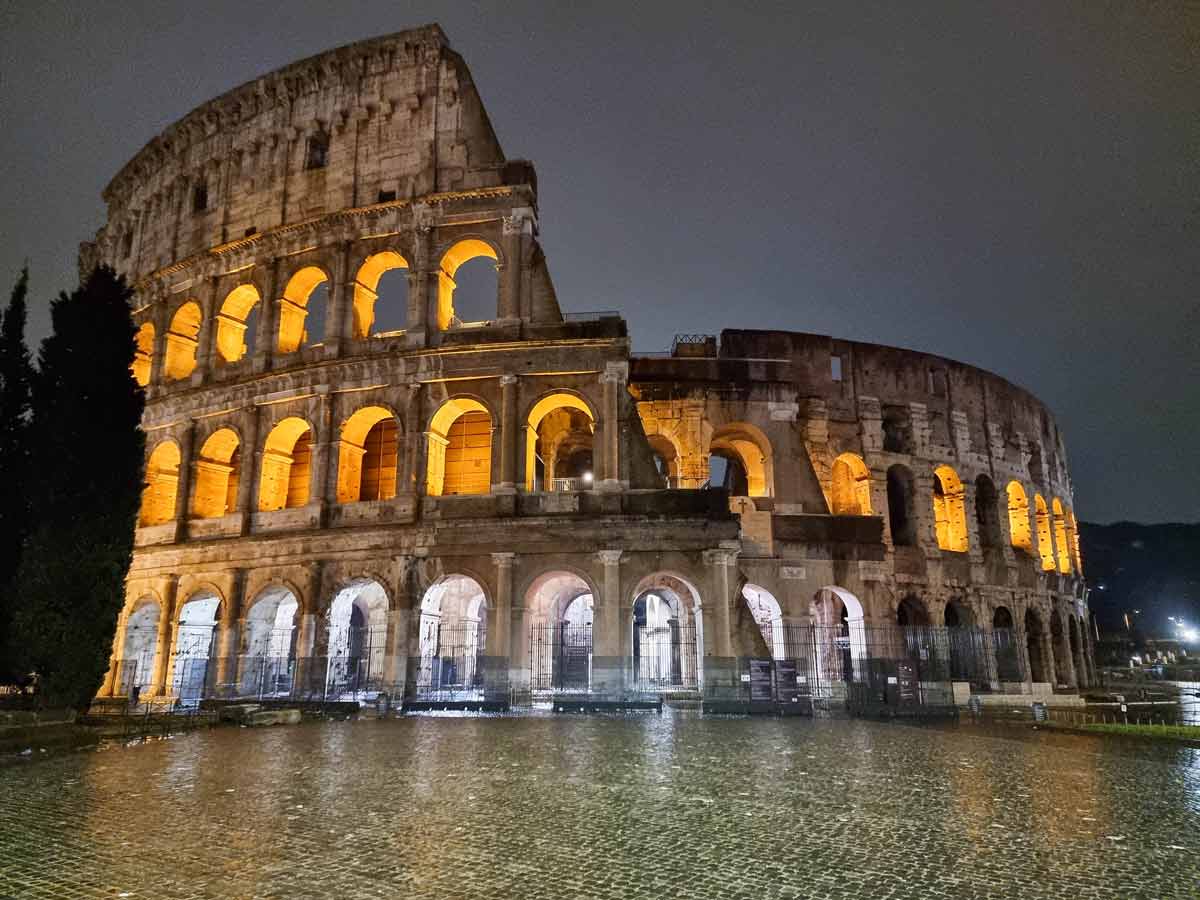
The Colosseum, the ancient amphitheater that has stood in Rome for nearly two thousand years and that draws millions of tourists annually, has become the focal point of a security crisis that has forced city authorities to implement extraordinary protective measures. Rome’s officials have designated the area surrounding the Colosseum as a security red zone, a designation that brings enhanced police presence, military deployment, and expanded enforcement powers designed to combat a surge in violent crime, theft, and drug-related activity.The decision to establish a red zone around the Colosseum reflects the severity of the security situation and represents an acknowledgment by Rome’s authorities that existing security measures have proven inadequate to address what officials describe as a serious public emergency. The red zone, which went into effect in late August and will remain in place until December 24, represents one of the most visible interventions in Rome’s ongoing struggle with street crime in its most prestigious tourist areas.For travelers planning trips to Rome, the red zone designation raises questions about safety, about how the increased security will affect the tourist experience, and about whether the city’s most iconic attraction remains a welcoming destination or whether visiting requires navigating genuine security concerns. The security measures also raise broader questions about Rome’s ability to manage the challenges created by massive tourist numbers, urban decay in certain areas, and the criminal activity that has flourished in pockets of the historic center.
The Crime Wave That Prompted Action
The decision to establish the red zone came after a series of violent incidents that demonstrated the severity of the security problem around the Colosseum. The most dramatic incident occurred in July when approximately fifty young people attacked police officers in a violent confrontation that involved the firing of fireworks as weapons. The incident left multiple police officers injured and generated significant media coverage highlighting the security breakdown at one of Europe’s most visited tourist attractions.
The July incident was not isolated or unprecedented. Authorities described the attack as part of a pattern of escalating crime around the historic site that had been intensifying over months. The pattern included violent assaults on visitors and residents, theft targeting tourists, and drug-related activity in the surrounding areas. The incidents were serious enough and frequent enough that Rome’s security officials determined that standard policing was insufficient and that emergency measures were required.
The nature of the crimes reflects a combination of organized theft targeting tourists combined with random violence and gang activity. Pickpocketing is endemic in the area, with tourists routinely targeted by skilled thieves who operate in coordinated groups. Violent robbery, where tourists are physically attacked and their belongings stolen, has also been reported with increasing frequency. The violence associated with youth gangs and drug dealers operating in the area has created a general atmosphere of threat that extends beyond simple theft.
Visitors have reported being warned by their hotels to avoid the Colosseum area after dark and have described witnessing crimes including pickpocketing while standing near the monument surrounded by security personnel. An American tourist visiting from Philadelphia reported witnessing a woman being pickpocketed and noted that by the time police were alerted, the thief had disappeared. The tourist’s hotel had explicitly advised against nighttime visits to the Colosseum area, forcing visitors to avoid the site during evening hours despite the monument being lit and theoretically accessible for nighttime visits.
Infrastructure Changes With Unintended Consequences
The crime surge around the Colosseum has coincided with major infrastructure improvements to Rome’s transportation system, and authorities have identified these improvements as paradoxically contributing to the security problems. An eight point three billion dollar project to enhance Rome’s underground subway system included construction of a new metro station serving the Colosseum directly. The station, which opened in December 2025, was designed to improve access to the archaeological site and to reduce surface-level congestion around the monument.
The new Colosseum metro station includes a sophisticated multi-floor underground museum that showcases artifacts recovered during years of construction work on the metro line. The museum itself is an attraction designed to enhance the visitor experience and to provide context about the area’s archaeological significance. From a transportation and cultural perspective, the new station and museum represent successful infrastructure investment that improves access to one of Rome’s major attractions.
However, security officials have identified the new metro station as a factor contributing to the rise in crime around the Colosseum. The station has allegedly become a conduit through which marginalized youth and criminal elements move into Rome’s historic center. The underground nature of the station, combined with its multiple floors and museum areas, creates spaces that are difficult to monitor and that can facilitate the movement of individuals intending to engage in criminal activity. The location of the station directly at the Colosseum means that individuals using the station to enter the area can immediately access one of Rome’s highest-traffic tourist zones.
The irony is stark: an infrastructure project designed to improve access, enhance the visitor experience, and celebrate Rome’s archaeological heritage has inadvertently created conditions that facilitate crime. The authorities acknowledge that millions of dollars spent on infrastructure improvements may actually be fueling crime by creating new pathways for criminal elements to access high-value targets and by creating underground spaces that are inherently difficult to secure comprehensively.
What the Red Zone Designation Actually Means
The red zone declaration gives security forces enhanced authority and resources to address the security crisis. Local police presence has been expanded significantly, with twenty-four-hour patrols established around the Colosseum and in surrounding areas. Military presence has been deployed in addition to police, with armed officers in military uniforms positioned at checkpoints and patrol points throughout the zone.
Italy’s military has traditionally protected high-traffic tourist attractions and sensitive infrastructure with barriers and checkpoints. The Colosseum already had military presence, with armed soldiers stationed at various points around the monument. However, the red zone designation has expanded this presence, making the military more visible and giving security forces greater authority to conduct stops, searches, and to order individuals to leave the area.
The ordinance establishing the red zone gives security officers expanded powers beyond standard policing. Officers can arrest suspected troublemakers or can order individuals to leave the area based on behavior or appearance deemed suspicious or threatening. The ordinance specifically cites a serious public emergency presenting a risk of serious damage to sensitive historical and tourist areas. The legal framework allows security forces to act more aggressively against individuals suspected of criminal intent without requiring the same evidentiary standards that would normally apply to arrest.
For tourists, the red zone means heightened security presence, visible military deployment, and checkpoints at entry and exit points. Some visitors find the military presence reassuring, an indication that authorities are taking security seriously. Other visitors find the security apparatus intrusive and find that the military presence undermines the experience of visiting a historic monument, transforming the area into something that resembles a secured facility rather than a freely accessible cultural heritage site.
The Broader Security Crisis in Rome
The Colosseum red zone is not the only area of Rome where security has become a concern. Enhanced security measures have also been implemented around the city’s main Termini train station, which is notorious for pickpocketing and theft targeting tourists and travelers. Security has been increased at St. Peter’s Basilica, the spiritual center of the Roman Catholic Church and one of the world’s most visited religious sites. Additional security has been deployed at the Basilica of Santa Maria Maggiore, which has seen an increase in visitor numbers since Pope Francis was laid to rest in a tomb there in April 2025.
The pattern of security interventions across multiple major tourist sites suggests that the crime problem in Rome extends well beyond the Colosseum and reflects systemic issues with street crime targeting tourists throughout the city. The combination of high visitor numbers, areas of urban decay, marginalized populations, and organized criminal activity creates conditions where theft and violent crime have become endemic in certain areas.
Rome authorities have essentially acknowledged that the security situation in multiple areas of the city has deteriorated to the point where emergency interventions are required. The deployment of military alongside police, the establishment of red zones with expanded enforcement powers, and the implementation of twenty-four-hour security operations represent extraordinary measures that reflect genuine concern about the security situation.
The Experience for Visitors
For tourists, the red zone and enhanced security affect the experience of visiting the Colosseum in both visible and subtle ways. The visible military presence, armed guards in uniform, and security checkpoints create an atmosphere that is different from what most international visitors expect when visiting a historical monument. Some visitors report feeling more secure as a result of the military presence. Other visitors describe the security apparatus as making the area feel like a high-risk zone requiring military protection rather than a freely accessible cultural site.
The advice from hotels to avoid certain areas at certain times reflects the security concerns that have become common knowledge among Rome’s hospitality industry. Hotels are warning guests, particularly guests traveling alone or guests unfamiliar with Rome, to avoid the Colosseum area after dark. This guidance effectively restricts when and how tourists can visit one of Rome’s most iconic attractions.
The practical reality for many tourists is that they visit the Colosseum during daytime hours, when security presence is heaviest and when the area is most crowded with other tourists. Evening visits, which many travelers might prefer for the atmospheric experience of seeing the monument lit at night, are discouraged or are experienced with heightened anxiety about personal security.
The Balance Between Security and Experience
Rome faces a genuine tension between providing adequate security for visitors and residents while maintaining the character and accessibility that makes Rome a globally significant cultural destination. The red zone represents one approach to this tension: deploying visible security forces with expanded authority to deter and to address criminal activity. However, the approach comes with trade-offs in terms of how visitors experience the monument and the city.
An alternative approach would be to address root causes of crime, including poverty, lack of economic opportunity, and drug addiction that drive much of the street crime affecting tourists. Such approaches require long-term investment in social programs, job training, addiction treatment, and urban renewal. These approaches address the underlying causes of crime but are slower to produce visible results and require sustained commitment of resources over years or decades.
The red zone represents a short-term security response that may reduce certain categories of crime through increased police and military presence and through expanded enforcement authority. The effectiveness of this approach, particularly in addressing organized theft and petty crime, remains to be demonstrated. Authorities have indicated that a report in September is expected to detail what impact the red zone has had on crime rates and criminal activity.
What Travelers Should Know
For Americans and other international travelers planning trips to Rome, the establishment of the security red zone represents acknowledgment that certain areas of Rome have security challenges that warrant extra caution. The Colosseum remains a must-see destination for most Rome visitors, and the security measures are intended to make the site safer, not to discourage visits.
Practical advice for visitors includes visiting during daylight hours when security presence is heaviest and when the area is most crowded with tourists. Tourists should avoid traveling alone in the area and should be particularly vigilant about personal belongings, as pickpocketing remains a significant problem despite heightened security. Following hotel advice about which areas and times to avoid is prudent for visitors unfamiliar with Rome’s geography and current security situation.
The security situation in Rome reflects broader urban challenges that affect many major cities globally. Rome is not uniquely dangerous compared to other European capitals, but the concentration of tourists in specific areas like the Colosseum creates opportunities for theft-focused criminal activity. The red zone represents Rome’s attempt to address this specific challenge through enhanced security deployment and expanded enforcement authority. Whether the approach ultimately reduces crime and improves safety for visitors and residents will become clearer as the impact of the red zone is evaluated over the coming months.