
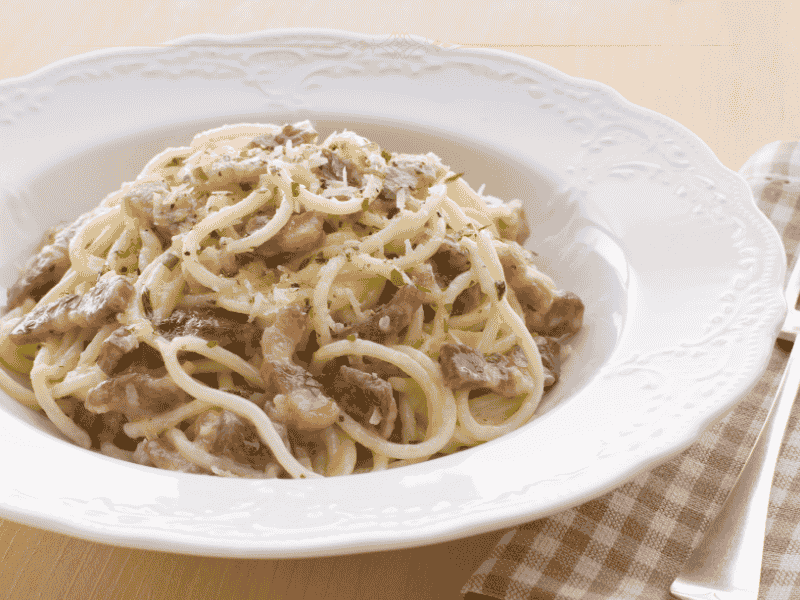
Rome is taking an unprecedented step to protect both locals and tourists from soaring restaurant prices as it prepares for one of its most significant events in recent history. The city’s innovative approach? A voluntary price control system focused on its iconic pasta dishes, spearheaded by what’s being dubbed the ‘Carbonara Agreement.’
The Eternal City is bracing for an extraordinary influx of visitors during the 2025 Jubilee Year of Hope, a special religious observance that occurs only once every 25 years. From Christmas Eve 2024 through early January 2026, Rome expects to welcome an estimated 35 million pilgrims, presenting unique challenges for the city’s renowned culinary sector.
Recent economic data paints a concerning picture for Rome’s restaurant industry. Local establishments have witnessed a 12 percent decline in revenue as Roman families increasingly cut back on dining out. This reduction comes as households grapple with rising living costs, facing average increases of €388 compared to the previous year. These financial pressures have prompted city officials to take action before the anticipated surge of pilgrims arrives.
A Innovative Response
In response to these challenges, Rome’s city council has approved a groundbreaking motion to establish voluntary price limits for signature Roman dishes. The initiative extends beyond just carbonara to include other beloved pasta dishes such as amatriciana. Participating restaurants will receive official recognition through a distinctive sticker display, marking them as adherents to the recommended price guidelines.
The initiative represents more than just price regulation. It embodies Rome’s commitment to preserving its culinary heritage while ensuring accessibility for all who wish to experience it. The program includes enhanced monitoring of menu pricing, increased oversight of price advertising, and regular reviews of compliance with posted prices. This comprehensive approach aims to support restaurants that maintain reasonable pricing while protecting consumers from potential price gouging.
Supporting Local Businesses
The city’s approach carefully balances protecting consumer interests with supporting local restaurants. By establishing reasonable price guidelines, Rome hopes to maintain restaurant profitability while encouraging continued patronage. This balance is crucial for preserving the city’s rich gastronomic heritage and ensuring that traditional Roman cuisine remains accessible to both locals and visitors.
The initiative emphasizes transparency and fairness in restaurant pricing. Participating establishments must maintain clear price displays, standardized portion sizes, and transparent billing practices. These measures aim to enhance the dining experience for all patrons while preventing unexpected surprises when the bill arrives.
The timing of this initiative aligns strategically with the upcoming Jubilee celebrations. Rome is implementing comprehensive preparations that include infrastructure improvements, restaurant capacity planning, staff training programs, and enhanced tourist information services. These preparations acknowledge the dual challenge of maintaining quality while serving an unprecedented number of visitors.
Tourism and Cultural Impact
The price control initiative is expected to positively influence Rome’s tourism sector while protecting its cultural heritage. By ensuring fair pricing for traditional dishes, the city aims to enhance the visitor experience while maintaining its reputation as a premier culinary destination. The program emphasizes the importance of preserving authentic Roman cuisine and supporting local ingredient sourcing.
The proposal has generated significant discussion among various stakeholders in Rome’s culinary community. Restaurant owners are weighing the benefits of participation, while local residents have largely expressed support for measures ensuring fair pricing. Tourism industry representatives and culinary associations are closely monitoring the program’s development.
Rome’s city officials are rolling out the program through a carefully planned approach. The initial phase includes restaurant registration and sticker distribution to participating establishments. Regular evaluation will help ensure the program’s effectiveness and allow for adjustments as needed.
As Rome approaches this significant period in its history, the success of this initiative could serve as a model for other tourist destinations facing similar challenges. The program demonstrates how cities can balance tourism demands with local interests while preserving cultural heritage and maintaining culinary standards.
Looking Forward
The innovative approach to managing food prices during a major religious and cultural event represents Rome’s commitment to maintaining its status as a world-class culinary destination. As the Jubilee Year approaches, the success of this program could set new standards for tourism management in historic cities worldwide.
The ‘Carbonara Agreement’ promises to ensure that both locals and tourists can continue to enjoy authentic Roman cuisine at reasonable prices, maintaining the delicate balance between tradition and accessibility that has long characterized the Eternal City’s approach to food and hospitality.