Two travelers breach security and shatter emergency exit in shocking attempt to board departing aircraft at German airport.
A stunning security breach at a major European airport has captured international attention after two passengers took matters into their own hands when they missed their scheduled departure. The incident, which unfolded on a Friday evening at Cologne/Bonn Airport in Germany, saw two men forcibly break through security barriers and run across the active tarmac in a desperate attempt to reach their plane before it departed for Romania.

Video footage of the incident has circulated widely online, showing the surreal scene of two individuals sprinting across the restricted airport grounds while frantically waving their arms to attract the attention of pilots and crew. The dramatic breach raised immediate questions about airport security protocols, passenger decision-making under stress, and the potential consequences travelers face when panic overrides common sense.
How the Security Breach Unfolded
The sequence of events began when the two passengers failed to reach their gate before the final boarding call for a Wizz Air flight scheduled to depart for Bucharest. Rather than accepting they had missed their flight and seeking assistance from airline staff to rebook on a later departure, the men made a split-second decision that would lead to criminal charges and international notoriety.
According to information released by local police, the passengers located an emergency exit door that provided access to the tarmac. These doors are equipped with emergency release mechanisms designed to allow evacuation during crisis situations, typically protected by a glass cover that must be broken to activate the door release. The two men smashed through this glass barrier to trigger the emergency mechanism and gain access to the restricted tarmac area.
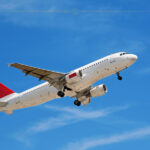
Once outside, they began running across the active airport grounds toward their intended aircraft. The Wizz Air plane, an Airbus bound for the Romanian capital, had already completed boarding procedures and pushed back from its parking position. The aircraft was in the taxiing phase, making its way toward the runway in preparation for takeoff when the men appeared on the tarmac.
The footage captured during the incident shows both individuals running at full speed across the pavement, desperately waving their arms overhead in an attempt to signal the aircraft crew. Their body language conveyed urgency and determination as they pursued the moving plane, apparently believing they could somehow convince the pilots to halt the aircraft and allow them to board.
Airport Response and Intervention
Airport staff responded swiftly to the security breach. Ground personnel monitoring the tarmac area spotted the unauthorized individuals almost immediately and moved to intercept them. Footage from the incident shows an airport employee approaching the two men on foot to prevent them from getting any closer to active aircraft or interfering with airport operations.
The response demonstrated the multilayered security systems in place at modern airports, where both technological surveillance and human monitoring work together to identify and address security violations. Despite the men successfully breaching the initial security door, airport staff contained the situation before it could escalate or impact flight operations.
Federal Police were notified of the breach and took custody of both men after airport staff apprehended them on the tarmac. The handover to federal authorities reflected the serious nature of the violation, as airport security breaches fall under national jurisdiction rather than local law enforcement in most countries.
An airport spokesperson later emphasized that despite the dramatic nature of the incident, aviation security at the facility was never compromised in a way that threatened passenger safety or airport operations. Flight operations continued normally throughout the incident, with no delays or disruptions to other departures or arrivals.
The Legal Consequences
The two passengers now face serious legal repercussions for their impulsive decision. Police filed criminal charges for trespassing, reflecting the fundamental violation of restricted area boundaries that the men committed when they broke through the security door and entered the tarmac without authorization.
Beyond the trespassing charges, authorities are investigating potential violations of the Air Security Act, German legislation specifically designed to protect aviation operations and prevent interference with aircraft. This law carries more severe penalties than simple trespassing because it addresses threats to aviation safety, a category of offense that European and international authorities treat with particular seriousness in the post-9/11 security environment.
Violations of air security regulations can result in substantial fines, potential imprisonment, and long-term consequences for future travel. Individuals convicted of breaching airport security may find themselves flagged in aviation security databases, potentially leading to enhanced screening, travel restrictions, or denial of boarding on future flights. For international travelers, such convictions can also affect visa eligibility and border crossing privileges.
The damage to the emergency exit mechanism adds another dimension to the potential charges. Destroying safety equipment at an airport facility constitutes vandalism of critical infrastructure and may carry additional penalties beyond the security violations themselves. Emergency exits and their activation mechanisms must meet strict safety standards, and repairs or replacements following deliberate damage can be costly.
Why Passengers Make Desperate Decisions
The Cologne incident highlights a broader pattern of passenger behavior under the stress of potentially missing flights. Air travel anxiety, tight connection times, and the financial implications of missing a flight can lead travelers to make decisions they would never consider under normal circumstances.
Missing a flight typically means rebooking costs, extended airport waits, potential hotel expenses if the next available flight departs the following day, and the cascading effects on any connections, accommodations, or commitments at the destination. For travelers on tight budgets or inflexible schedules, these consequences can feel overwhelming and prompt irrational responses.
The rise of budget airlines with strict policies regarding missed flights and rebooking fees has intensified these pressures. Unlike traditional carriers that may accommodate passengers who miss flights due to minor delays or confusion, low-cost carriers typically require passengers to purchase entirely new tickets at current rates, which can be significantly more expensive than the original fare. This financial reality can trigger panic when travelers realize they are about to miss their departure.
Cultural factors and language barriers at international airports can amplify passenger stress. Travelers navigating airports in countries where they do not speak the local language may feel additional anxiety about missing announcements, finding gates, or understanding rebooking procedures. This disorientation can contribute to poor decision-making when flights are missed.
The psychological phenomenon of sunk cost fallacy also plays a role in such incidents. Passengers who have already invested time and money in their travel plans may feel compelled to pursue increasingly irrational courses of action rather than accepting the loss and finding a reasonable alternative. The emotional commitment to catching a specific flight can override logical assessment of the situation and its consequences.
Airport Security Systems and Vulnerabilities
The Cologne incident exposed certain vulnerabilities in airport security design while simultaneously demonstrating that multiple layers of protection can contain breaches before they threaten aviation safety. The fact that two determined individuals could break through an emergency exit and access the tarmac reveals that physical barriers alone cannot prevent all unauthorized access attempts.
Modern airports balance security requirements with safety needs, creating inherent tensions in facility design. Emergency exits must remain accessible for rapid evacuation during fires, crashes, or other crisis situations. However, this accessibility creates potential security vulnerabilities that could be exploited by individuals with malicious intent or, as in this case, by desperate passengers making terrible decisions.
Most airports employ sophisticated surveillance systems including cameras covering tarmac areas, motion sensors on restricted doors, and control room staff monitoring multiple video feeds simultaneously. These systems detected the Cologne breach quickly, allowing ground staff to respond before the situation escalated. The layered approach meant that even though the men successfully breached the physical barrier, they were contained before reaching any aircraft or interfering with operations.
The incident will likely prompt security reviews at Cologne/Bonn Airport and potentially at other facilities that use similar emergency exit configurations. Security officials may evaluate whether additional barriers, enhanced surveillance, more prominent warnings, or modified door designs could prevent similar breaches without compromising emergency evacuation capabilities.
Impact on Flight Operations
Despite the dramatic nature of two unauthorized individuals running across an active tarmac, airport officials reported that the incident did not affect flight operations. This outcome reflects both the quick response of airport staff and the fact that the breach occurred in an area where its impact on other aircraft and airport functions could be contained.
The Wizz Air flight to Bucharest continued its departure process after a brief assessment confirmed that the aircraft had not been compromised and that normal takeoff procedures could proceed. Pilots and crew were informed of the situation but determined that no security threat to their aircraft existed and that departure could continue as planned.
Other flights operating at the airport during the incident experienced no delays or disruptions. The ability to contain the security breach without cascading effects on the broader airport operation demonstrates effective crisis management protocols and the importance of compartmentalized security zones that prevent local incidents from impacting entire facilities.
Had the incident occurred in a different area of the airport or had the individuals reached an active runway, the consequences for flight operations would have been dramatically different. Aircraft on approach or departure might have needed to abort procedures, leading to delays, diversions, and potential safety risks. The relatively isolated nature of the breach location contributed to the minimal operational impact.
Lessons for Other Travelers
Passengers planning international travel should take several lessons from this incident. First and foremost, missing a flight never justifies breaching security or attempting to access restricted airport areas. The consequences of such actions far outweigh any costs associated with rebooking, including criminal charges, potential imprisonment, travel bans, and permanent security flags that could affect future travel.
Travelers should build adequate buffer time into their airport arrival plans, especially at unfamiliar international airports where navigation may take longer than expected. Security screening times can vary significantly, and international terminals often sprawl across vast distances requiring substantial walking or train rides between checkpoints and gates.
Understanding airline policies regarding missed flights before travel can reduce panic if timing becomes tight. Many airlines offer options for same-day rebooking or standby status on later flights, though policies vary significantly between carriers and fare classes. Knowing these options in advance allows travelers to quickly pivot to productive solutions rather than making desperate decisions.
Travelers who realize they will miss their flight should immediately contact airline staff rather than attempting to reach the gate after boarding has closed. Airline representatives at ticket counters or service desks can often provide better rebooking options than passengers can access independently, and early notification sometimes allows airlines to hold flights briefly or accommodate late passengers through alternative means.
The financial sting of missing a flight pales in comparison to the legal and personal consequences of breaching airport security. Criminal charges, legal fees, potential incarceration, and long-term travel restrictions represent far greater costs than even the most expensive last-minute replacement ticket.
The Broader Context of Airport Security
The Cologne incident occurred against a backdrop of heightened aviation security awareness that has defined air travel for more than two decades. Since the September 11 attacks, airports worldwide have implemented increasingly sophisticated security measures designed to prevent unauthorized access to aircraft and restricted areas.
These security protocols exist to protect not just individual flights but the entire aviation system from various threats including terrorism, sabotage, theft, and unintentional interference with operations. While the two passengers in this incident posed no terrorist threat, their breach of security barriers triggered the same response protocols designed to address far more dangerous situations.
The incident also highlights the challenging balance airports must maintain between security and passenger convenience. Overly restrictive measures can make air travel cumbersome and unpleasant, potentially discouraging people from flying and harming the aviation industry. However, insufficient security creates vulnerabilities that could be exploited with catastrophic consequences.
Public cooperation represents a critical component of effective airport security. When passengers understand and respect security boundaries, staff can focus resources on identifying genuine threats rather than managing preventable breaches by confused or desperate travelers. Education about security procedures and their importance helps create a culture where passengers view these measures as protective rather than merely restrictive.
What Happens When You Miss Your Flight
For travelers who find themselves in the unfortunate situation of missing a flight, legitimate options exist that do not involve criminal activity. Most airlines maintain customer service desks at airports specifically to handle rebooking situations, and staff at these counters deal with missed flights daily.
Passengers who miss flights due to circumstances within the airline’s control, such as delayed incoming flights on the same ticket or lengthy security lines, may receive more favorable rebooking treatment than those who simply arrive late. However, even passengers who miss flights due to their own timing errors typically have options for purchasing new tickets or paying change fees to access later flights.
Travel insurance can mitigate the financial impact of missed flights, particularly when the miss results from covered circumstances like medical emergencies, severe weather, or documented transportation failures. Travelers who frequently fly or book expensive international tickets may find that travel insurance premiums pay for themselves in these situations.
Credit cards used to purchase airline tickets sometimes provide trip interruption or delay coverage that can help offset costs associated with missed flights and resulting accommodation needs. Understanding these benefits before travel allows passengers to quickly access available protections when problems arise.
The Cologne incident serves as a cautionary tale about the consequences of allowing travel stress and financial anxiety to override rational decision-making. While the immediate frustration of missing a flight feels overwhelming, the long-term consequences of breaching airport security dwarf any temporary inconvenience or cost associated with legitimate rebooking procedures. For travelers abroad, understanding this calculus before facing such situations can prevent split-second decisions that lead to criminal charges, international legal complications, and lifelong travel restrictions.