
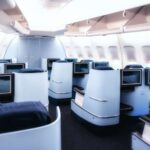
Every frequent flyer has seen it happen. Someone strolls past the curtain into a wide leather seat while the rest of the cabin shuffles toward the back, and the question hangs in the air: how did that person get picked? The truth is that complimentary upgrades are rarely random, and they are almost never handed out because a passenger asked nicely at the gate. A mix of airline policy, computer systems, timing and human judgment decides who moves forward. According to a flight attendant who has shared insider observations, a few common habits quietly sabotage a traveler’s odds, and for American flyers, understanding them can make the difference between a lie-flat seat and the middle of row 41.

Losing Your Cool With the Staff
The most damaging habit has nothing to do with fare class or frequent flyer numbers. It is how a traveler treats the people who work the flight. Gate agents and flight attendants deal with delays, overbooked planes, lost bags and impatient customers all day, and they notice who stays civil when things go wrong. According to the flight attendant, a passenger who is rude to staff can lose any shot at moving forward almost instantly.
Airlines generally give employees the ability to add notes to a reservation. A record that mentions a confrontation at the counter or an argument over a seat can follow a traveler from one trip to the next. When a premium seat opens at the last minute, an agent choosing between two passengers is unlikely to pick the one who snapped at a colleague twenty minutes earlier.
The reverse can also hold. Travelers who stay calm and polite occasionally receive smaller favors, such as a better seat within the same cabin, an exit row or early boarding. These are not formal upgrades, but they show how goodwill can shape what staff decide to offer when they have discretion.
Treating Boarding Day Like a Beach Day
American airlines dropped formal passenger dress codes years ago, and plenty of travelers now board in pajama pants, gym shorts and flip-flops. The flight attendant said appearance still matters in a quiet way. Her advice was to dress as though you already belong in the cabin you hope to sit in.
The reasoning is about perception, not regulation. When an agent has one seat and two passengers with similar claims, the person who looks neat and put together can seem like a more natural fit for the front of the plane. A collared shirt, a casual blazer, clean jeans or a simple dress tend to come across as respectful. Torn clothing, offensive slogans and very casual footwear tend to do the opposite.
No airline promises an upgrade in exchange for a nice outfit, and elite status will always outrank a good jacket. Still, dressing well costs nothing, and it can nudge a close decision in a traveler’s favor.
Assuming Charm Can Beat the System
Many travelers believe a friendly smile at the gate and a polite request will do the job. At the largest US carriers, upgrades are mostly run by software and published priority rules. Elite status comes first, followed by the type of fare purchased, the date of booking and, at some airlines, how much a member has spent during the year.
Because of that structure, a passenger with no status and a discounted ticket often sits near the bottom of a long list. The front cabin may already have a queue of loyalty members waiting for open seats, each with a stronger claim. Human judgment still plays a part, but it operates at the edges, on flights where premium seats remain unsold and the system has run out of obvious candidates.
That does not make asking pointless. A courteous question at check-in or the gate occasionally finds a sympathetic agent. The mistake is expecting a request to override a ranking system built to reward customers who fly the most.
Spreading Flights Across Too Many Airlines
Chasing the cheapest fare on every trip feels smart, but it can keep a traveler from ever reaching the loyalty tiers that unlock upgrades. Delta, United, American, Alaska and other major carriers give complimentary upgrades to their top-tier members first, and the higher the status, the better the position on the list.
Earning status generally requires flying a certain number of miles or segments, or spending a set amount with the airline and its co-branded credit card partners, during a calendar year. Some programs now put more weight on dollars spent than on distance flown, which has changed who benefits most. A traveler who splits flights among four airlines may earn a little with each and a lot with none.
Concentrating travel with one carrier, even when a competitor is a few dollars cheaper on a given route, is how many frequent flyers work their way up. Airline credit cards can add to the effort by offering perks such as priority boarding or a head start toward status.
Expecting Kids to Be Moved Up
The flight attendant made one claim that stood out from the rest. She said airlines will almost never upgrade children, and that she has essentially never seen it happen. Her explanation was that airlines are reluctant to seat passengers who do not fit the look of their top-paying customers in the premium cabin.
Whether that reflects official policy or one employee’s experience is unclear, since no major US airline publishes a rule that bars minors from upgrades. There are also practical reasons families rarely land in the front. A parent who wants to move forward typically needs several seats to open together, which is much harder than finding one empty seat. Splitting up a family, particularly one with young children, is usually not an option. Children traveling as unaccompanied minors fall under separate supervision rules, which can complicate seat changes further.
The flight attendant acknowledged that exceptions occur. On a flight where the front cabin is nearly empty and the back is packed, a family may occasionally get a surprise. She described those cases as rare, and parents who plan around a free upgrade may end up disappointed. Families who want extra space often have better luck with a paid upgrade or a fare class that includes more legroom.
Showing Up Without Flexibility
Travelers who insist on one exact flight on one exact day narrow their own chances. Airlines tend to have more unsold premium seats on certain departures, such as midday flights on Tuesdays and Wednesdays or routes with lighter business demand. A passenger who can pick a less popular time may find the front cabin emptier.
Flexibility matters on the day of travel as well. When a flight is oversold in the main cabin, airlines sometimes shift passengers forward to free up space in the back. Travelers who are willing to switch flights, take a later departure or volunteer to give up a seat may be among the first considered. That can mean compensation and, now and then, a better seat on the replacement flight.
Timing plays a role too. Many upgrades are finalized close to departure, once the airline knows how many premium seats will actually go unused. Business travelers cancel, miss connections or change plans, and seats open up. Elite upgrades at many carriers clear in stages, starting days before a flight and continuing through check-in and boarding. Passengers who arrive late miss that window entirely, because agents are usually busy with standby lists and boarding in the final minutes.
The flight attendant said last-minute upgrades are more common than people think. Some airlines also sell discounted upgrades through an app or at the gate shortly before departure, which can be a more dependable route than waiting for a free one.
Pushing Too Hard or Stretching the Truth
Some travelers respond to uncertainty by pressing harder. They ask repeatedly, complain loudly after a refusal or demand an upgrade at the counter. Airline staff generally treat that as a warning sign. A single polite request is acceptable, but continuing after an answer has been given can mark a passenger as difficult.
A related mistake involves inventing reasons. Claiming a medical need that does not exist, making up a special occasion or telling an exaggerated story to pressure an agent can backfire. Some airlines take false claims seriously and may note them in a customer’s file. Honest information is received more warmly. A traveler who is genuinely celebrating an anniversary or honeymoon might mention it politely at check-in, though no airline is obligated to respond with a better seat.
Other small habits can leave a bad impression as well. Boarding late, ignoring crew instructions and arguing about carry-on rules can leave staff with a negative view of a passenger. When a premium seat opens at the last moment, it tends to go to someone an agent remembers positively.
Why Solo Travelers Often Fare Better
Underneath many of these mistakes sits a simple matter of math. One empty seat in the front cabin can be filled by a single traveler. Two or three seats together are much harder to find. That is one reason solo business travelers, who also tend to hold elite status, dominate upgrade lists.
The flight attendant suggested that flying alone or with other adults improves a passenger’s chances compared with traveling in a larger group. That is not an option for everyone, and it does not mean a couple or small group cannot be upgraded. It means the odds shrink as the number of seats needed grows.
Final Words
No single habit decides whether a passenger lands in the front cabin. Elite status and fare class remain the biggest factors, and nothing a traveler wears or says can replace them. But the mistakes described here can quietly work against a traveler who otherwise has a reasonable shot. Rudeness to staff, careless dress, scattered loyalty, rigid schedules, late arrival, overly aggressive requests and unrealistic expectations for groups all lower the odds.
For American flyers, the pattern is consistent. Those who stay courteous, dress with some care, concentrate their flying with one airline, remain flexible on dates and times, and arrive early enough to be considered give themselves the strongest chance. Most of those steps cost nothing at all, and the ones that do take time are the ones that matter most to the system deciding who goes up front.

I think loyalty points and having status with the airline definately help.