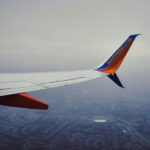
Beginning this week, passengers who can’t fit into a single economy seat must pay for an extra seat even if the plane isn’t full. Southwest Airlines has started strictly enforcing a policy that’s been on the books for more than two decades.
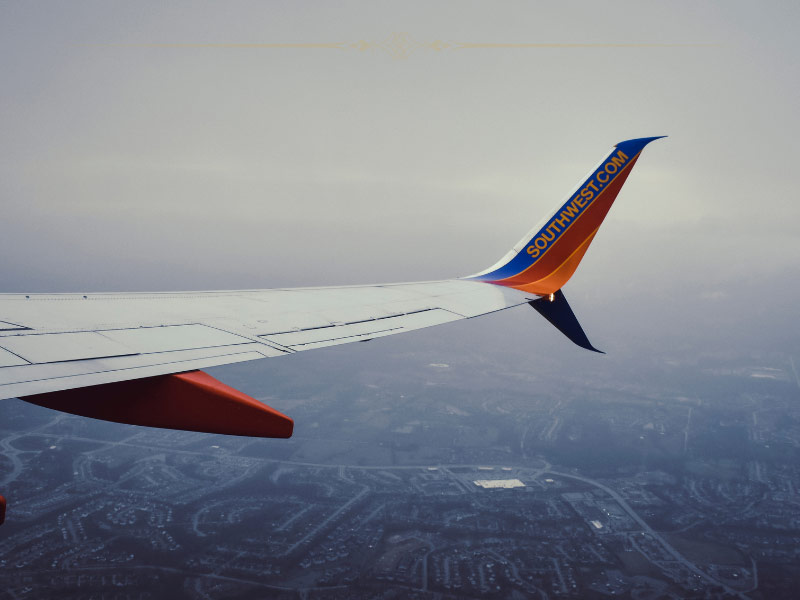
The move puts Southwest at the center of a growing debate about airline seating as Americans get bigger while airplane seats stay the same size. It’s a problem no airline wants to talk about, but one they can’t ignore anymore.
The Problem Gets Real
Here’s the reality: More than 60% of Americans weigh too much, according to government statistics. About one in four people are considered obese. Meanwhile, Southwest’s economy seats measure just 17¼ inches wide – barely enough room for many passengers.
For years, gate agents might have looked the other way when larger passengers squeezed into single seats. Not anymore. Southwest has told its staff to stop making exceptions. Every passenger who needs extra space must pay for it.
The airline uses simple rules to decide who needs a second seat. If you have to lift the armrests to fit in your seat, or if you need a seatbelt extension, you’ll be asked to buy another ticket.
How Much It Costs
The price depends on when you buy your ticket. If you purchase on the same day as your flight, expect to pay big. A Houston-to-Dallas ticket that normally costs $91 would jump to $251 with the extra seat – that’s an additional $160.
Passengers who buy tickets in advance get a better deal. They pay the same discounted rate for their second seat as they did for their first one. Those buying same-day tickets pay a child’s fare for the extra space, which is usually less than the full adult price.
There’s one small break in the policy. If your flight takes off with empty seats, you can ask for a refund on that second ticket after you land. But if the plane is packed – which happens a lot on Southwest – you’re stuck paying the full amount.
The extra payment doesn’t come with extra benefits either. Passengers buying second seats don’t earn additional frequent flyer miles for the purchase.
Legal Battles and Wins
Southwest has fought this battle in court before and won every time. Two major cases in the past decade have backed up the airline’s right to charge larger passengers more.
In one case, a woman weighing over 300 pounds sued after being told to buy a second seat. She claimed discrimination, but a California judge threw out the case. When she appealed, she lost again.
Federal law is on the airlines’ side. The Department of Transportation doesn’t stop carriers from charging for extra seats when passengers need them. Even the Americans with Disabilities Act, which requires businesses to make reasonable accommodations, doesn’t force airlines to give away free seats.
Travel lawyers say the law is clear: Airlines can charge for the space passengers actually use.
What Other Airlines Do
Every major airline has some version of this policy, but they handle it differently.
Delta takes a softer approach. Larger passengers can use empty seats next to them for free if the plane isn’t full. When flights are packed, they can either buy an extra seat or switch to a less crowded flight without penalty.
Northwest Airlines starts conversations about passenger size by asking if someone needs a longer seatbelt. Some people need the extension but still fit in one seat. Others clearly need more space.
United Airlines keeps it simple: If you need two seats, you pay for two seats. But they sweeten the deal by giving double frequent flyer miles to make up for the extra cost.
The Business Side
Airline executives say this isn’t about picking on heavy people – it’s about basic fairness. When someone uses more of their product, they should pay more for it.
Airlines make money by packing as many passengers as possible into their planes. Every seat matters, especially when most flights are nearly full. Southwest fills about 70% of its seats on average, which means empty spots are hard to come by.
The airline industry runs on tiny profit margins. When passengers take up more space than planned, it throws off the whole business model that keeps ticket prices relatively affordable for everyone else.
Corporate Solutions
Some smart companies have found ways to help their traveling employees avoid these awkward situations. Large travel agencies report upgrading workers to first-class when they need more room, rather than dealing with the hassle and embarrassment of buying two economy seats.
But this solution only works for companies with big travel budgets. Smaller businesses often can’t afford premium seats, leaving their employees to figure it out on their own.
The Screening Process
Southwest has tried to make the identification process as smooth as possible. Gate agents look for passengers who can’t sit down without raising the armrests or who need seatbelt extensions. These are concrete, measurable standards that reduce guesswork.
The airline prefers to handle these situations before boarding starts. It’s less disruptive and less embarrassing than dealing with seating problems once people are already on the plane.
But sometimes issues only become clear during boarding. When that happens, Southwest staff work quickly to resolve the problem without delaying the flight.
Technology Changes
Southwest’s policy enforcement coincides with a switch to electronic boarding passes. The new system can show when passengers have bought extra seats, making it easier for gate agents and flight attendants to manage boarding.
This technology helps Southwest maintain its unique open-seating policy while accommodating passengers who need extra space. Unlike other airlines where you can reserve specific seats, Southwest’s first-come-first-served approach requires different solutions.
Health Trends Point to Bigger Problems
The passenger size issue isn’t going away anytime soon. Americans continue to gain weight on average, which means airlines will face increasing pressure to adapt.
Some industry watchers think future airplanes might need different seat configurations with more size variety. But changing aircraft designs takes years and involves safety certifications and huge costs that could push up ticket prices for everyone.
The Other Side of the Argument
Groups that advocate for larger people say these policies amount to discrimination. They argue that airlines have made seats smaller over the years to cram in more passengers and boost profits. Now they’re charging premium prices to fix a problem they created.
These advocates believe airlines should provide adequate seating for all body types without extra charges. They point out that seat sizes have shrunk even as Americans have grown larger – a collision course that was bound to cause problems.
Some consumer rights groups suggest the real issue is corporate greed. They say airlines cut seat sizes to make more money, then blame passengers when the tiny spaces don’t work for real human bodies.
Different Markets, Different Challenges
Not all airline routes face the same passenger size challenges. Flights serving areas where people tend to be larger might deal with more accommodation requests than routes to other regions.
Some smaller airlines have experimented with roomier seats across the board, though they charge higher base fares to make up for carrying fewer passengers. These niche approaches serve specific markets but haven’t caught on with major carriers focused on keeping costs low.
What Passengers Can Do
Travelers who might need extra space have several options. They can buy a second seat when booking to avoid airport surprises. Some choose to fly on less popular routes or times when planes are less likely to be full.
Others upgrade to premium economy or first-class seats that offer more room, though these cost significantly more than buying a second economy seat.
The key is planning ahead rather than hoping gate agents will make exceptions at the airport.
Industry Still Searching for Answers
Airlines continue looking for better ways to handle passenger size issues. Some are testing new seat designs that might accommodate different body types. Others are exploring dynamic pricing that adjusts costs based on actual space used.
But any major changes take time and money. New seat configurations require safety testing and regulatory approval. Different pricing models need complex computer systems and staff training.
The Bigger Picture
The debate over airline seating policies reflects broader American struggles with obesity, accommodation, and fairness. As air travel becomes more essential for business and family connections, finding solutions that work for everyone grows more urgent.
Southwest’s strict enforcement represents one approach to managing these competing demands. Other airlines may follow suit, or they might find different ways to balance passenger comfort with business reality.
What’s clear is that the days of informal, case-by-case decisions are ending. As planes get more crowded and passengers get larger, airlines are turning to formal policies and consistent enforcement.
The challenge now is finding approaches that treat all passengers fairly while keeping air travel affordable and accessible. It’s a balancing act that will likely define airline customer service for years to come.
For now, Southwest is betting that clear, consistent rules work better than leaving decisions to individual gate agents. Whether passengers agree remains to be seen, but the airline has shown it’s willing to enforce policies even when they’re unpopular.
The bottom line is simple: If you need more space on Southwest, you’ll need to pay for it. No exceptions, no matter how empty the plane might be.