
Southwest Airlines is about to make the biggest changes to its operations in decades. Starting January 27, 2026, two major policy shifts will fundamentally alter the Southwest flying experience that millions of Americans have come to know and love.
The Dallas-based carrier is abandoning its famous open seating system and implementing stricter rules for passengers who need extra space. These changes represent a dramatic departure from the policies that have defined Southwest’s identity since the airline began operations more than 50 years ago.
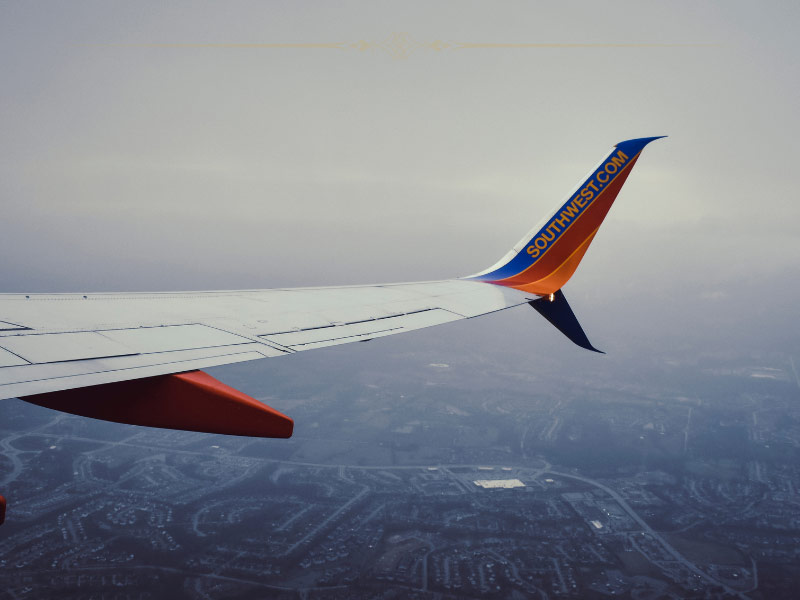
For travelers accustomed to Southwest’s unique approach to air travel, 2026 will mark the end of an era. The airline that built its reputation on doing things differently is moving toward industry-standard practices that mirror what passengers experience on other major carriers.
The timing of these announcements comes as Southwest faces mounting pressure from investors and struggles with declining profits in an increasingly competitive airline market. While company executives frame the changes as improvements designed to give customers more choices, critics argue the moves strip away what made Southwest special in the first place.
Assigned Seating Replaces the Free-for-All Boarding Experience
The most visible change coming to Southwest will be the end of open seating. For the first time in the airline’s history, passengers will be able to select specific seats when they book their flights, just like on every other major airline.
Starting with all flights departing on or after January 27, 2026, Southwest customers will choose their seats during the booking process. The airline plans to offer different categories of seats, with premium options available for additional fees. While specific details about cabin configurations and pricing remain under development, passengers can expect to see the familiar industry model of economy, premium economy, and potentially business class sections.
This change eliminates Southwest’s signature boarding process that has become both beloved and despised by different groups of travelers. The current system assigns passengers to boarding groups A, B, or C, with numbers within each group determining the order people get on the plane. Early boarders secure their preferred seats, while late arrivals often find themselves stuck in middle seats or separated from traveling companions.
The open seating model created a unique culture around Southwest flights. Passengers would arrive at gates early to secure good boarding positions, sometimes camping out for hours before departure. Business travelers and frequent flyers learned strategies for gaming the system, while casual travelers often found themselves confused by the process.
Southwest’s move to assigned seating brings both advantages and drawbacks for different types of passengers. Families traveling together will no longer worry about being separated across the aircraft. Business travelers can guarantee their preferred aisle or window seats without arriving at the gate early. Passengers with tight connections won’t need to stress about boarding group assignments affecting their seat options.
However, the change also eliminates some flexibility that made Southwest attractive to certain travelers. The current system allows passengers to change seats after boarding if better options become available. It also creates opportunities for savvy travelers to secure premium seats without paying extra fees, provided they board early enough.
Industry analysts expect Southwest to implement a tiered pricing structure similar to other airlines, where standard economy seats come with the base ticket price while passengers pay extra for seats with more legroom, better locations, or earlier boarding privileges. This represents a significant shift from Southwest’s historically simple pricing model.
The assigned seating change also affects Southwest’s operational efficiency, which has long been a company strength. The airline currently boasts some of the fastest aircraft turnaround times in the industry, partly due to the speed of its open seating boarding process. Converting to assigned seating may slow boarding and reduce the number of flights Southwest can operate with the same aircraft and crew resources.
New Rules for Passengers Needing Extra Space
Southwest’s second major policy change affects passengers who require more than one seat due to their size. The airline is ending its flexible approach to accommodating larger travelers and implementing stricter advance purchase requirements.
Under the current system, passengers who cannot fit comfortably within a single seat’s armrests have several options. They can purchase a second seat when booking their flight, request an additional seat at the gate, or ask for accommodation if empty seats are available. If the flight departs with open seats, passengers who purchased extra seats can request refunds after their travel.
The new policy eliminates much of this flexibility. Beginning January 27, 2026, passengers who need extra space must purchase two seats before arriving at the airport. The airline will no longer provide complimentary additional seats, even on flights with empty seats available.
Passengers who fail to purchase the required second seat in advance face significant consequences under the new rules. If they arrive at the airport needing an extra seat and the flight is full, they will be denied boarding and rebooked on a later flight with available seats. This policy puts the burden on passengers to accurately assess their seating needs and purchase accordingly when booking their trips.
The refund process for extra seats remains available but with new restrictions. Passengers can still request refunds if their flight departs with empty seats, but both purchased seats must be in the same fare category, and refund requests must be submitted within 90 days of travel. These additional requirements may complicate the refund process compared to the current more flexible approach.
Southwest’s previous policy made it a preferred airline among larger passengers who appreciated the company’s accommodation-friendly approach. The airline’s willingness to provide extra seats without charge when flights weren’t full set it apart from competitors who typically require advance purchase of additional seats regardless of flight capacity.
The policy change brings Southwest in line with industry standard practices. Most major airlines require passengers needing extra space to purchase additional seats upfront, with limited or no refund options if flights depart with empty seats. American, Delta, United, and other carriers have maintained strict advance purchase requirements for years.
Consumer advocates argue that the new policy places an unfair financial burden on passengers who may not always be able to predict their seating needs accurately. Factors like clothing, medical conditions, and even aircraft type can affect whether someone requires additional space on a particular flight. The advance purchase requirement eliminates the flexibility to make these determinations at the airport.
The change also affects passengers traveling on Southwest’s historically generous refund and change policies. While the airline maintains its reputation for customer-friendly booking modifications, the extra seat policy adds complexity and restrictions that weren’t present before.
Financial Pressures Drive Policy Evolution
These policy changes don’t happen in a vacuum. Southwest faces significant financial challenges that have prompted leadership to reconsider long-standing practices that differentiate the airline from competitors.
The carrier has experienced declining profitability in recent quarters as fuel costs, labor expenses, and competitive pressures have squeezed margins. Investors have increasingly pressured Southwest management to find new revenue sources and operational efficiencies to maintain the company’s historically strong financial performance.
Assigned seating creates multiple revenue opportunities that Southwest has previously foregone. Premium seat fees, early boarding charges, and seat selection fees can generate hundreds of millions in annual revenue based on other airlines’ experiences. These ancillary revenue streams have become crucial profit centers across the airline industry.
The extra seat policy change also has financial implications. By requiring advance purchase of additional seats, Southwest reduces the operational complexity and potential revenue loss associated with last-minute seat accommodations. The airline can better predict capacity utilization and optimize pricing when all seats are accounted for during the booking process.
Southwest built its business model on operational efficiency and cost control rather than ancillary revenue generation. The airline’s success came from offering low base fares while maintaining minimal fees for services like checked bags, seat selection, and flight changes. This approach attracted price-conscious travelers but limited revenue opportunities as the industry evolved.
Competitors have increasingly embraced unbundled pricing models where base fares remain competitive while additional services generate significant revenue. American, Delta, and United collect billions annually from baggage fees, seat upgrades, and other ancillary services. Southwest’s resistance to this model has put the airline at a financial disadvantage in recent years.
Impact on Southwest’s Brand Identity
These changes represent more than operational adjustments – they fundamentally alter what Southwest Airlines means to travelers. The company built its brand around being different from other airlines, offering unique policies and customer experiences that set it apart in a commoditized industry.
Open seating became synonymous with Southwest’s maverick approach to air travel. The boarding process, while sometimes confusing to newcomers, created a sense of adventure and possibility that other airlines couldn’t match. Passengers never knew exactly where they’d sit until they walked down the aisle, creating a democratic approach to seat selection based on arrival time rather than payment.
The airline’s size-accommodation policies similarly reflected Southwest’s reputation for treating customers with dignity and flexibility. The willingness to provide extra seats without charge when possible demonstrated a customer-first approach that contrasted with competitors’ more rigid policies.
Southwest’s marketing has long emphasized these differences, positioning the airline as the customer-friendly alternative to bigger, less flexible carriers. Advertising campaigns celebrated the airline’s unique culture and policies as reasons to choose Southwest over competitors with similar routes and pricing.
These policy changes force Southwest to compete more directly on traditional airline metrics like seat comfort, route networks, and pricing rather than relying on unique operational approaches. While this may help the airline generate additional revenue, it also eliminates key differentiators that have driven customer loyalty for decades.
Frequent Southwest travelers have built their booking and travel strategies around the airline’s unique policies. Business travelers who mastered the boarding process to secure premium seats without paying extra fees will now face the same seat selection charges as on other airlines. Larger passengers who appreciated Southwest’s flexible accommodation policies must now plan and budget differently for their travels.
Passenger Reaction and Industry Response
The announcement of these changes has generated mixed reactions from Southwest’s customer base and industry observers. Long-time passengers express disappointment about losing the unique Southwest experience, while others welcome the ability to guarantee specific seats when booking.
Travel industry analysts view the changes as necessary evolution for Southwest to remain competitive in the modern airline market. The revenue potential from assigned seating and stricter extra seat policies could significantly improve the airline’s financial performance if implemented successfully.
Consumer advocacy groups have raised concerns about the impact on larger passengers, arguing that the new extra seat policy creates additional barriers to air travel for people who may already face discrimination and higher costs. These organizations worry that the changes will make flying less accessible for passengers who don’t fit standard airline seat dimensions.
Other airlines are watching Southwest’s transition closely, as the carrier’s success or failure with these changes could influence industry-wide policy decisions. If Southwest successfully generates significant additional revenue without losing substantial market share, competitors may consider similar policy modifications.
The changes also affect Southwest’s employees, who must adapt to new procedures and passenger expectations. Flight attendants will need training on assigned seating procedures, while gate agents will implement new policies for passengers requiring extra seats. These operational changes require significant investment in training and system modifications.
Implementation Timeline and Logistics
Southwest faces significant logistical challenges in implementing these changes across its network of more than 800 aircraft and 130 destinations. The assigned seating transition requires modifications to booking systems, mobile apps, airport displays, and crew procedures.
The airline must reconfigure aircraft interiors to accommodate different seat categories and install necessary technology for seat assignments and boarding procedures. While Southwest hasn’t detailed specific cabin layouts, the transition likely involves designating premium sections with enhanced amenities or additional legroom.
Crew training represents another major undertaking. Flight attendants must learn new boarding procedures, seat assignment protocols, and customer service approaches for the assigned seating environment. Gate agents need education on the revised extra seat policies and procedures for handling passengers who arrive without required additional seat purchases.
Southwest’s reservation and mobile app systems require extensive updates to support seat selection, premium seat purchases, and integration with the airline’s existing frequent flyer program. These technical changes must be thoroughly tested to avoid system failures that could disrupt operations during the transition period.
The January 27, 2026 implementation date allows Southwest nearly two years to complete these preparations, but the scope of changes required represents one of the most complex operational transitions in airline industry history.
For passengers, the changes mean adapting to new booking procedures, seat selection processes, and boarding experiences. Regular Southwest travelers will need to modify their travel routines and expectations when the new policies take effect.
The transformation of Southwest Airlines from maverick carrier to mainstream airline represents a significant shift in the American aviation landscape. Whether these changes ultimately benefit passengers and shareholders will depend on how successfully Southwest executes the transition while maintaining the customer service culture that has defined the airline for decades.
My last flight on southwest is booked for early January as it uses up the last of my miles that I’ve accumulated from years of preferring SW. They are now just another airline with worse routes than their competitors.
“Factors like clothing, medical conditions, and even aircraft type can affect whether someone requires additional space on a particular flight. The advance purchase requirement eliminates the flexibility to make these determinations at the airport.”
I have never seen a situation where clothing has affected someone’s ability to fit within a seat where a different choice of clothing would have a different outcome. even if such a situation existed. The traveler has the choice to opt for other clothing or purchase an additional seat. The same holds true for medical conditions. Remember, this change affects only seat, width, not leg room or seat pitch. Passengers who require more than one seat should be required to make the appropriate plans and purchases. Neighboring passengers should not be forced to accommodate the needs of oversized passengers. Sometimes this is not even possible, for example, when flights are full, leaving those who paid for a seat to be forced to relinquish part of their seat to accommodate oversized passengers.