Social media users are promoting a new wave of questionable airport behaviors that promise travelers everything from better seats to reduced wait times. These viral travel “hacks” — known as “airport theory,” “seat squatting,” and “check-in chicken” — are creating significant problems for airline staff while potentially leading to expensive consequences for passengers who attempt them. Aviation industry professionals warn that despite their popularity on platforms like TikTok and Instagram, these trends often backfire, leaving travelers stranded, embarrassed, or facing unexpected costs.
The Rise of Viral Travel Shortcuts
The allure of travel hacks is understandable. Air travel can be expensive, time-consuming, and occasionally uncomfortable. Who wouldn’t want to discover a legitimate shortcut to a better experience? Social media platforms thrive on content that promises insider knowledge, and travel hacks fit perfectly into this ecosystem. Short videos featuring travelers smugly sharing their “genius” methods for gaming the system generate millions of views and thousands of shares.
What makes these particular trends concerning is their widespread adoption despite significant flaws in their underlying logic. Unlike genuinely helpful travel tips—such as wearing compression socks on long flights or staying hydrated—these viral trends actively work against established airline protocols designed for efficiency and safety.
The problem lies in the disconnect between what makes for engaging social media content and what constitutes responsible travel behavior. Videos showcasing successful applications of these hacks rarely acknowledge the significant risks involved or the potential consequences when they inevitably fail. This creates a skewed perception of their effectiveness and desirability.
Check-In Chicken: High-Stakes Gambling with Seat Assignments
Among the most popular viral travel trends is what has become known as “check-in chicken.” This strategy involves deliberately delaying check-in until the last possible moment in hopes that the airline’s automated system will assign an unsold premium seat rather than a less desirable middle seat.
The reasoning behind this approach stems from the observation that some airlines’ seat assignment algorithms prioritize filling middle seats first to encourage passengers to pay for upgrades. By waiting until most passengers have already checked in and received their seat assignments, proponents of this hack believe they can increase their chances of receiving a better seat by default.
On its surface, this strategy might appear logical. However, the reality of modern airline operations reveals significant flaws in this approach. Many major carriers have sophisticated systems that reserve premium seats until the final stages of the boarding process specifically to prevent this kind of manipulation. Furthermore, some airlines, particularly budget carriers, intentionally assign less desirable seats to late check-ins as a disincentive for this behavior.
The risk-reward calculation becomes even more problematic when considering that many airlines now use check-in time as a tiebreaker for complimentary upgrades. By deliberately checking in late, passengers may actually be reducing their chances of receiving a better seat through legitimate channels. Additionally, late check-ins risk being assigned to standby status on overbooked flights, potentially losing their guaranteed place on the aircraft altogether.
Industry professionals note that while this strategy occasionally works—creating the viral success stories that fuel its popularity—the success rate is far lower than social media would suggest. The inconsistency of outcomes makes check-in chicken less a reliable hack and more a form of gambling with seat assignments, with odds firmly favoring the house.
Airport Theory: A Misguided Attempt at Efficiency
Perhaps the most dangerous of the viral travel trends is what has been dubbed “airport theory.” This approach advocates arriving at the airport mere minutes before a flight’s scheduled departure, based on the premise that airlines deliberately overestimate the time required for boarding procedures.
Proponents of airport theory suggest that standard recommendations to arrive two to three hours before international flights and one to two hours before domestic flights are unnecessarily conservative. By showing up just 15-30 minutes before departure, they claim to maximize productivity and minimize unpleasant waiting time in the terminal.
Aviation industry professionals unanimously condemn this practice as fundamentally misguided and potentially costly. The boarding time estimates provided by airlines account for numerous variables, including security processing times, distance to gates, and potential delays at any stage of the pre-boarding process. These estimates are not arbitrary but based on extensive data analysis and operational experience.
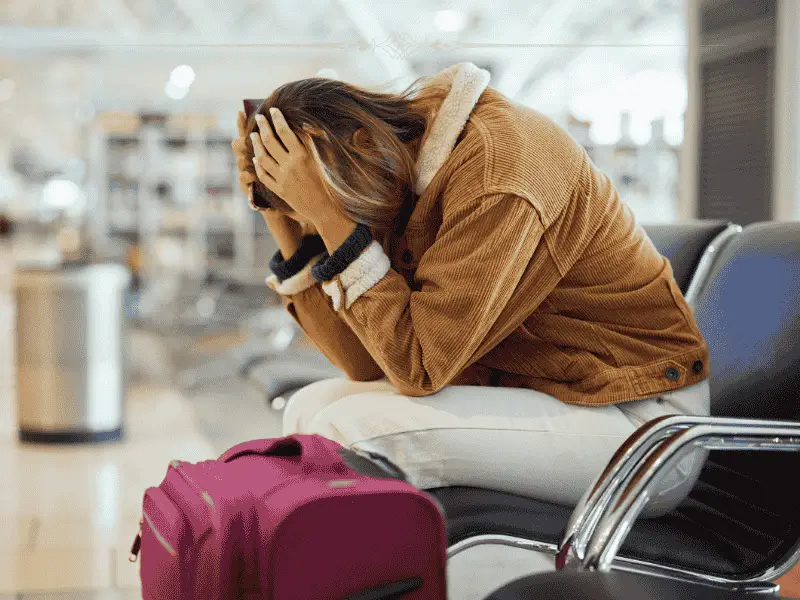
The consequences of miscalculating this delicate timing can be severe. Airlines typically close check-in counters and boarding gates well before the actual departure time. Once these closures occur, gate agents have both the authority and the responsibility to deny boarding to latecomers, regardless of ticket status.
Furthermore, the financial implications of missing a flight due to late arrival can be substantial. Many fare classes do not permit rebooking without significant penalty fees, and depending on the destination and time of year, securing a seat on the next available flight may prove impossible. What begins as an attempt to save time can quickly transform into an expensive lesson in airline policies.
Beyond the individual consequences, airport theory presents broader issues. Late arrivals disrupt the carefully orchestrated flow of boarding procedures, potentially delaying departures for all passengers. In an industry where on-time performance metrics directly impact operating costs and customer satisfaction ratings, airlines have strong incentives to enforce strict boarding deadlines.
Seat Squatting: The Unauthorized Upgrade Attempt
Another popular trend that has gained traction on social media is “seat squatting”—the practice of deliberately occupying a premium seat to which one is not assigned, hoping that the rightful occupant either doesn’t show up or chooses not to confront the squatter.
This trend targets several categories of desirable seats, including exit rows with additional legroom, premium economy sections, and occasionally even business class seats on less crowded flights. The strategy relies on a combination of timing (boarding early to establish possession) and social psychology (betting that legitimate passengers will avoid confrontation).
From an operational perspective, seat squatting creates multiple problems for airlines. Modern aircraft carefully calculate weight distribution based on assigned seating, and unauthorized seat changes can potentially impact these calculations. While individual instances may have minimal effect, widespread adoption of this practice could introduce genuine safety concerns.
The legal implications of seat squatting extend beyond mere inconvenience. Cabin crew instructions—including directions to occupy assigned seats—carry the weight of aviation regulations in most jurisdictions. Refusal to comply with these instructions can result in removal from the aircraft and, in extreme cases, meeting law enforcement upon deplaning.
Flight attendants report that seat squatting incidents have increased noticeably since these viral videos gained popularity. These confrontations not only create uncomfortable situations for all involved but also delay boarding procedures and departure times. From the airline’s perspective, these delays translate directly into increased operating costs, as airport gates often charge by the minute.
Even when successful, the benefits of seat squatting are typically short-lived. On most modern flights, electronic systems track passenger manifests in real-time, making it increasingly difficult to remain undetected in the wrong seat. The temporary comfort gained rarely justifies the potential consequences, which can range from public embarrassment to being banned from future flights with the carrier.
The Role of Social Media in Promoting Questionable Practices
The viral nature of these travel hacks raises important questions about the responsibility of content creators and platforms in vetting travel advice. Unlike traditional media, where fact-checking processes typically filter out obviously flawed information, social media algorithms often prioritize engagement over accuracy.
Videos showcasing successful applications of these hacks generate significant attention, while the far more numerous failures rarely make it to public view. This creates a selection bias that dramatically overrepresents the effectiveness of these strategies. When combined with the tendency of content creators to embellish or stage successful outcomes, the result is a profoundly misleading portrayal of reality.
The problem is compounded by the echo chamber effect of social media platforms, where initial claims are amplified through sharing and replication without critical evaluation. As these ideas spread, they gain an unearned legitimacy through mere repetition and familiarity.
Travel industry professionals have attempted to counter these narratives with factual information about airline policies and procedures, but these explanations typically lack the viral appeal of the original content. The asymmetry in engagement creates a situation where accurate information struggles to compete with sensationalized shortcuts.
The Real Costs of Viral Travel Hacks
Beyond the immediate consequences for individual travelers, these viral trends impose broader costs on the travel ecosystem. Airlines report increasing resources devoted to managing disruptive behaviors inspired by social media, from additional staff training to handle confrontations to technological solutions for preventing seat assignment manipulation.
These operational adjustments inevitably translate into higher costs, which are ultimately passed on to travelers through fare increases or reductions in complimentary services. The irony is that passengers seeking to game the system through these hacks are contributing to an environment that makes travel more expensive and less pleasant for everyone.
Additionally, these trends create an adversarial relationship between passengers and airline staff, transforming what should be a service interaction into a contest of wills. Flight attendants report increased stress levels and decreased job satisfaction when forced to repeatedly address these behaviors, potentially impacting the quality of service provided to all passengers.
For airports, the proliferation of last-minute arrivals disrupts carefully calibrated passenger flow models, potentially leading to congestion at security checkpoints and other bottlenecks. This affects not only the latecomers themselves but all travelers moving through the terminal at that time.
Legitimate Strategies for Improving the Travel Experience
While viral travel hacks often prove counterproductive, travelers do have legitimate options for enhancing their journey. Industry professionals emphasize that the most effective strategies involve working within the established system rather than attempting to circumvent it.
Joining airline loyalty programs represents one of the most reliable pathways to preferential treatment. Even at lower status tiers, these programs often provide benefits such as priority boarding, better seat selection options, and occasional complimentary upgrades. Unlike social media hacks, these advantages are officially sanctioned and create no conflict with airline staff.
Timing also plays a significant role in securing better travel experiences. Booking flights during less popular days or times typically results in less crowded cabins and more attentive service. Similarly, strategic selection of connection airports can minimize the stress associated with tight layovers.
Technology offers additional opportunities for optimization. Many airlines have developed sophisticated mobile applications that provide real-time updates on gate changes, boarding times, and upgrade availability. By leveraging these official tools, passengers can make informed decisions without resorting to disruptive behaviors.
For those specifically concerned with seating comfort, aviation experts recommend direct investment in this aspect of the journey. While purchasing premium seats represents an additional expense, the guaranteed improvement in experience often justifies the cost compared to the uncertainty and potential consequences of unauthorized approaches.
The Psychology Behind Viral Travel Trends
Understanding why these questionable travel hacks gain traction despite their obvious flaws requires examining the psychological factors at play. Several cognitive biases contribute to their persistent appeal despite contradictory evidence.
The illusion of control represents a significant factor. Air travel inherently involves surrendering control to complex systems and professionals, creating anxiety for many passengers. Hack-based approaches provide a comforting narrative that individuals can outsmart these systems, restoring a sense of agency in an environment where passengers typically have limited influence.
Status anxiety also plays a role, particularly in hacks targeting premium seating. The visible stratification of air travel, with its clear demarcation between service classes, can trigger social comparison. Viral hacks promise access to higher-status experiences without the corresponding financial investment, appealing to aspirational motivations.
Perhaps most importantly, these trends benefit from optimism bias—the tendency to overestimate positive outcomes and underestimate negative consequences. When viewing a successful seat squatting video, viewers readily imagine themselves enjoying the extra legroom but rarely consider the potential embarrassment of being publicly removed from the seat or even the flight.
Airline Industry Responses to Viral Trends
As these problematic travel behaviors have increased in frequency, airlines have developed countermeasures to maintain operational integrity. These responses range from policy adjustments to technological solutions specifically designed to discourage and detect attempts to game the system.
Many carriers have implemented more stringent boarding verification procedures, with multiple checkpoints to ensure passengers occupy their assigned seats. Electronic tracking systems now provide flight attendants with real-time information about seat assignments, making unauthorized occupation immediately apparent.
To combat check-in chicken strategies, some airlines have revised their seat assignment algorithms to specifically counteract delayed check-in manipulation. Others have implemented financial incentives for early check-in, effectively inverting the perceived advantage of waiting until the last minute.
For airport theory adherents, consequences have become more formalized. Many airlines now explicitly state in their conditions of carriage that passengers arriving after designated cut-off times forfeit all rights to their reserved seats without compensation. Gate agents receive training to enforce these policies consistently, regardless of passengers’ social media-inspired expectations.
The Reality Behind the Viral Videos
Industry insiders note that many viral videos purporting to demonstrate successful travel hacks contain misleading elements or outright fabrications. In some documented cases, content creators have staged scenarios using friends employed by airlines or filmed during unusual circumstances such as nearly empty flights—situations that bear little resemblance to typical travel conditions.
Other videos showcase genuine but rare successful outcomes while omitting the multiple failed attempts that preceded them. This selective presentation creates a skewed perception of success rates, encouraging viewers to attempt strategies that are statistically unlikely to succeed.
The most problematic content frames these hacks as clever workarounds rather than what they often legally represent: violations of the contract of carriage that passengers agree to when purchasing tickets. By glossing over the contractual and regulatory aspects, these videos minimize the legitimate authority of airline staff to enforce compliance.
A Sustainable Approach to Travel
As these viral trends continue to circulate, travel experts emphasize the importance of adopting a more sustainable approach to air travel—one that respects the complex systems and human professionals who make global mobility possible.
This perspective recognizes that truly improving the travel experience requires collective responsibility rather than individual attempts to gain advantage at others’ expense. When passengers observe established protocols, flights depart on time, staff can focus on service rather than enforcement, and the overall experience improves for everyone involved.
For travelers genuinely concerned about comfort and convenience, the most reliable approach remains straightforward: prioritize these factors when booking and be willing to invest accordingly. The certainty of a properly purchased premium seat or early boarding privilege consistently outperforms the gamble of unauthorized methods.
As social media continues to influence travel behaviors, developing media literacy skills becomes increasingly important for responsible travelers. This includes critically evaluating viral claims, considering the perspectives of all stakeholders in the travel ecosystem, and recognizing that genuine improvements rarely come at zero cost.
By approaching air travel with realistic expectations and respect for established procedures, passengers can navigate the system effectively without contributing to the problems created by misguided viral trends. In an industry where success depends on coordination and compliance, working within the system ultimately provides more reliable benefits than attempting to circumvent it.