
The changes affect millions of journeys annually and represent the most significant shift in UK immigration procedures in years. The implementation follows months of warnings and preparation periods, yet confusion remains widespread about exactly who needs to comply, how the system works, and what consequences await those who arrive without proper authorization. Understanding these new requirements has become essential for anyone planning to enter the UK, whether returning from a holiday, visiting family, or conducting business.
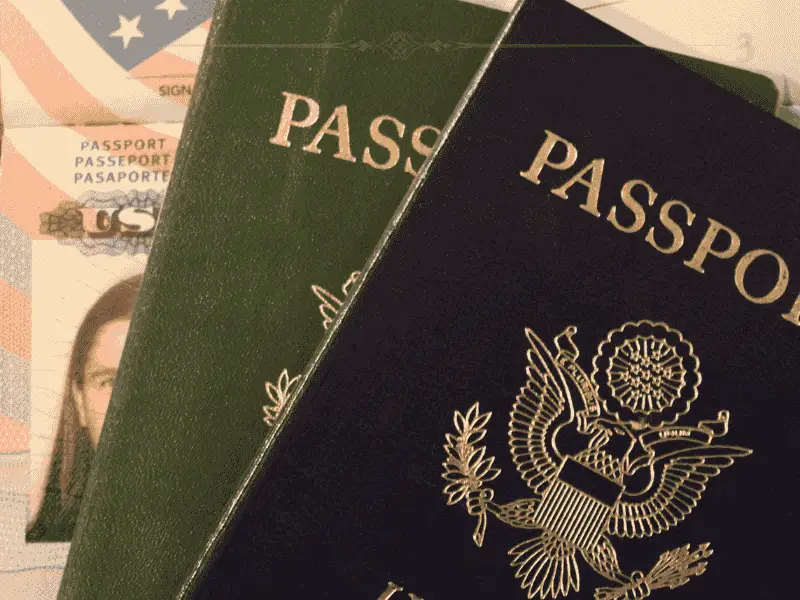
The rules changed in February introducing complexities that didn’t exist before. Travelers who previously needed only a valid passport to enter the UK now face additional digital hurdles that must be cleared before boarding transport heading to British territory. The system affects flights, ferries, and international train services, making it impossible to avoid for anyone crossing UK borders.
The Electronic Authorization Requirement
The centerpiece of the new system involves something called an Electronic Travel Authorisation, commonly shortened to ETA. This digital permission represents a fundamental change in how the UK manages entry for certain categories of travelers, moving from a relatively open system to one requiring pre-approval before arrival.
The ETA functions as advance permission allowing specific travelers to board transport heading to the UK and subsequently enter British territory. Without this authorization loaded into immigration systems and linked to passport numbers, travelers cannot legally board planes, ships, or trains bound for the UK, regardless of whether they hold valid passports or have legitimate reasons for travel.
Authorities have been careful to clarify that the ETA does not constitute a visa in the traditional sense. Visa systems typically involve more extensive application processes, longer processing times, and different legal frameworks governing entry and stay. The ETA represents something distinct, a streamlined digital check that sits between completely open entry and formal visa requirements.
The system also differs from tourism taxes that some countries have implemented. Travelers paying the ETA fee are not contributing to tourism infrastructure or destination marketing. Instead, they’re covering administrative costs associated with processing their authorization applications and maintaining the digital systems that check their eligibility to enter the UK.
The authorization applies specifically to short stays of up to six months. This time limit encompasses the vast majority of tourist visits, family trips, and business travel that doesn’t involve formal work authorization. Travelers planning longer stays or those intending to work, study, or settle in the UK face different requirements through established visa pathways.
Who Must Obtain Authorization
Understanding who requires an ETA involves navigating categories and exemptions that create confusion for many travelers. The basic principle holds that anyone who doesn’t need a visa for short UK stays must obtain an ETA instead, but numerous exceptions complicate this seemingly simple rule.
British citizens are exempt from the ETA requirement when entering the UK. This exemption makes logical sense given that British passport holders have inherent rights to enter and remain in their own country. The rule ensures that UK nationals face no barriers to returning home from international travel.
Irish citizens also receive blanket exemption from ETA requirements. This special status reflects the unique relationship between the UK and Ireland, including the Common Travel Area that allows citizens of both countries to move freely between the two nations without immigration controls under most circumstances.
Dual nationals who hold British or Irish citizenship alongside other nationalities can enter the UK using their British or Irish passports without obtaining ETAs. However, these same individuals attempting to enter using their other nationality’s passport would require authorization unless another exemption applies. The passport presented at entry determines which rules apply.
People who already possess permission to live, work, or study in the UK are exempt from ETA requirements. This category includes individuals with various types of visas and leave to remain, from work permits to student visas to indefinite leave to remain. Their existing immigration status supersedes the need for separate travel authorization.
The requirement primarily affects visitors from countries whose citizens previously enjoyed visa-free entry to the UK for short stays. Travelers from many European nations, certain Asian countries, several Middle Eastern states, and various other nations that maintained visa waiver agreements with the UK now need ETAs before arrival.
However, citizens of countries that already required visas for UK entry continue following existing visa application processes rather than using the ETA system. The new authorization exists alongside rather than replacing the visa structure, creating parallel pathways depending on traveler nationality and purpose of visit.
The Expensive Alternative for Dual Nationals
Starting today, dual British citizens who wish to enter the UK without using a British passport face a costly new requirement. These individuals must now obtain what’s called a certificate of entitlement, a document that attaches to their foreign passport and proves their British citizenship status.
The certificate costs five hundred and eighty-nine pounds to obtain. This substantial fee represents a dramatic increase from the previous system where dual nationals could enter the UK using their foreign passports at no cost. The change affects potentially hundreds of thousands of people who hold British citizenship alongside another nationality but don’t maintain current British passports.
The certificate of entitlement serves as official documentation that the holder possesses British citizenship even though they’re traveling on a different country’s passport. Immigration systems can verify this status when the certificate holder presents their foreign passport at UK borders, allowing entry without an ETA or visa.
Dual nationals attempting to enter the UK using only a foreign passport without either a British passport or certificate of entitlement will encounter serious problems. Transport carriers cannot verify British citizenship status for these travelers, which authorities warn may lead to boarding refusals or significant delays during check-in processes.
The new requirement mirrors approaches taken by other nations including the United States, Australia, and Canada. These countries similarly require their dual citizens to present national passports or obtain certificates proving citizenship when entering. The UK has aligned its policies with this international standard despite the financial burden it creates for affected individuals.
For dual nationals, the practical choice becomes clear though expensive. Obtaining or renewing a British passport costs considerably less than the certificate of entitlement. A standard adult British passport costs approximately eighty-six pounds, making it the far more economical option for dual citizens who need to enter the UK regularly.
However, some dual nationals may have compelling reasons to avoid holding British passports. Certain countries prohibit or discourage dual citizenship, creating situations where maintaining a British passport could jeopardize citizenship in another nation. For these individuals, the certificate of entitlement provides an alternative despite its high cost.
The Application Process and Costs
Obtaining an ETA requires completing an online application through official UK government systems. The process involves providing passport information, personal details, and answering questions about travel history and background that help authorities assess eligibility and identify potential concerns.
Applicants must pay a fee of sixteen pounds per authorization. This cost applies to each individual traveler, including children who require their own separate ETAs. Families traveling together face cumulative fees that can add significantly to overall trip costs, particularly for larger groups.
The application system requires uploading or providing passport details that get verified against various databases. Travelers must ensure that information entered precisely matches their passport data, as discrepancies can cause applications to be rejected or create problems when attempting to use the authorization for entry.
Processing times vary but typically complete within hours or days under normal circumstances. The system aims to provide rapid turnaround that allows travelers to obtain authorization close to their departure dates if necessary. However, potential delays mean that applying well in advance of travel dates represents the safest approach.
Approved ETAs link electronically to passport numbers in immigration databases. Travelers don’t receive physical documents to carry, though they may get email confirmations that can be saved for reference. Transport operators and border officials check ETA status electronically when passengers check in or arrive at entry points.
The validity period extends up to two years from the date of issue, or until the passport used for the application expires, whichever comes first. This multi-year validity means that travelers making multiple trips to the UK within the authorization period need only apply once rather than obtaining new permissions before each journey.
The system allows unlimited entries to the UK during the validity period, provided each stay remains within the six-month maximum. Frequent travelers can enter and exit repeatedly without applying for new authorizations until their existing ETA expires or their passport needs renewal.
Enforcement and Consequences
The ETA requirement includes enforcement mechanisms designed to prevent travelers from reaching the UK without proper authorization. These measures begin before travelers even reach British borders, creating layers of checking that make non-compliance difficult.
Transport operators including airlines, ferry companies, and international train services bear responsibility for verifying that passengers hold valid ETAs before allowing them to board. Carriers check immigration status electronically during check-in processes, with systems flagging passengers who lack required authorization.
Travelers who arrive at airports, ports, or train stations without valid ETAs will not be permitted to board their transport to the UK. This denial can occur even if travelers hold valid passports and have legitimate reasons for travel. The ETA represents a mandatory requirement that cannot be waived or overlooked at boarding gates.
For travelers who somehow board transport without proper authorization, border officials at UK entry points will identify the deficiency during immigration processing. Individuals arriving without required ETAs face denial of entry to the UK and must return to their origin points on the next available transport.
The enforcement approach creates significant consequences for unprepared travelers beyond simple inconvenience. Missing flights due to lack of authorization means rebooking at potentially substantial cost. Hotels and other prepaid arrangements may be forfeited. Business meetings, family events, and other time-sensitive plans become impossible to fulfill.
Transport companies that allow passengers to board without verifying ETA compliance face their own penalties from authorities. These consequences incentivize carriers to rigorously check authorization status, ensuring that enforcement happens at departure points rather than UK borders.
The system does include mechanisms for travelers who become aware of the requirement only after reaching departure points without authorization. Emergency or expedited application processes exist for certain circumstances, though relying on last-minute applications involves risk and stress that advance planning would avoid.
The Security and Policy Rationale
UK authorities frame the ETA system as an essential security measure that enhances the nation’s ability to control who enters British territory. The advance authorization requirement allows screening of travelers before they board transport, identifying potential concerns earlier in the journey process.
The digital nature of the system enables automated checking of applicants against various databases including security watchlists, criminal records, and immigration violation histories. This screening happens during application processing rather than only at borders, giving authorities more time to assess individuals and make informed decisions.
Officials argue that preventing problematic travelers from boarding transport to the UK serves multiple purposes. It reduces the burden on border officials dealing with arrivals who may be inadmissible. It avoids situations where people arrive at UK borders only to be denied entry and require return transport. It provides an additional security layer for UK territory.
The system follows models implemented by other major nations including the United States and Australia. The American ESTA program and Australian ETA system established precedents for digital travel authorization that the UK studied when designing its own approach. International harmonization of these requirements creates a familiar structure for travelers dealing with multiple countries.
Authorities characterize the change as part of broader efforts to modernize and digitize UK immigration systems. Traditional approaches relying heavily on passport stamps and paper documentation are giving way to electronic records and automated processing that officials believe will prove more efficient and secure.
The move toward digital immigration management reflects broader trends in government services generally. Physical documents and in-person processes increasingly shift to online platforms and automated systems that promise cost savings and improved capabilities compared to legacy approaches.
Criticism and Implementation Challenges
The ETA system has faced criticism from various stakeholders who question its necessity, effectiveness, and impact on UK tourism and business. Travel industry representatives have expressed concern that additional barriers to UK entry will discourage visits and damage the economy.
Tourism organizations worry that the added cost and complexity of obtaining authorization will cause some travelers to choose alternative destinations that don’t impose similar requirements. The cumulative effect of lost visitors could harm hotels, restaurants, attractions, and other businesses dependent on international tourism.
Business groups note that the system creates friction for international business travel. Executives, consultants, and other professionals making quick trips to the UK for meetings or negotiations face additional planning requirements and potential complications if authorization issues arise close to departure dates.
Some critics argue that the fee structure amounts to a hidden tax on visitors despite official denials. While authorities insist the cost covers administrative expenses rather than generating revenue, skeptics point out that millions of applications annually will create substantial income flowing to government coffers.
Technical implementation has encountered various challenges as the system rolled out. Website crashes during peak application periods, processing delays, and confusing guidance have frustrated travelers attempting to comply with requirements. The transition from old to new systems inevitably creates bumps that affect real people with real travel plans.
Communication about the requirements has been criticized as insufficient given the magnitude of the change. Many travelers remained unaware of ETA requirements until shortly before their departure dates, leading to last-minute scrambles to obtain authorization. Better advance notice could have prevented much confusion and stress.
The exemption structure creates complexity that leads to mistakes and confusion. Travelers uncertain whether their specific circumstances require authorization may apply unnecessarily or skip the process when they actually need approval. The proliferation of special cases and exceptions makes clear communication difficult.
Impact on Different Travel Categories
Various types of travelers experience the ETA requirement differently based on their specific circumstances and travel patterns. Understanding how the system affects different situations helps illustrate its practical implications.
Leisure tourists visiting the UK for holidays face the most straightforward application of the rules. These travelers typically apply for authorization well in advance of trips, pay the fee without major concern given overall vacation costs, and deal with the requirement as simply another step in travel planning alongside booking accommodations and arranging transport.
Business travelers making frequent trips to the UK for work purposes find the system more burdensome. While two-year validity periods reduce the frequency of applications, the upfront process and potential for complications create unwelcome friction in business operations. Companies may need to track employee ETA status and ensure compliance across their workforce.
Families traveling with children face multiplied costs as each family member requires separate authorization. A couple with three children pays eighty pounds in ETA fees before even considering transport, accommodations, and activity costs. These additional expenses may influence destination choices for budget-conscious families.
Travelers with complex travel patterns involving multiple countries may struggle with planning and timing ETA applications. Someone taking a multi-country trip that includes a UK stop must ensure authorization remains valid for the British portion while also managing entry requirements for other destinations with their own systems.
Last-minute travelers booking short-notice trips face the greatest challenges. While the system aims for rapid processing, any delays in authorization approval could derail spontaneous travel plans. The requirement effectively eliminates the possibility of completely impulse trips where travelers book and depart within hours.
Transit passengers passing through UK airports without entering the country face questions about whether ETA requirements apply to their situations. Rules for transit vary based on whether travelers remain airside in international zones or need to clear immigration for terminal changes or overnight stays.
Documentation and Record Keeping
Travelers navigating the ETA system benefit from maintaining careful records throughout the application and authorization process. While the system operates digitally without physical documents, having backup information proves valuable if questions or complications arise.
Saving confirmation emails from successful applications provides reference documentation that can help resolve issues at check-in counters or borders. These emails typically include authorization numbers, validity dates, and passport numbers that can be verified against official systems if discrepancies occur.
Travelers should photograph or screenshot key application pages showing approved status. Mobile phone storage makes it easy to carry this information throughout journeys without bulky paper documentation. Having proof of authorization readily available on devices reduces stress if questions arise.
Maintaining records of payment receipts serves multiple purposes. The documentation confirms that fees were paid in case of billing disputes. It also provides evidence of compliance with requirements if travelers face questioning about their authorization status during travels.
Frequent travelers managing multiple authorizations across family members or repeated applications over time need systems for tracking expiration dates and renewal requirements. Calendar reminders set several months before authorization expiry ensure adequate time for renewal applications before validity periods end.
Understanding how passport renewal affects ETA validity prevents complications. When travelers renew passports, their existing ETAs linked to old passport numbers become invalid. New authorizations must be obtained using new passport information, requiring advance planning around passport renewal timing.
The Adjustment Period
The first days and weeks of ETA enforcement were marked by confusion and complications as travellers and transport operators adapted to the new requirements. As expected with the introduction of a new border system, there was a learning curve for everyone involved.
Some travellers arrived at departure points unaware of the new rules or believing they were exempt when they actually needed an ETA. These situations created stress for those affected and presented operational challenges for transport companies and airport staff dealing with unexpected issues.
Check-in queues also moved more slowly during the early weeks as airline staff verified ETA status and assisted passengers who encountered problems. Many travellers allowed extra time at airports to account for possible delays while everyone adjusted to the new procedures.
Border officials processing arrivals into the UK faced questions from confused travellers and had to decide how strictly to enforce the new requirements during the transition period. The balance between ensuring compliance and showing flexibility for genuine mistakes evolved as the system became established.
Media coverage of denied boardings and stranded travellers during the initial rollout generated significant public attention and prompted discussions about whether grace periods or adjustments to enforcement were needed. The authorities’ response to these early challenges helped shape how the system operated in the months that followed.
The travel industry also adapted quickly. Airlines, travel agents and tour operators refined their booking and confirmation processes to include ETA reminders and verification, helping customers avoid problems before departure.
As awareness grew, the ETA system became another standard travel requirement that people factored into planning a trip to the UK. The initial confusion gradually faded as travellers became familiar with the process and transport operators integrated the new checks into their routine procedures.
Anyone travelling to the UK now needs to check whether they require an ETA, submit their application well before departure, confirm that it has been approved before travelling, and keep the relevant documentation accessible throughout their journey. The introduction of the ETA system fundamentally changed the entry process for millions of travellers, making an understanding of the new requirements an essential part of planning international travel.