
Africa is home to an extraordinary diversity of cultures, cuisines and culinary traditions, with each region and country offering its own distinct flavours, ingredients and food heritage. For many travellers, experiencing local food has become one of the most meaningful ways to connect with a destination and gain insight into its history, communities and traditions.
Destinations including Morocco, Egypt, South Africa, Senegal and Ethiopia are renowned for their rich culinary heritage, but they represent just a small part of the continent’s remarkable gastronomic diversity.

You can be sharing a home-cooked meal, exploring bustling food markets or discovering recipes passed down through generations, learning about the local culture through food. These experiences offer a unique window into the people and places that shape each African country, and the connections that bring them together around the dinner table. If you’re considering a trip to Africa, there has never been a better time to explore its many culinary traditions. Read on to discover more.
Before You Embark on Your Flight
One of the first things to arrange before an African food trip is a reliable mobile connection. This may involve setting up an eSIM from a provider such as Holafly before you fly.
When starting your adventure in North Africa, Holafly Travel’s eSIM for Egypt can be a convenient option. Whether you need to translate an Arabic menu, navigate to a well-reviewed local restaurant or share photos of your meals, arranging your connection before leaving home can make the journey easier. The same preparation can be useful when visiting other African countries.
The eSIM also includes Holafly’s Always On feature, which provides 1GB of backup data every 30 days if your main plan expires or runs out of data.
The African Destinations That Deliver Memorable Food Experiences

Across Africa, every city tells its own story through food. Shaped by centuries of trade, migration, local ingredients and cultural exchange, the continent’s culinary landscapes are as diverse as its people. From ancient spice routes to bustling markets and innovative contemporary restaurants, these destinations offer memorable experiences for travellers looking to explore through food.
Cairo, Egypt is renowned for hearty Egyptian dishes such as koshari (a comforting combination of rice, lentils, pasta and tomato sauce) as well as ful medames, a slow-cooked fava bean dish that has been enjoyed for generations. Historic cafés and neighbourhood bakeries sit alongside modern restaurants, offering a glimpse into the city’s evolving food culture.
Marrakech, Morocco is famous for its aromatic Moroccan food such as tagines, fragrant couscous and vibrant spice markets. The city’s bustling souks and the nightly food stalls of Jemaa el-Fnaa showcase recipes influenced by Amazigh (Berber), Arab, Andalusian and Mediterranean traditions.
Cape Town, South Africa reflects centuries of cultural exchange, with influences from Indigenous communities, Dutch, Malay, Indian and other immigrant traditions. Travellers can discover the South African food which includes the Cape Malay cuisine, fresh seafood, world-class wines from nearby vineyards and an increasingly celebrated fine-dining scene.
Dakar, Senegal is often considered one of West Africa’s great food capitals. National dishes such as thieboudienne (fish and rice) and yassa combine fresh seafood, citrus, onions and local spices, while the city’s Atlantic location makes seafood central to many menus.
Addis Ababa, Ethiopia offers one of the continent’s most distinctive dining experiences. Meals are traditionally shared using injera, a fermented flatbread made from teff, accompanied by an array of richly spiced stews and vegetable dishes. The Ethiopian coffee ceremony also provides visitors with an opportunity to experience one of the world’s oldest coffee traditions.
Tunis, Tunisia combines Mediterranean and North African flavours in dishes featuring olive oil, seafood, chickpeas and the country’s iconic harissa chilli paste. Historic cafés, traditional bakeries and lively markets reflect Tunisia’s long history as a crossroads of civilisations.
Stone Town, Zanzibar has earned its nickname as the “Spice Island” through centuries of trade in cloves, cinnamon, nutmeg and other spices. Swahili, Arab, Indian and Persian influences come together in dishes that showcase seafood, coconut, tropical fruits and fragrant spice blends, particularly at the city’s famous evening food market.
Nairobi, Kenya offers everything from traditional Kenyan barbecue, known as nyama choma, to innovative restaurants celebrating local ingredients. Markets, cafés and contemporary chefs are helping to redefine East African cuisine while drawing inspiration from the country’s many communities.
Accra, Ghana is celebrated for bold flavours and vibrant street food. Popular dishes such as waakye, banku and grilled tilapia highlight local ingredients, while neighbourhood chop bars and modern restaurants alike contribute to one of West Africa’s most exciting culinary scenes.
Lagos, Nigeria is a dynamic food destination where traditional recipes meet contemporary creativity. From smoky suya sold by street vendors to rich bowls of pepper soup and numerous regional variations of jollof rice, the city’s energetic dining scene reflects Nigeria’s remarkable cultural and culinary diversity.
How to Build an African Itinerary Around Food Besides the Sightseeing
As a food traveller, you can build an itinerary around local cuisine by:
- Choosing two to four cities with strong culinary traditions.
- Staying three to five days in each city.
- Researching signature dishes, such as koshari in Egypt or injera in Ethiopia, before leaving home.
- Booking accommodation near local restaurants, food stalls or historic markets, such as the area surrounding Khan el-Khalili in Old Cairo.
- Planning your days around local mealtimes and market opening hours.
Food Etiquette and Hospitality Across Africa
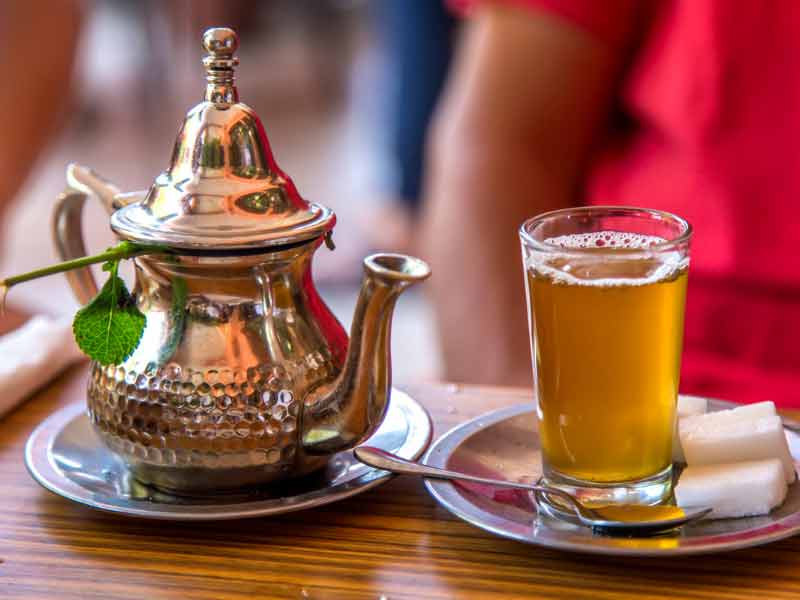
One of the best ways to experience a destination is by sharing a meal with the people who call it home. Across the African countries, hospitality is deeply valued in many communities, and food often plays an important role in bringing families, friends and guests together. However, there is no single set of dining customs across the continent. Etiquette varies not only between countries, but also between regions, cultures, religions and individual households.
Rather than trying to memorise a list of rules, visitors are usually best served by approaching each meal with curiosity and respect. If you’re unsure about local customs, observing your host or asking polite questions is almost always appreciated.
In many Muslim communities, including parts of North Africa, it is common for people to say Bismillah (“In the name of God”) before eating and Alhamdulillah (“Praise be to God”) after a meal. These expressions reflect Islamic practice rather than regional identity, and visitors are not expected to participate unless they wish to.
In some cultures, meals are shared from a communal platter, while in others everyone has their own plate. Where food is traditionally eaten by hand, such as with injera in Ethiopia and Eritrea, or with dishes across parts of West, East and North Africa, and it is customary to use the right hand, as the left hand has traditionally been reserved for other purposes in many cultures.
You may also find that hosts encourage guests to take second helpings or continue offering food throughout a meal. In many households, this is simply an expression of generosity and welcome rather than an expectation that you must keep eating. A warm thank you and a polite explanation if you’re full are generally well understood.
Above all, the most meaningful dining experiences come from recognising that every table reflects its own history, traditions and family customs. Showing genuine interest, accepting hospitality graciously and remaining open to learning will often leave a more lasting impression than getting every point of etiquette exactly right.
Why Local Markets and Street Food Are at the Heart of Africa’s Culinary Culture

Across Africa, markets are far more than places to buy food. They are social spaces where neighbours gather, families shop for daily ingredients, and recipes, traditions and stories are passed from one generation to the next. For travellers, they offer an opportunity to experience everyday life in a way that restaurants alone often cannot.
No two markets are alike. In Cairo, the lively streets around neighbourhood bakeries and markets are filled with the aromas of freshly baked bread, ta’ameya (Egyptian falafel), spices and sweet pastries. In Marrakech, historic souks overflow with saffron, preserved lemons, olives and dried fruits, while nearby food stalls serve steaming tagines, grilled meats and freshly squeezed orange juice. Along the waterfront in Stone Town, Zanzibar, evening food markets come alive with seafood grilled to order, Zanzibar pizza, sugarcane juice and dishes scented with locally grown spices.
Further west, Lagos is known for its energetic street-food culture, where vendors prepare smoky suya, roasted plantains, puff-puff and pepper soup late into the evening. In Accra, bustling neighbourhood markets and chop bars showcase Ghanaian favourites such as waakye, grilled tilapia and fresh tropical produce, while Dakar’s markets reflect Senegal’s coastal heritage with fresh fish, seasonal vegetables and ingredients used in beloved dishes like thieboudienne.
These markets are also windows into local agriculture and regional food traditions. Seasonal fruits, indigenous grains, fresh herbs and locally produced spices reveal how geography, climate and history shape what appears on the table. Many traders have sold the same products for decades, with family businesses passing knowledge and culinary traditions from one generation to the next.
It doesn’t matter if you’re stopping for breakfast from a neighbourhood bakery, sharing street food with locals after sunset or wandering through a spice market, these experiences offer more than memorable flavours. They provide a deeper appreciation of the people, traditions and communities that make each destination unique—one meal, one conversation and one market at a time.
Like it? Pin it!

Disclaimer: Some of the links on this website are “affiliate links.” This means that if you click on the link and do a purchase, I will receive an affiliate commission at no extra cost for you. This helps me keep my website running and continue to share my travelling knowledge with you. I thank you for booking your flights or hotels using the links on my website. Regardless, I only recommend products or services I use personally and believe will add value to my readers.