
An Amazon river cruise offers a different way to explore the world’s largest rainforest. Instead of spending most of the trip at sea, passengers travel along the river and its tributaries, taking smaller boats into areas where wildlife can often be spotted along the banks and in the trees. Birds such as the hoatzin are among the species visitors may encounter.
Days usually start early, with guided excursions by skiff, walks through the rainforest and opportunities to learn about the region’s wildlife and local communities. The experience is quite different from a traditional ocean cruise, with more time spent exploring the surroundings than enjoying activities on board. For anyone considering a trip, here’s what to expect, how to choose a route and what to pack.
What Makes Cruising the Amazon Different From Any Ocean Voyage
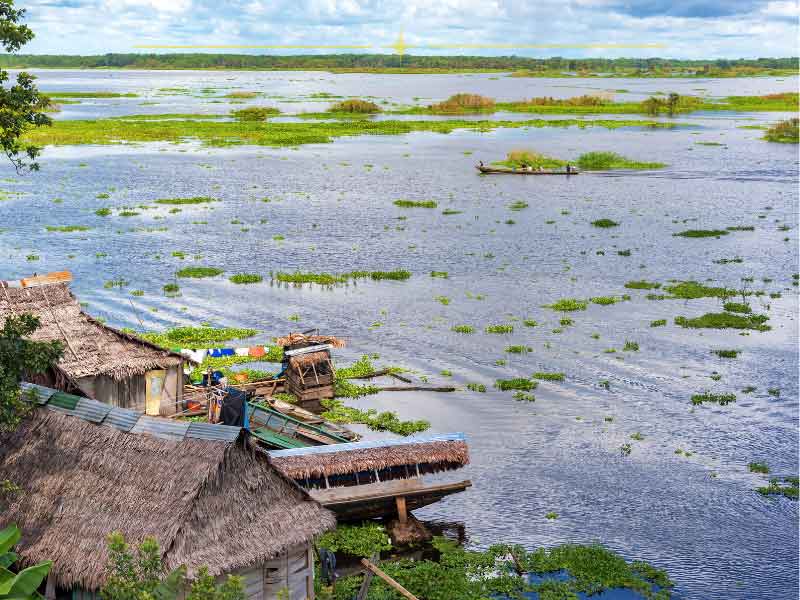
The scale of the Amazon basin is difficult to grasp. It stretches across nine countries in South America, covering an area comparable to that of the continental United States. In some parts of the river, the waterway is so wide that the opposite bank is barely visible. Further into the Peruvian Amazon, the waterways become narrower, with dense rainforest growing close to the riverbanks.
These differences in the landscape shape the experience of an Amazon river cruise. Rather than following a fixed itinerary between large ports, expedition vessels navigate the river and its tributaries, often travelling overnight before stopping for excursions during the day. Passengers typically explore smaller waterways in skiffs or kayaks, accompanied by guides who help them spot wildlife and explain the surrounding ecosystem.
The Amazon is one of the most biodiverse regions on Earth. According to the World Wildlife Fund, the Amazon is home to around 10% of all known species. Depending on the route and time of year, visitors may have opportunities to spot monkeys, sloths, caimans and a wide variety of birds, although wildlife sightings can never be guaranteed.
Wildlife You’ll Actually See (And a Few Things You Won’t)

Wildlife watching is one of the main reasons people visit the Amazon, but it is worth keeping expectations realistic. Spotting a jaguar is possible in some areas, but sightings are rare and there is no guarantee of seeing one. Instead, the experience is often about the variety of species found along the river and in the surrounding rainforest.
Pink river dolphins are among the best-known animals in the Amazon and can sometimes be seen surfacing near boats. Sloths may be spotted resting in trees along the riverbanks, while caimans are easier to look for on night excursions, when guides use torches to locate their reflective eyes. Spider monkeys, macaws, hoatzins and river turtles are among the other species visitors may encounter. Anacondas also live in the region, although seeing one in the wild is far from guaranteed.
The sounds of the rainforest are another part of the experience. After dark, frogs, insects and howler monkeys can be heard across the forest, creating a constant background of calls and movement. For visitors staying in remote lodges or on smaller expedition vessels, these sounds can be particularly noticeable at night. It is an important reminder that the rainforest remains active long after the day’s excursions have finished.
Ocean Cruise vs. Amazon River Cruise: An Honest Comparison
| Factor | Ocean Cruise | Amazon River Expedition |
| Ship size | Thousands of passengers | 16 to 32 guests |
| Daily rhythm | Sea days plus port calls | Two excursions per day |
| Wildlife | Occasional dolphins, seabirds | Dense, close-range, daily |
| Wi-Fi | Usually solid | Slow to nonexistent |
| Dress code | Formal nights | Quick-dry everything |
| Downtime | Shows, casinos, pools | Plunge pool, spa, quiet decks |
If you need neon and nightlife, book the Caribbean instead. But if your favourite travel memory involves fog on a river at sunrise and no one else awake, this is your trip.
How to Choose Your Route and Season

Iquitos in Peru is one of the main starting points for Amazon river cruises, with a range of itineraries exploring the surrounding rainforest and the waterways of the Pacaya-Samiria National Reserve. Trips typically last between three and seven nights, depending on the operator, route and type of vessel.
One of the most important factors to consider when planning a trip is the season. Water levels in the Peruvian Amazon change significantly throughout the year, affecting which areas boats can reach and the types of activities available.
High water generally runs from December to May, when heavy rainfall causes the river to rise and flood parts of the surrounding forest. This allows boats to navigate smaller channels and reach areas that may be inaccessible during other months. Wildlife watching takes place from the water, with opportunities to explore flooded forests by skiff or kayak.
Low water usually occurs between June and November. As the river recedes, sandbanks and beaches emerge, and animals may become easier to spot along exposed riverbanks. The changing conditions can also create different opportunities for fishing, birdwatching and exploring the landscape on foot.
Neither season is necessarily better for every traveller. The best time to visit depends on the activities that interest you and the areas you want to explore. Before booking, check the operator’s itinerary and ask how seasonal water levels affect its excursions.
Temperatures in the Peruvian Amazon remain warm throughout the year, often reaching the high 80s Fahrenheit (around 30°C), with high humidity and the possibility of rain in any month. Seasonal rainfall also influences the wider ecosystem, including fish movements and the distribution of wildlife. NASA’s Earth science research provides information about the Amazon basin and its changing environment, although practical details about river conditions are best confirmed with your cruise operator closer to departure.
Practical Tips for an Amazon River Cruise
Wildlife watching in the Amazon often involves moving quickly between looking, listening and taking photographs. A few simple habits can make excursions more enjoyable, particularly when several passengers are trying to spot the same animal.
When travelling with someone else, it can help to take turns using binoculars and photographing wildlife. This avoids having to share equipment while an animal is in view and gives both travellers a better chance to enjoy the sighting. Keeping a small wildlife journal is another useful idea. Making notes during the day, including the names of species identified by the guide, can help visitors remember what they saw once the trip is over.
What to Pack for an Amazon River Cruise
Cruise operators usually provide their own packing lists, as requirements can vary depending on the vessel, itinerary and planned excursions. However, there are several items worth prioritising for a trip to the rainforest.
Quick-drying trousers are a practical choice for excursions, as clothes can become damp from rain, humidity and boat spray. Jeans are generally less comfortable in these conditions because they take longer to dry. Lightweight, breathable clothing, a wide-brimmed hat and a waterproof jacket are also useful. An umbrella is less practical on small boats and narrow forest trails.
Binoculars can make a significant difference when watching wildlife in the trees or across the river. Ideally, each traveller should have their own pair, particularly on excursions where there may be limited time to observe an animal. Neutral-coloured clothing is commonly recommended for wildlife watching, while a headlamp can be useful for moving around safely in low light. Check with the operator before using any lights during night excursions, as guides may have specific instructions to minimise disturbance to wildlife.
A power bank, spare camera batteries and waterproof bags for electronics are also worth considering. Drones should be left at home unless the operator confirms that their use is permitted. Restrictions may apply in protected areas and Indigenous territories, and permission from the relevant authorities or communities may be required.
Iquitos is a major departure point for Amazon expeditions, with operators offering Amazon cruise ships of different sizes and levels of comfort.
Before paying a deposit, read the itinerary and packing information carefully. Check which excursions are included, whether any activities require a particular level of fitness, and what equipment the operator provides. It is also worth checking the cabin arrangements, meal options and any additional charges.
Amazon cruises attract a range of travellers, from couples and honeymooners to solo visitors and older passengers. The atmosphere and dress code depend on the vessel, but comfortable clothing is generally more useful than formal outfits, particularly when much of the day is spent exploring the rainforest.
Responsible Travel on the Amazon River

Tourism in the Amazon comes with an important responsibility. The region faces ongoing environmental pressures, including deforestation, habitat loss and changes to its waterways. Choosing an operator that takes conservation and community partnerships seriously can help travellers make more informed decisions about where their money goes.
Look for companies that employ local guides, work with riverside communities and explain how their excursions support conservation or local livelihoods. Ask specific questions about these arrangements rather than relying solely on general sustainability claims.
Visits to local and Indigenous communities should also be approached with care. Travellers should follow their guide’s instructions, ask permission before taking photographs of people and respect any restrictions on where visitors can go. Customs and expectations vary between communities, so it is best to follow local guidance rather than assume the same rules apply everywhere.
Responsible travel also means minimising waste, avoiding single-use plastics where possible and never feeding or touching wild animals. Wildlife sightings should take place at a respectful distance, without encouraging guides or boat operators to disturb animals for photographs.
An Amazon river cruise offers the opportunity to learn about a complex ecosystem and the people who live within it. Taking time to understand the region, listening to local guides and choosing excursions carefully can make the experience more rewarding while helping visitors appreciate why protecting the rainforest matters.
Is an Amazon River Cruise Worth It?
An Amazon river cruise can be a good choice for travellers interested in wildlife, rainforest ecosystems and exploring remote parts of South America. The experience is different from a conventional ocean cruise, with much of the focus on guided excursions, smaller waterways and the natural environment.
The itinerary, season and size of the vessel all influence what a trip involves. Travellers who want more opportunities to explore may prefer a longer itinerary, while those with limited time can consider a shorter cruise. It is worth comparing routes and excursions before booking, as the wildlife and landscapes encountered can vary considerably between regions.
Ultimately, an Amazon expedition requires some flexibility. Wildlife sightings are unpredictable, the weather can change quickly, and high or low water levels can affect access to certain areas. Travellers who understand these limitations and choose an itinerary that suits their interests are more likely to get the most out of the experience.
Like it? Pin it!
Disclaimer: Some of the links on this website are “affiliate links.” This means that if you click on the link and do a purchase, I will receive an affiliate commission at no extra cost for you. This helps me keep my website running and continue to share my travelling knowledge with you. I thank you for booking your flights or hotels using the links on my website. Regardless, I only recommend products or services I use personally and believe will add value to my readers.


