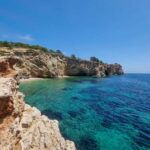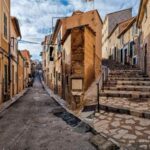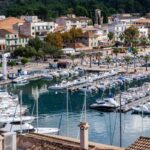
A couple of years ago, I spent two weeks exploring Mallorca in December. I had visited the island before in summer, so I thought I knew what to expect. But experiencing Mallorca off season turned out to be a completely different and honestly fantastic experience.
Without the peak summer crowds, the island was calmer, more authentic, and much easier to explore. Because let’s face it, when you think on Mallorca, the summer crowds and the overcrowded and loud seaside resorts come into mind. But not in winter. This time I had time to wander through historic towns, hike along dramatic coastal trails, and discover hidden calas that in summer are packed with visitors, without anyone else around. Some days I would drive through the countryside and barely see another tourist, stopping wherever something caught my eye.
The cooler temperatures also made exploring much more enjoyable. Instead of rushing from shade to shade like you often do during the hot summer months, I could spend hours walking around villages, visiting markets, or hiking in the mountains without feeling exhausted from the heat. Even when it rained occasionally, it didn’t feel like I was wasting any time.
Mallorca off season has a charm that’s hard to describe until you experience it yourself. The landscapes are just as beautiful, the food is just as delicious, and the cultural life of the island is still very much alive. If you’re considering visiting Mallorca outside the busy summer months, here are my top travel tips based on my own experience exploring the island during the quieter season.
My Top Tips for Visiting Mallorca During the Low Season
1. Hire a Car

Whilst public transport is still reliable across Mallorca during winter, I genuinely believe hiring a car makes all the difference in the low season. Buses run less frequently, some routes are reduced, and many of the island’s most beautiful corners are simply easier to reach on your own schedule. Having a car gave me complete freedom with no timetables, no rushing back to catch the last bus, and no limiting myself to the more “popular” areas.
Because I had a car, I discovered places I probably wouldn’t have otherwise visited.
One of my favourite off-season experiences was driving down to the salt flats of Ses Salines. This area in the south of the island is known for its traditional salt production, where sea water is channelled into shallow lagoons and left to evaporate under the Mediterranean sun. In summer, it’s popular with visitors heading to nearby beaches like Es Trenc. In winter though? It felt completely untouched. I walked along the coastline with hardly another person in sight feeling like I had the entire beach to myself.
Another unexpected gem was Capdepera Castle. I actually spotted it from the road while driving through the northeast of the island and decided to stop on a whim, something I simply couldn’t have done without a car. The 14th-century fortress sits dramatically above the town, originally built to defend the island from pirate attacks. Walking along the ancient walls with panoramic views stretching all the way to Menorca was incredible. Even better? I was the only tourist there. When I showed up at the ticket booth the lady selling tickets seemed very surprised.
An added bonus of travelling in the low season is that many car parks which normally charge in peak months are either free or much cheaper. Finding a parking space in a popular location? I had the entire car park just for my car! That alone makes exploring stress-free and far more budget-friendly.
For me, hiring a car in Mallorca completely transformed the trip.
2. Accommodation Is Much Cheaper Than in High Season

One of the biggest advantages of visiting Mallorca in the low season is just how much more affordable accommodation becomes.
During my winter trip, I booked an incredible farmhouse apartment perched on top of a hill, overlooking the sea. It was peaceful, surrounded by nature, had a resident donkey, an infinity pool, and offered wide-open Mediterranean views you usually only see in postcards. The best part? I paid a fraction of what the same place would cost in July or August.
If you’re looking at apartments in Majorca during the off-season, you’ll quickly notice how much better value you get. Properties that would normally be booked out months in advance suddenly become accessible and often at significantly reduced rates. It also means you can be a little more selective and choose somewhere with character, space, and views rather than just what’s available.
Areas like Can Picafort, for example, are fantastic bases outside of peak summer.
Another benefit of choosing an apartment during the low season is the added flexibility. Having your own space, kitchen, and living area makes the trip feel slower and more immersive. Keep in mind that in more rural areas, a lot of restaurants do close down for the winter. If you book a holiday apartment you can self-cater and cook with fresh local ingredients, enjoy relaxed breakfasts with a sea view, and truly settle into island life.
3. The Weather

One of the biggest misconceptions about visiting Mallorca in the low season is that the weather is “bad.” In reality, it’s often still very pleasant.
During winter, you can expect daytime temperatures to hover between 12–18°C, with plenty of bright, crisp days. Spring warms up quickly, especially from March onwards, when temperatures start climbing into the high teens and low twenties. It’s perfect weather for hiking, sightseeing, and exploring without feeling exhausted from the heat.
Yes, I did have a few rainy days. But it wasn’t dramatic or disruptive. It would rain lightly for a while, stop, the sun would come out again, and then maybe another short shower would pass through later. It was nothing like the constant grey downpour we often get in England. You know, like this year, when it rained without fail on every single day so far! Mallorca in winter was nothing like that.
The cooler temperatures made exploring so much more enjoyable. When I visited Mallorca before, in summer, it was way too hot.
4. The Most Beautiful Calas All to Yourself

One of the highlights of visiting Mallorca in winter is having some of its most famous calas almost entirely to yourself.
In summer, places like Cala Pi are packed with sunbeds, swimmers, and boats anchored just offshore. Cala Pi is a tiny, sheltered cove framed by steep limestone cliffs, with a narrow strip of golden sand at the bottom and turquoise water that looks almost unreal. In winter, the sea is still that beautiful shade of blue, but instead of crowds, you’ll likely hear nothing but the wind and the waves gently hitting the shore.
The same goes for Cala Figuera. Unlike many calas, Cala Figuera is actually a traditional fishing village rather than a beach resort. Its fjord-like inlets cut into the coastline, lined with whitewashed fishermen’s houses and small wooden boats. In high season it attracts photographers and visitors throughout the day, but in winter it’ feels wonderfully local and authentic, like you’re seeing the island as it truly it is deserted.
One of my personal favourites was S’Amarador, located within the Mondragó Natural Park. In summer, it’s considered one of the most beautiful beaches on the island, famous for its powdery white sand and crystal-clear water. When I visited in December, it was completely empty. No umbrellas, no music, no queues for parking, just untouched sand and that incredible colour contrast between the pine trees and the sea.
5. Hiking in the Serra de Tramuntana Is Pretty Amazing

If there’s one thing I highly recommend doing when visiting Mallorca in the low season, it’s hiking in the Serra de Tramuntana.
This dramatic mountain range runs along the island’s northwest coast and is a UNESCO World Heritage Site thanks to its cultural landscape. Think dry-stone terraces, ancient olive groves, cliffside villages and winding coastal paths. It’s one of the most spectacular parts of Mallorca, yet many visitors barely scratch the surface of it during the summer months.
My first experience with Serra de Tramuntana wasn’t the best to be honest. On my first trip to Mallorca I decided to take the bus to Sa Calobra, which don’t get my wrong, is incredible. However, the one hour on the bus, on windy hairpin roads that felt too sharp for a small car, was adrenaline inducing. I swore I won’t go there again… until I returned to Mallorca and did it by myself, driving. A completely different experience!
One of my favourite hikes in Serra de Tramuntana was the route between Valldemossa and Deià. The trail offers breathtaking sea views, rugged cliffs, and that raw Mediterranean beauty that makes you stop every five minutes just to look around. On a sunny winter day, it’s absolutely perfect.
In summer, I honestly think some of these trails would be unbearable. Many sections are fully exposed, with very little shade. Hiking under intense Mediterranean heat, especially on rocky terrain, can quickly become exhausting and even dangerous if you’re not properly prepared.
6. The Local Produce in the Weekly Markets

One of the things I love most about visiting Mallorca in the low season is experiencing its authentic market culture.
Almost every town on the island has its own weekly market day. One day it might be in Sineu, another in Alcúdia, another in Santanyí. Locals know exactly which town hosts which market and plan their week around it. Visiting these markets gives you a glimpse into real island life because they are the places where locals buy their fruit, vegetables, cheese, olives, and fresh bread.
Spain has a strong fresh market culture in general, and Mallorca is no exception. Seasonal produce dominates the stalls: bright oranges and lemons in winter, artichokes, tomatoes bursting with flavour, locally grown almonds, and olives in every variation imaginable. You’ll also find sobrassada hanging from hooks, local cheeses, fresh fish, and plenty of homemade pastries.
7. Local Winter Festivals in Palma de Mallorca

Many people don’t realise that winter is actually festival season in Palma de Mallorca.
One of the biggest celebrations is the Festes de Sant Sebastià in January, honouring the city’s patron saint. The streets fill with live music, bonfires, food stalls, and locals gathering to grill meat and celebrate together. It is so community-focused because it is not something staged for tourists, it’s the actual local tradition.
When I visited, I was lucky enough to take part in TaPalma, the city’s annual tapas festival. For several days, restaurants across Palma create a special tapa offered at a small fixed price, and there’s a friendly competition to crown the best tapas in the city. It’s basically a city-wide food crawl, and it’s brilliant.
You move from one restaurant to another, sampling creative small plates which can vary from traditional recipes with a twist to completely modern interpretations.
What I loved most was the vibrant atmosphere of the groups of friends just moving from one place to another.
Ending Notes
If you’re thinking about Mallorca in the low season, my advice is simple: embrace the quieter months. You’ll discover a side of the island that most tourists never see. It’s a completely different experience from summer, and one that I can’t recommend enough.
For more articles about travelling to Mallorca, check out my recommendations below:
Like it? Pin it!

Disclaimer: Some of the links on this website are “affiliate links.” This means that if you click on the link and do a purchase, I will receive an affiliate commission at no extra cost for you. This helps me keep my website running and continue to share my travelling knowledge with you. I thank you for booking your flights or hotels using the links on my website. Regardless, I only recommend products or services I use personally and believe will add value to my readers.